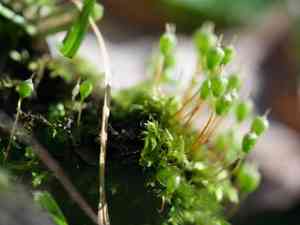
Common goblet moss (Physcomitrium pyriforme)
Also known as: Urn Moss
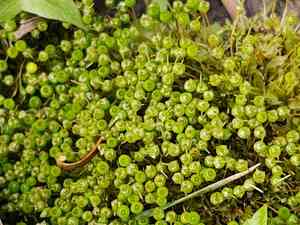
Common goblet moss (Physcomitrium pyriforme) is notable for its small, pear-shaped capsules, which appear glossy when wet. This moss thrives in damp, shaded environments such as forest floors and alongside streams. It often forms dense clumps or mats, attaching firmly to soil and rocks. Its unique structure not only aids in its spread but also creates valuable microhabitats for small organisms.
In This Article
Attributes of Common goblet moss
Lifespan
Annual
Plant Type
Moss
Plant Height
1.5 cm
Spread
Not applicable
Leaf Color
Green
Flower Size
Does not produce flowers
Flower Color
Not applicable
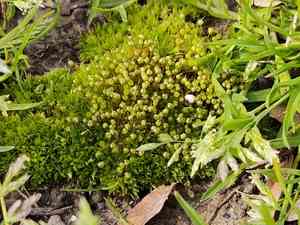
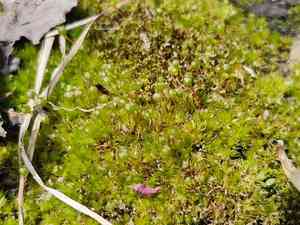
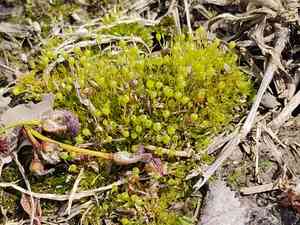
Images of Common goblet moss
Quickly Identify Common goblet moss
1
Physcomitrium pyriforme can be identified by its small, green, and leafy appearance. The most distinctive feature is its urn-shaped sporophytes that rise on slender stalks. Look for the pear-shaped capsules that have a lid which opens to release spores.
Scientific Classification of Common goblet moss
Phylum
Mosses
Class
True mosses
Order
Funariales
Family
Funariaceae
Genus
Urn moss
Species
Common goblet moss
Planting and Growing of Common goblet moss
Care Difficulty
Easy
Watering Schedule
Every 3 days
Sunlight Requirements
Partial sun
Sunshine Duration
4-8 hours
Ideal Temperature
60-75℉
Soil Type
Potting Mix, Peat Mix
Soil pH
5.5-7
Fertilizer Type
Balanced
Pruning Season
Spring, Summer
Pruning Area
Branches, Leaves
Pruning Frequency
2 times a year
Repotting Season
Spring
Pot Type
Plastic, Ceramic
 How to Water Common goblet moss?
Physcomitrium pyriforme, being a moss, requires a delicate balance of moisture. Aim for around 50 milliliters of water each time, ensuring the substrate is thoroughly moist but not waterlogged. Avoid standing water by letting the moss drain properly after watering.
What are the symptoms of an underwatered Common goblet moss?
›
What should I do if my Common goblet moss is not getting enough water?
›
What are the symptoms of an overwatered Common goblet moss?
›
How to save an overwatered Common goblet moss?
›
 What Are the Sunlight Requirements for Common goblet moss?
Physcomitrium pyriforme is best suited for partial sun to full shade conditions. Ensuring these conditions facilitates robust growth and prevents stress-related issues, thereby enhancing photosynthetic efficiency.
Optimal Time for Sunlight Exposure
›
Protection from Direct Sunlight
›
Consistent Light Environments
›
 What Is the Ideal Temperature Range for Common goblet moss?
The ideal temperature range for growing Physcomitrium pyriforme is between 60°F and 75°F. This range provides optimal conditions for photosynthesis and overall plant health, ensuring robust growth. Maintaining this temperature range helps in achieving maximum productivity and vitality.
 What Soil is Best for Common goblet moss?
Physcomitrium pyriforme thrives in soil that can effectively retain moisture without being waterlogged. This is beneficial because it ensures the moss remains hydrated, supporting its lush and vibrant growth. Soil rich in organic materials is ideal as it provides essential nutrients. This is critical for the moss’s health as it relies on the slow release of nutrients from decomposing organic matter. Adequate soil aeration allows roots to breathe and prevents root rot. The moss benefits from aerated soil as it enhances water drainage and facilitates the exchange of gases required for metabolic processes.
 How to Fertilize Common goblet moss?
Physcomitrium pyriforme, commonly known as the pear-shaped moss, thrives best with careful fertilization. For liquid fertilizers, use a dilution of 1/4 strength of a balanced 10-10-10 NPK fertilizer to provide consistent nutrients without overwhelming the plant. For slow-release fertilizers, one should apply approximately 1/2 teaspoon per square foot annually, ensuring the nutrients are slowly absorbed into the moss's environment.
 How to Prune Common goblet moss?
For Physcomitrium pyriforme, often known as the pear-shaped moss, pruning involves delicately trimming around the edges using small scissors. Carefully snip any dried or discolored parts to promote healthy growth and maintain its aesthetic appearance.
 How to Propagate Common goblet moss plant?
1
Fill the seed tray with a light, well-draining soil mix. Ensure the tray has drainage holes to prevent waterlogging, which can rot the seeds. Level the soil and moisten it evenly to provide an ideal environment for germination.
2
Scatter the seeds evenly over the soil surface or place them individually if they are large enough to handle. Do not cover them deeply with soil, as Physcomitrium pyriforme seeds often require light for germination.
3
Mist the surface gently with water to avoid dislodging the seeds. Cover the tray with a transparent lid or plastic to retain moisture and heat. Place in a well-lit, warm location to encourage germination.
 How to Repot Common goblet moss plant?
1
Look for signs like slower growth, roots growing out of drainage holes, or compacted soil in the pot. These are clear indications that your Physcomitrium pyriforme needs more room or a refresh of soil nutrients. Spring is the perfect season for repotting because actively growing plants can recover faster from the process.
2
Select a pot that is slightly larger than the current one, ensuring it has proper drainage holes. A right-sized pot prevents excessive soil retention, reducing the risk of root rot. The material of the pot, such as terra cotta, can also help regulate soil moisture levels effectively, keeping your plant healthy.
3
Opt for a loose, well-draining peat-based soil. This type of soil mimics the plant's natural environment, providing essential aeration and moisture retention without suffocating the roots. Such a medium supports healthy growth by preventing waterlogged conditions and promoting efficient nutrient uptake.

