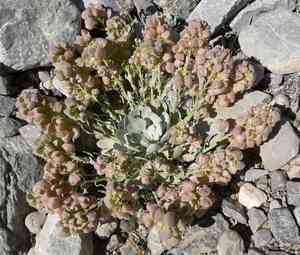
Chambers' twinpod (Physaria chambersii)
Also known as: none
Chambers' twinpod (Physaria chambersii), a striking yellow-flowered plant, brightens Utah's scenery during its bloom in spring and early summer. This species is distinct due to its preference for calcareous soils on rocky outcrops and semi-desert slopes. Not overly invasive, it supports ecological balance by offering nectar and pollen to native bees and other pollinators. Additionally, its resilient roots help stabilize soil in erosion-prone areas, contributing to the overall health of its native habitat. Its presence signifies well-preserved ecosystems and enhances local biodiversity.
In This Article
Attributes of Chambers' twinpod
Lifespan
Perennial
Plant Type
Herb
Plant Height
10-30 cm
Spread
variable, typically compact
Leaf Color
Silvery green
Flower Size
1-2 cm
Flower Color
Yellow
Images of Chambers' twinpod
Quickly Identify Chambers' twinpod
1
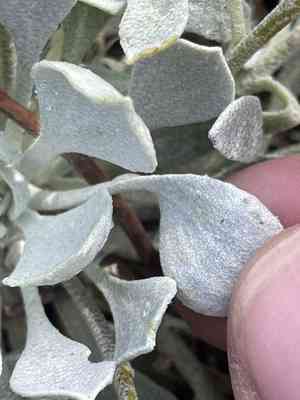
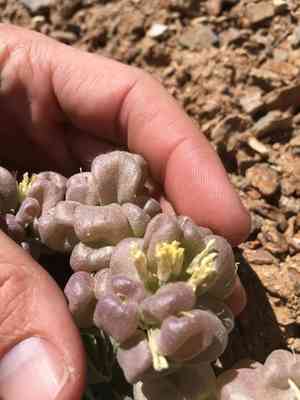
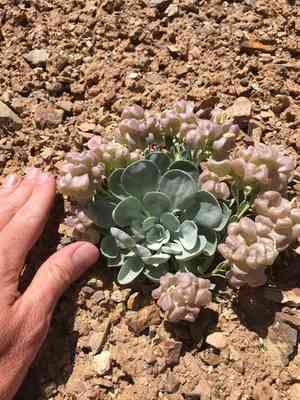
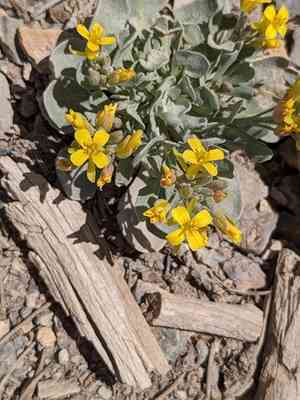
Physaria chambersii can be identified by its silvery, hairy leaves, yellow flowers, and inflated seed pods. It typically forms rosettes close to the ground.
Scientific Classification of Chambers' twinpod
Phylum
Vascular plants
Class
Dicotyledons
Order
Brassicales
Family
Cruciferae
Genus
Physaria
Species
Chambers' twinpod
Planting and Growing of Chambers' twinpod
Care Difficulty
Moderate
Watering Schedule
Every 2 days
Sunlight Requirements
Full sun
Sunshine Duration
4-8 hours
Ideal Temperature
60-75℉
Soil Type
Potting Mix, Peat Mix
Soil pH
6.5-7.5
Fertilizer Type
Balanced
Pruning Season
Spring, Summer
Pruning Area
Branches, Leaves
Pruning Frequency
2 times a year
Repotting Season
Spring
Pot Type
Plastic, Ceramic
 How to Water Chambers' twinpod?
When watering Physaria chambersii, it's important to mimic the plant's natural environment by ensuring the soil is moist but not waterlogged. Water thoroughly until you see a little runoff from the drainage holes, indicating the roots have been reached. Typically, about 250 ml of water should suffice depending on the pot size and soil mixture.
What are the symptoms of an underwatered Chambers' twinpod?
›
What should I do if my Chambers' twinpod is not getting enough water?
›
What are the symptoms of an overwatered Chambers' twinpod?
›
How to save an overwatered Chambers' twinpod?
›
 What Are the Sunlight Requirements for Chambers' twinpod?
Physaria chambersii thrives in full sun exposure, benefiting from environments that mimic its rocky natural setting. Ideal sunlight supports photosynthesis, leading to vigorous growth and prolific blooming.
Why does Physaria chambersii prefer full sun?
›
How can you ensure optimal sunlight exposure for Physaria chambersii?
›
What happens when Physaria chambersii receives ideal sunlight?
›
 What Is the Ideal Temperature Range for Chambers' twinpod?
The ideal temperature range for Physaria chambersii is between 60°F to 75°F. This range is optimal for the growth and development of the plant, promoting healthy foliage and root systems. Maintaining this temperature range ensures that the plant's metabolic processes function efficiently, leading to robust health and flowering.
 What Soil is Best for Chambers' twinpod?
Physaria chambersii thrives in well-drained soils as this prevents waterlogging, which can lead to root rot. Well-drained soil ensures roots get sufficient oxygen, promoting healthier growth and vibrant foliage. It prefers soils with moderate fertility as overly rich soils may promote excessive foliage growth at the expense of flowers. Maintaining moderate fertility ensures a balanced growth pattern, supporting both vegetative and reproductive stages effectively. This plant can tolerate slightly alkaline conditions, which helps in the absorption of essential nutrients like calcium and magnesium. Such conditions promote robust plant health and enhance flowering potential.
 How to Fertilize Chambers' twinpod?
For Physaria chambersii, the amount of fertilizer applied should be modest. Liquid fertilizer should be diluted to half the recommended strength before application to avoid root burn. When using slow-release fertilizers, apply only a small handful around the base of the plant to provide a steady nutrient supply.
 How to Prune Chambers' twinpod?
Prune Physaria chambersii early in the morning when temperatures are cooler and plant stress is minimized. Trim back any overgrown areas to maintain the plant's natural shape and improve air circulation for better health. Avoid cutting back more than one-third of the plant at once to prevent shock and reduce the risk of harming the plant's growth cycle.
More About Pruning Techniques→
 How to Propagate Chambers' twinpod plant?
1
Collect Physaria chambersii seeds from mature plants in late spring. Allow them to dry completely before storing them in a cool, dry place. This step ensures seed viability and success in germination.
2
Spread the seeds evenly over moistened seed trays in early spring. Cover lightly with soil and maintain a warm environment. Regularly mist the soil to keep it moist but avoid waterlogging.
3
During early summer, snip healthy, non-flowering stems of about 4-6 inches. Remove the lower leaves, dip their ends in rooting hormone, and plant them in a sterile substrate.
 How to Repot Chambers' twinpod plant?
1
Repot your Physaria chambersii when you observe roots growing out of the drainage holes or if the plant becomes root-bound. Another sign is the slower growth despite adequate care. The ideal time for repotting is during the growing season, as the plant can recover quickly.
2
Select a pot that's about an inch or two larger in diameter than the current one. Ensure it has sufficient drainage holes to prevent water from pooling, which can cause root rot. This helps in maintaining optimal root health and supports better growth.
3
Opt for a well-draining sandy soil mix, similar to cactus or succulent soil. This type of soil ensures that water doesn't remain stagnant, which is crucial for preventing root rot and encouraging robust growth. The gritty texture replicates the plant's natural habitat.



