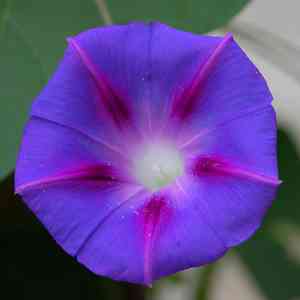
Walter's groundcherry (Physalis walteri)
Also known as: Sandhill Groundcherry, Walt's Groundcherry
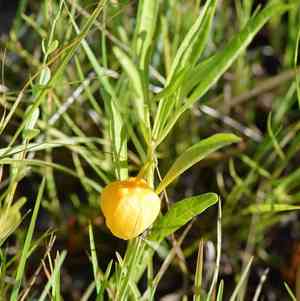
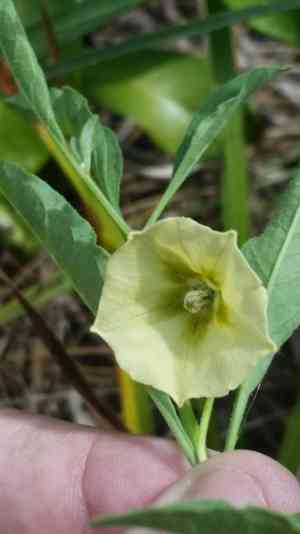
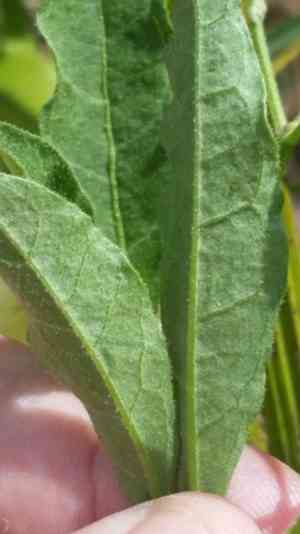
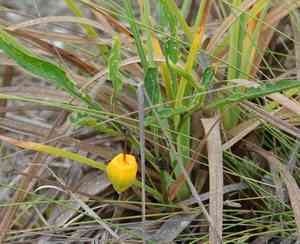
Walter's groundcherry (Physalis walteri) is a notable perennial herb recognized for its unique, lantern-like papery husks that envelop the small, edible fruits. These husks, which expand as the fruit ripens, are a primary identification characteristic. The plant flourishes in well-drained soils, commonly found in woodlands and coastal dunes. Its deep root system is well-adapted to sandy, nutrient-deficient environments, aiding in its survival. The flowers are bell-shaped and yellow, often with a hint of purple at the center, and the leaves are lance-shaped to ovate with a slightly wavy and hairy texture.
In This Article
Attributes of Walter's groundcherry
Lifespan
Perennial
Plant Type
Herb
Plant Height
0 mm to 91 cm
Spread
0.3 to 0.5 meters
Leaf Color
Green
Flower Size
1 to 2 cm
Flower Color
Yellow
Images of Walter's groundcherry
Quickly Identify Walter's groundcherry
1
Physalis walteri can be identified by its small yellow flowers, heart-shaped leaves, and the papery husk surrounding its fruit. The leaves are slightly hairy and the plant tends to grow low to the ground.
Scientific Classification of Walter's groundcherry
Phylum
Vascular plants
Class
Dicotyledons
Order
Solanales
Family
Nightshade
Genus
Physalis
Species
Walter's groundcherry
Planting and Growing of Walter's groundcherry
Care Difficulty
Moderate
Watering Schedule
Every 4 days
Sunlight Requirements
Full sun
Sunshine Duration
4-8 hours
Ideal Temperature
65-80℉
Soil Type
Potting Mix, Peat Mix
Soil pH
6.5-7.5
Fertilizer Type
Balanced
Pruning Season
Spring, Summer
Pruning Area
Branches, Leaves
Pruning Frequency
2 times a year
Repotting Season
Spring
Pot Type
Plastic, Ceramic
 How to Water Walter's groundcherry?
For Physalis walteri, it's important to provide just enough water to keep the soil consistently moist but not waterlogged. Aim for approximately 250 milliliters per watering session, ensuring the moisture reaches the root zone without oversaturating. This plant thrives best when the watering mimics natural rainfall cycles, ensuring nutrients are effectively transported throughout the plant without drowning the roots.
What are the symptoms of an underwatered Walter's groundcherry?
›
What should I do if my Walter's groundcherry is not getting enough water?
›
What are the symptoms of an overwatered Walter's groundcherry?
›
How to save an overwatered Walter's groundcherry?
›
 What Are the Sunlight Requirements for Walter's groundcherry?
Partial to full sunlight is vital, providing essential energy for photosynthesis and ensuring healthy, prolific growth and fruiting.
How much sunlight does Physalis walteri need?
›
How to achieve ideal lighting?
›
What happens under ideal lighting?
›
 What Is the Ideal Temperature Range for Walter's groundcherry?
Physalis walteri thrives best in a temperature range between 65°F and 80°F. This range facilitates optimal growth and fruit production by providing consistent warmth that enhances physiological processes such as photosynthesis and nutrient absorption.
 What Soil is Best for Walter's groundcherry?
Physalis walteri thrives in well-drained soil that prevents root rot by allowing excess water to escape quickly. Ensuring proper drainage is crucial for maintaining healthy roots and promoting vigorous growth. The plant does best in soil with moderate fertility. Excessive nutrients might result in lush foliage with few flowers, so mild fertilization can help strike a balance, enhancing blooms. Sandy loam provides an ideal substrate for Physalis walteri as it retains some moisture while still offering excellent drainage. This balance supports consistent growth and resilience against drought conditions.
 How to Fertilize Walter's groundcherry?
For Physalis walteri, start with a balanced 10-10-10 fertilizer at half-strength. Use approximately 1 teaspoon per gallon of water for liquid formulations. For solid, apply 1 to 2 tablespoons per plant annually. Adjust based on plant response.
 How to Prune Walter's groundcherry?
Before pruning, inspect the Physalis walteri plant to identify dead, damaged, or overgrown branches. This initial assessment helps in planning the pruning cuts and ensures that the overall shape of the plant is maintained. Start by removing any dead or diseased branches at the base using sharp pruning shears. Cut at a 45-degree angle to promote water runoff and avoid any chance of rot. Be strategic and aim for balance and symmetry in the plant's canopy. Continue by selectively cutting back overgrown branches that disrupt the plant's natural shape. This not only enhances its visual appeal but also encourages better fruit production by allowing more sunlight into the plant.
More About Pruning Techniques→
 How to Propagate Walter's groundcherry plant?
1
Gather ripe Physalis walteri fruits and remove the seeds carefully. Clean them thoroughly to remove any pulp or residue, then dry them for a few days in a cool, shaded area before planting.
2
Select healthy, non-flowering stems for cuttings. Use a sharp, sterilized knife or scissors to cut below a node. Remove the lower leaves and dip the cut end into a rooting hormone to encourage root development.
3
Sow seeds or place cuttings in well-draining soil or a seed starting mix. Ensure that seeds are lightly covered with soil, while cuttings are buried deep enough to support themselves. Maintain consistent moisture and warmth for optimal results.
 How to Repot Walter's groundcherry plant?
1
Physalis walteri needs repotting when roots start crowding the pot, or when growth stagnates, signaling exhaustion of nutrients. Spring or early summer are ideal times, as plants recover faster.
2
Select a pot that is one size larger than the current one, ensuring it has drainage holes. This size increment gives roots room to expand, aiding in better plant health and stability.
3
Opt for a well-draining sandy mix, enriched with organic matter. This soil supports root aeration and avoids waterlogging, crucial for the plant's vigorous growth and fruit production.
Toxicity
Ingestion
WARNING
The judgment on toxicity and danger is for reference only. We DO NOT GUARANTEE any accuracy of such judgment. Therefore, you SHALL NOT rely on such judgment. It is IMPORTANT TO SEEK PROFESSIONAL ADVICE in advance when necessary.
Learn More About Walter's groundcherry Diseases
Anthracnose
Bacterial Leaf Spot
Bacterial Soft Rot
Bacterial Wilt
Damping-off
Downy Mildew
Drought Stress
Fusarium Wilt
Gray Mold
Late Blight
Leaf Curl
Leaf Spot
Mosaic
Nutrient Deficiency
Nutrient Toxicity
Powdery Mildew
Root Rot
Root-knot Nematode
Rusts
Sooty Mold
Spider Mites
Temperature Stress
Thrips Damage
White Mold
Chemical Injury


