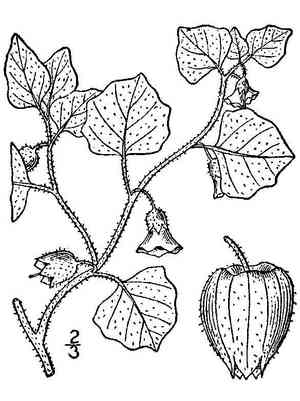
Ivyleaf groundcherry (Physalis hederifolia)
Also known as: ivy-leaved groundcherry
The desert ground cherry (Physalis crassifolia), despite its cherry-like fruits, is a type of wild tomatillo. This plant flourishes in the arid, mountainous regions of the southwestern United States and northern Mexico.
In This Article
Attributes of Ivyleaf groundcherry
Lifespan
Annual
Plant Type
Herb
Plant Height
30-50 cm
Spread
20-40 cm
Leaf Color
Green
Flower Size
1-2 cm
Flower Color
Yellow
Images of Ivyleaf groundcherry
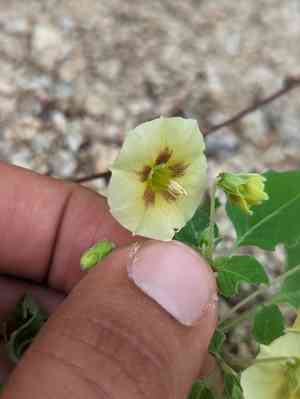
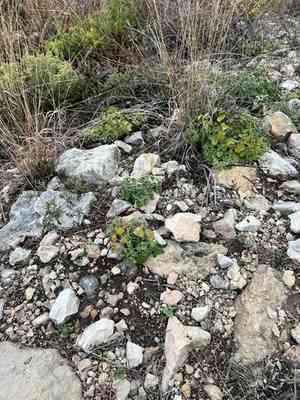
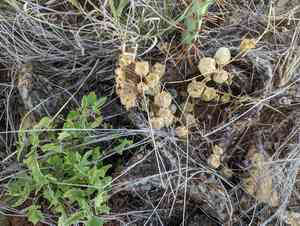
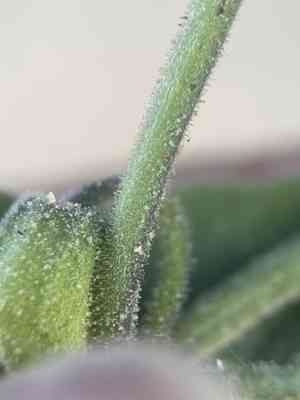
Quickly Identify Ivyleaf groundcherry
1
Identify Physalis hederifolia by its heart-shaped, lobed leaves, small yellow flowers, and the distinctive papery husk surrounding its fruit. The plant\'s foliage resembles ivy which is a key distinguishing characteristic.
Scientific Classification of Ivyleaf groundcherry
Phylum
Vascular plants
Class
Dicotyledons
Order
Solanales
Family
Nightshade
Genus
Physalis
Species
Ivyleaf groundcherry
Planting and Growing of Ivyleaf groundcherry
Care Difficulty
Easy
Watering Schedule
Every 2 days
Sunlight Requirements
Partial sun
Sunshine Duration
6-12 hours
Ideal Temperature
65-85℉
Soil Type
Potting Mix, Peat Mix
Soil pH
6.5-7.5
Fertilizer Type
Balanced
Pruning Season
Spring, Summer
Pruning Area
Branches, Leaves
Pruning Frequency
2 times a year
Repotting Season
Spring
Pot Type
Plastic, Ceramic
 How to Water Ivyleaf groundcherry?
Physalis hederifolia requires a modest amount of water each time—around 250 milliliters. It's crucial to soak the soil evenly until it is moist but not waterlogged. This ensures the roots gain sufficient moisture without promoting rot, following the principle of 'deep but infrequent' watering to mimic natural rainfall conditions.
What are the symptoms of an underwatered Ivyleaf groundcherry?
›
What should I do if my Ivyleaf groundcherry is not getting enough water?
›
What are the symptoms of an overwatered Ivyleaf groundcherry?
›
How to save an overwatered Ivyleaf groundcherry?
›
 What Are the Sunlight Requirements for Ivyleaf groundcherry?
Partial sun is optimal, promoting healthy growth patterns and berry production. This allows the plant to receive adequate light for photosynthesis while minimizing stress from prolonged exposure.
How much sun does Physalis hederifolia need?
›
How to ensure ideal lighting for Physalis hederifolia?
›
What are the benefits of ideal lighting for Physalis hederifolia?
›
 What Is the Ideal Temperature Range for Ivyleaf groundcherry?
The ideal temperature range for Physalis hederifolia is between 65°F and 85°F. This range ensures optimal enzymatic activity and growth processes in the plant, supporting healthy foliage and fruit production. Maintaining this temperature range helps the plant efficiently utilize nutrients and water, ultimately promoting overall vigor and resistance to certain diseases.
 What Soil is Best for Ivyleaf groundcherry?
Physalis hederifolia thrives in nutrient-rich soils. Essential nutrients promote healthy growth and fruiting. Nutrient-rich soil ensures robust plant development and high yields. This plant requires well-draining soil to prevent waterlogging. Good drainage protects roots from rot and ensures water availability while preventing suffocation. This soil type maintains ideal moisture levels. A balanced texture with sand, silt, and clay helps maintain stability and provide adequate aeration. This balance aids root expansion and nutrient uptake, supporting overall plant health.
 How to Fertilize Ivyleaf groundcherry?
When fertilizing Physalis hederifolia, it's important to apply the right amount to ensure healthy growth. For liquid fertilizers, a diluted solution at half strength is ideal, applied around the base of the plant. For slow-release granular fertilizers, about a tablespoon per plant is sufficient. This provides necessary nutrients without overwhelming the roots, promoting steady and healthy growth.
 How to Prune Ivyleaf groundcherry?
Start by identifying dead, diseased, or damaged branches. These should be removed first to encourage healthy new growth. Use sharp pruners to make clean cuts close to the main stem. Trim back excessively long branches to maintain a balanced and aesthetically pleasing shape. Cut just above a leaf node to stimulate branching and fuller foliage. Remove any basal suckers or water sprouts that may drain the plant's energy. Doing so will direct more resources to the plant's main-growing areas.
More About Pruning Techniques→
 How to Propagate Ivyleaf groundcherry plant?
1
Collect mature seeds from the Physalis hederifolia fruit and soak them in water overnight to improve germination rates. This hydration step is critical in waking up the seeds from dormancy and ensuring uniform sprouting.
2
Select healthy, disease-free stems from the mother plant, ideally with 4-6 leaves. Use pruning shears to cut below a node, where rooting hormones are abundant, to encourage successful rooting.
3
Place the cuttings in a rooting medium like perlite or peat moss after treating the cut end with rooting hormone. Keep them in a warm, humid environment to support root development.
 How to Repot Ivyleaf groundcherry plant?
1
Physalis hederifolia should be repotted when you notice its roots emerging from the drainage holes or when its growth appears stunted. This indicates that the plant has outgrown its current pot and needs more space to thrive.
2
Select a pot that is one size larger than the current one and has drainage holes. Choosing a pot with good drainage is vital as it prevents waterlogging, which can cause root rot and severely affect the plant's health.
3
Opt for a well-draining sandy soil mix. This type of soil ensures that excess water can flow freely, improving aeration and reducing the risk of root rot, providing a healthy environment for Physalis hederifolia to flourish.
Toxicity
Ingestion
WARNING
The judgment on toxicity and danger is for reference only. We DO NOT GUARANTEE any accuracy of such judgment. Therefore, you SHALL NOT rely on such judgment. It is IMPORTANT TO SEEK PROFESSIONAL ADVICE in advance when necessary.


