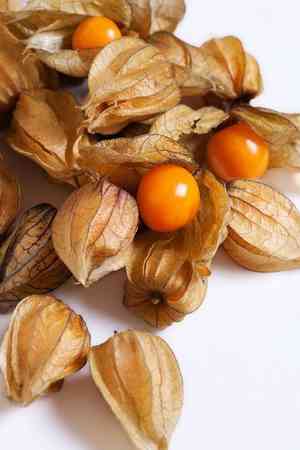
Physalis angulata (Physalis angulata)
Also known as: Cutleaf Groundcherry, Gooseberry
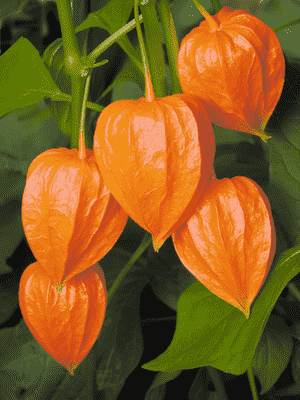
Physalis angulata, a member of the nightshade family Solanaceae, is a native plant species with unknown exact origin. This annual upright herb species could be endemic to either Australia or the Americas, or possibly both. It has spread globally, thriving in tropical and subtropical regions. The plant has distinctive dark green, roughly oval leaves with tooth-like shapes on their edges. It features pale yellow, five-sided flowers and yellow-orange fruits enclosed in a balloon-like calyx. These fruits are edible and can be consumed in various forms such as raw, cooked, or even made into jam. Nevertheless, caution must be observed as all other plant parts are toxic. For instance, the Toba-Pilagá people of Gran Chaco traditionally eat only the mature fruits. It's important to note that the consumption of unripe raw fruits, flowers, leaves, and stems, containing solanine and solanidine alkaloids, can lead to possible poisoning in humans, cattle, or horses.
Attributes of Physalis angulata
Images of Physalis angulata
Quickly Identify Physalis angulata
Scientific Classification of Physalis angulata
Planting and Growing of Physalis angulata
 How to Water Physalis angulata?
 What Are the Sunlight Requirements for Physalis angulata?
 What Is the Ideal Temperature Range for Physalis angulata?
 What Soil is Best for Physalis angulata?
 How to Fertilize Physalis angulata?
 How to Prune Physalis angulata?
 How to Propagate Physalis angulata plant?
 How to Repot Physalis angulata plant?
Toxicity of Physalis angulata
Is Physalis angulata toxic to humans?
Cutleaf groundcherry is an extremely toxic plant, with any portion other than the ripe fruit posing significant danger. The roots, stems, leaves, seeds, and unripe fruit all harbor a deadly toxin that can lead to fatal outcomes if consumed. The alkaloids present in the fruits and leaves can trigger symptoms such as abdominal pain, nausea, vomiting, and diarrhea. In more severe poisoning cases, blood may be present in the stool. Although fatalities are possible, they are relatively rare. A large quantity of the unripe fruit needs to be consumed to cause such outcomes. Inexperienced gardeners as well as small children face the highest risk of poisoning from the non-ripe fruit.



