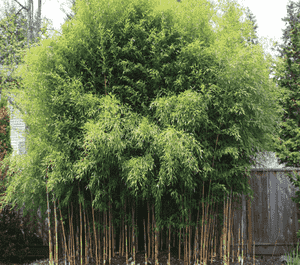
Yellow groove bamboo (Phyllostachys aureosulcata)
Also known as: Japanese yellow-groove bamboo, Japanese stake bamboo
In regions where winter temperatures do not drop below -15°C, this bamboo species can achieve optimal growth. Typically, it reaches a height of around 9 meters with culm diameters averaging 4 centimeters. However, under favorable conditions, it can grow up to 14 meters tall with culms expanding to 7 centimeters in diameter. The species is characterized by its dark green culms, which feature a distinctive yellow groove, contributing to its unique appearance.
In This Article
Attributes of Yellow groove bamboo
Lifespan
Perennial
Plant Type
Grass, Shrub
Plant Height
3.5 m to 5 m
Spread
3.5 m to 8 m
Leaf Color
Green Yellow Gold
Flower Size
N/A (rarely flowers)
Flower Color
Cream Green
Images of Yellow groove bamboo
Quickly Identify Yellow groove bamboo
1
Distinct 2-inch (5 cm) culms with yellow stripes stand out.
2
Rapid vertical growth up to 3 feet (91 cm) daily.
3
Olive green lanceolate leaves with hairy base, 7 inches (18 cm) long.
4
Zigzag pattern on culms, yellow with green stripes, 1.25-2.75 inches (3.2-7 cm) thick.
5
Forms robust colonies and dense stands, out-competing surrounding flora.
Scientific Classification of Yellow groove bamboo
Phylum
Vascular plants
Class
Monocotyledons
Order
Grasses, sedges and allies
Family
Grass
Genus
Bamboo
Species
Yellow groove bamboo
Planting and Growing of Yellow groove bamboo
Care Difficulty
Easy
Watering Schedule
Every 8 days
Sunlight Requirements
Full sun
Sunshine Duration
4-8 hours
Ideal Temperature
60-85℉
Soil Type
Potting Mix, Peat Mix
Soil pH
6.5-7.5
Fertilizer Type
Balanced
Pruning Season
Spring, Summer
Pruning Area
Branches, Leaves
Pruning Frequency
2 times a year
Repotting Season
Spring
Pot Type
Plastic, Ceramic
 How to Water Yellow groove bamboo?
Phyllostachys aureosulcata, commonly known as yellow groove bamboo, requires a deep and thorough watering that saturates the root zone without leaving it soggy. Providing about 500 milliliters can ensure the roots receive adequate moisture while allowing excess water to drain away, preventing root rot and maintaining optimal growth conditions.
What are the symptoms of an underwatered Yellow groove bamboo?
›
What should I do if my Yellow groove bamboo is not getting enough water?
›
What are the symptoms of an overwatered Yellow groove bamboo?
›
How to save an overwatered Yellow groove bamboo?
›
 What Are the Sunlight Requirements for Yellow groove bamboo?
Phyllostachys aureosulcata prefers full to partial sun, as this range enhances vigour, supports dense foliage, and ensures healthy cane development. Full sunlight raises photosynthesis rates, boosting its strength and resilience.
How much sunlight does Phyllostachys aureosulcata need?
›
What solutions ensure ideal sunlight for growth?
›
What are the benefits of receiving ideal sunlight?
›
 What Is the Ideal Temperature Range for Yellow groove bamboo?
Phyllostachys aureosulcata thrives best in temperatures ranging from 60 to 85 degrees Fahrenheit. This range provides optimal conditions for photosynthesis and growth, ensuring that the plant exhibits robust foliage and healthy development. These temperatures also help maintain the plant's metabolic processes at their most efficient state.
 What Soil is Best for Yellow groove bamboo?
Phyllostachys aureosulcata, widely known for its resilience, thrives in well-drained soils. This helps prevent root rot by allowing excess water to escape easily, ensuring the roots remain healthy and oxygenated, which is crucial for their rapid growth. This bamboo species flourishes when planted in nutrient-rich loam. Loam’s balance of sand, silt, and clay provides a fertile environment, supplying essential nutrients that promote vigorous growth and lush foliage. Phyllostachys aureosulcata requires soil with good moisture retention like sandy loam. This ensures sufficient water is available during dry spells while avoiding waterlogging in wetter conditions, providing a stable hydration environment.
 How to Fertilize Yellow groove bamboo?
For Phyllostachys aureosulcata, it's important to use about 1/2 to 3/4 pound of nitrogen per 100 square feet of growth area, ensuring a balanced nutrient supply. Always consider the plant's specific needs and growth stage.
 How to Prune Yellow groove bamboo?
Begin by identifying older or dead canes within the bamboo clump. These canes generally look yellow or brown and can feel hollow when tapped. Use sharp pruning shears or a pruning saw to cut unwanted canes as close to the ground as possible. Cutting low helps the plant maintain a tidy appearance and reduces regrowth risks. For aesthetic and sunlight penetration purposes, thin out areas where canes are too densely packed. This encourages air circulation and prevents diseases. If the bamboo is spreading too much, trim back some of the outer shoots. This can prevent the bamboo from encroaching on other areas of your garden.
More About Pruning Techniques→
 How to Propagate Yellow groove bamboo plant?
1
Select early spring when new growth is emerging. This timing ensures that the plant can establish roots before the growing season.
2
Using a sharp spade, carefully dig around the bamboo clump. Cut through the rhizomes ensuring each piece has at least one or two healthy culms and some roots.
3
Immediately replant the divisions at the same depth they were growing. Water them thoroughly to eliminate air pockets and encourage root establishment.
 How to Repot Yellow groove bamboo plant?
1
Phyllostachys aureosulcata, commonly known as Yellow Groove Bamboo, typically requires repotting in spring or autumn. Look for signals like roots growing through drainage holes, soil compactness, or stunted growth. These indicators suggest the plant needs more space to thrive.
2
Select a pot that's 2-3 inches wider and deeper than the current one, with good drainage. The extra space allows sufficient room for root expansion, which supports the robust growth of Yellow Groove Bamboo. Proper drainage prevents water accumulation, avoiding root rot.
3
Opt for well-draining loamy soil. This type of soil offers an ideal balance of drainage and moisture retention, which is crucial for the healthy development of bamboo. It prevents waterlogging, ensuring that roots receive adequate oxygen.



