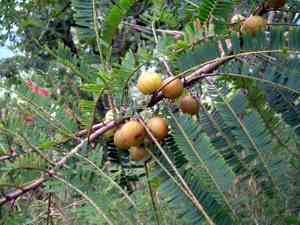
Emblic (Phyllanthus emblica)
Also known as: Myrobalan, Emblic leaf-flowered
Amla, also known as Indian gooseberry, yields small green fruits that are similar in appearance to gooseberries. These fruits are consumed fresh and are integral to Indian cooking. In India, the harvesting process is done manually, with skilled gatherers collecting the fruits from the higher branches of the trees.
In This Article
Attributes of Emblic
Lifespan
Perennial
Plant Type
Tree
Plant Height
8 m
Spread
7 m
Leaf Color
Light to dark green
Flower Size
3 mm to 5 mm
Flower Color
Yellow Green
Images of Emblic
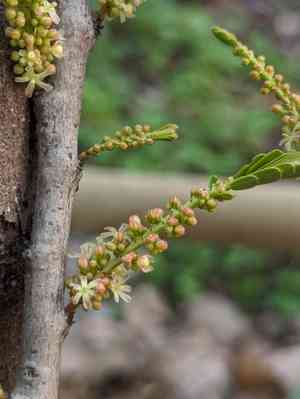
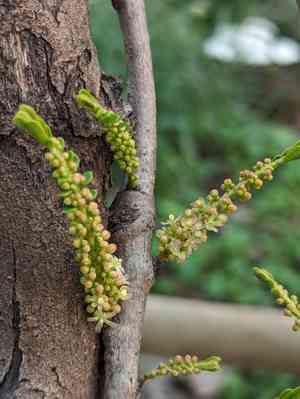

Quickly Identify Emblic
1
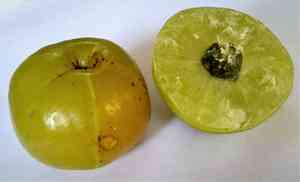
To identify Phyllanthus emblica, look for a small to medium-sized deciduous tree with feathery, compound leaves. The fruits are round, yellow-green and smooth, with a hard seed inside.
Scientific Classification of Emblic
Phylum
Vascular plants
Class
Dicotyledons
Order
Nances, spurges, willows and allies
Family
Leaf-flower
Genus
Leafflowers
Species
Emblic
Planting and Growing of Emblic
Care Difficulty
Easy
Watering Schedule
Every 2 days
Sunlight Requirements
Full sun
Sunshine Duration
4-6 hours
Ideal Temperature
59-86℉
Soil Type
Potting Mix, Peat Mix
Soil pH
6-7.5
Fertilizer Type
Balanced
Pruning Season
Spring, Summer
Pruning Area
Branches, Leaves
Pruning Frequency
2 times a year
Repotting Season
Spring
Pot Type
Plastic, Terracotta
 How to Water Emblic?
For Phyllanthus emblica, it's crucial to water until the soil is moist but not waterlogged. Typically, this means around 500ml per session, ensuring that water reaches the root zone without flooding the plant. Too much water can cause roots to rot, whereas too little may leave the plant thirsty.
What are the symptoms of an underwatered Emblic?
›
What should I do if my Emblic is not getting enough water?
›
What are the symptoms of an overwatered Emblic?
›
How to save an overwatered Emblic?
›
 What Are the Sunlight Requirements for Emblic?
Phyllanthus emblica thrives under full to partial sunlight. Ideal light ensures robust growth, optimal photosynthesis, and abundant fruiting, contributing significantly to the plant's vitality.
More About Sunlight Requirements Techniques→
Is ample sunlight crucial for its growth?
›
What solutions support its ideal lighting needs?
›
How does ideal lighting impact the plant?
›
 What Is the Ideal Temperature Range for Emblic?
Phyllanthus emblica thrives best in temperatures ranging from 59°F to 86°F. This range ensures optimal growth and health, providing the right balance of warmth and cooling for cellular functions.
 What Soil is Best for Emblic?
Phyllanthus emblica thrives in well-drained soil to prevent root rot. Maintaining appropriate drainage ensures healthy growth, preventing waterlogging that can hinder nutrient and oxygen uptake. This plant benefits from moderately fertile soil rich in organic matter. Fertility boosts nutrient availability, supporting lush foliage and fruitful harvests. Phyllanthus emblica is adaptable to a slightly alkaline pH, promoting optimal nutrient absorption. Ensuring a balanced pH allows vital nutrients to remain accessible, enhancing plant vigor.
 How to Fertilize Emblic?
For Phyllanthus emblica, a balanced approach to fertilizer amount is the key. During active growing seasons, provide a liquid fertilizer at a concentration of 1 tablespoon per gallon of water. For solid, slow-release fertilizers, apply around 100 grams per plant annually. It's crucial to ensure that the plant is neither starved nor overfed, so proper measurement and observation of plant response is essential.
 How to Prune Emblic?
Begin by examining the tree for any dead, diseased, or crossing branches. These should be removed first to ensure the health of the plant and prevent any potential diseases from spreading. When making a cut, do so just above a leaf node or bud to encourage new growth. Ensure your cuts are clean and at an angle, which helps prevent water from pooling and causing rot. For aesthetic purposes and to allow light to penetrate the canopy, thin out less essential branches evenly. Work on achieving a balanced structure while retaining the natural shape of Phyllanthus emblica.
More About Pruning Techniques→
 How to Propagate Emblic plant?
1
Choose seeds from mature fruits, ensuring they are healthy and free from disease. Soak them in water overnight to enhance germination rates.
2
Select a healthy branch that is approximately 4 to 6 inches long. Use sterilized pruning shears to make the cut at a 45-degree angle.
3
Prepare a potting medium consisting of equal parts of peat moss and perlite to ensure good drainage and aeration for young roots.
 How to Repot Emblic plant?
1
Phyllanthus emblica signals its need for repotting through overgrown roots protruding from the drainage holes and a noticeable stunted growth despite active care. Spring and summer are ideal, as the plant is in its growth phase, making it more resilient to changes.
2
Select a pot that's 2 inches larger in diameter than the current one, ensuring it has efficient drainage holes. This size encourages healthy growth without overwhelming the roots, while preventing waterlogging, which could lead to root rot.
3
Opt for a well-draining, loamy soil mix to ensure proper aeration and moisture retention, promoting robust root health. Equal parts of peat, perlite, and garden soil create an excellent medium, balancing nutrients, and drainage perfectly.
Learn More About Emblic Diseases
Anthracnose
Bacterial Leaf Spot
Bacterial Soft Rot
Bacterial Wilt
Damping-off
Downy Mildew
Drought Stress
Fusarium Wilt
Gray Mold
Leaf Curl
Leaf Spot
Mosaic
Nutrient Deficiency
Nutrient Toxicity
Powdery Mildew
Root Rot
Root-knot Nematode
Rusts
Sooty Mold
Spider Mites
Temperature Stress
Thrips Damage
White Mold



