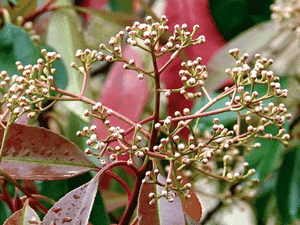
Taiwanese photinia (Photinia serratifolia)
Also known as: Japanese photinia
Osmanthus fragrans is a flowering shrub originally from China. Often planted in urban areas to enhance greenery, this shrub produces small, fragrant flowers. While its scent is pleasant to many, it can be too strong for some.
Attributes of Taiwanese photinia
Images of Taiwanese photinia
Quickly Identify Taiwanese photinia
Scientific Classification of Taiwanese photinia
Planting and Growing of Taiwanese photinia
 How to Water Taiwanese photinia?
 What Are the Sunlight Requirements for Taiwanese photinia?
 What Is the Ideal Temperature Range for Taiwanese photinia?
 What Soil is Best for Taiwanese photinia?
 How to Fertilize Taiwanese photinia?
 How to Prune Taiwanese photinia?
 How to Propagate Taiwanese photinia plant?
 How to Repot Taiwanese photinia plant?
Toxicity of Taiwanese photinia
Is Taiwanese photinia toxic to cat?
Taiwanese photinia is regarded as having a low level of toxicity for cats. The risk of poisoning is particularly present when cats eat a significant quantity of the plant's foliage. Although the specific toxic compounds are not identified, pet owners should be mindful that consuming this plant may result in symptoms of physical distress. Should a cat consume any part of the taiwanese photinia, it is essential to seek immediate veterinary assistance to promptly manage any negative consequences.
Is Taiwanese photinia toxic to dog?
The Taiwanese photinia presents a mild toxicity hazard for dogs. Although this plant is not classified as highly toxic, consumption in significant amounts can result in poisoning. The main concern for dog owners revolves around the leaves of the Taiwanese photinia, which are identified as the toxic components of the plant. Should a dog ingest these leaves, it may display symptoms that are suggestive of poisoning. Dog owners must stay alert and restrict their pets from entering areas where Taiwanese photinia thrives to prevent unintended consumption. If a dog does eat any parts of the Taiwanese photinia, it is imperative to monitor for signs of distress or abnormal behavior that may indicate poisoning. Symptoms may vary but can include gastrointestinal issues, such as vomiting or diarrhea, lethargy, or alterations in conduct. It is vital to seek immediate professional veterinary assistance if poisoning is suspected to safeguard the health and well-being of the affected canine.



