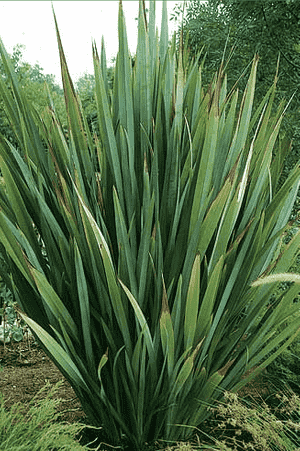
New zealand flax (Phormium tenax)
Also known as: Kouradi, Swamp flax
New Zealand flax, an evergreen plant known for its striking red, upright flowers, thrives best in natural settings. To produce these attractive blooms, the plant needs full sunlight and well-draining soil. Avoid planting it in small containers, as this can hinder flower production. Providing these conditions will help ensure healthy growth and vibrant flowering.
In This Article
Attributes of New zealand flax
Lifespan
Perennial
Plant Type
Herb
Plant Height
30 cm to 3.5 m
Spread
30 cm to 90 cm
Leaf Color
Green Blue Gray Silver
Flower Size
5 cm
Flower Color
Red
Images of New zealand flax
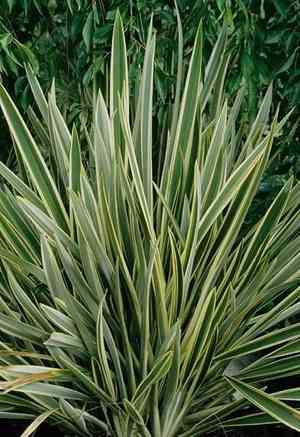
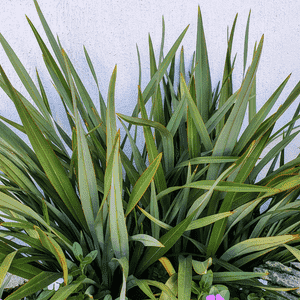
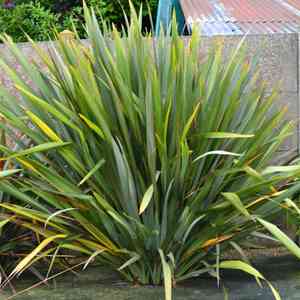
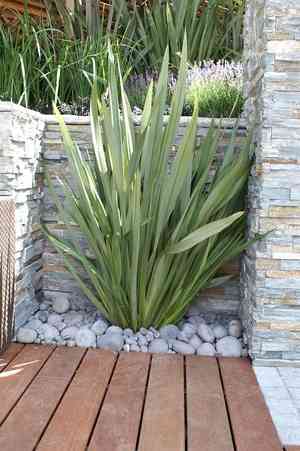
Quickly Identify New zealand flax
1
Sword-like leaves reaching 6-8 feet (1.8-2.4 meters) tall
2
Strap-shaped leaves with colors ranging from deep green to bronze
3
Dark red flower panicles on 12 feet (3.6 meters) tall spikes
4
Tubular flowers with six fused petals lacking noticeable scent
5
Distinct V-shaped leaves with red-orange margins and midribs
Scientific Classification of New zealand flax
Phylum
Vascular plants
Class
Monocotyledons
Order
Asparagales
Family
Asphodel
Genus
Phormium
Species
New zealand flax
Planting and Growing of New zealand flax
Care Difficulty
Easy
Watering Schedule
Every 8 days
Sunlight Requirements
Full sun
Sunshine Duration
4-8 hours
Ideal Temperature
60-75℉
Soil Type
Potting Mix, Peat Mix
Soil pH
6.5-7.5
Fertilizer Type
Balanced
Pruning Season
Spring, Summer
Pruning Area
Branches, Leaves
Pruning Frequency
2 times a year
Repotting Season
Spring
Pot Type
Plastic, Ceramic
 How to Water New zealand flax?
For Phormium tenax, ensure the soil is moderately moistened with around 250 milliliters of water. Water the plant until the moisture penetrates the top 2 inches of soil, keeping the substrate consistently damp but not waterlogged, adhering to the 'soak and dry' approach.
More About Watering Techniques→
What are the symptoms of an underwatered New zealand flax?
›
What should I do if my New zealand flax is not getting enough water?
›
What are the symptoms of an overwatered New zealand flax?
›
How to save an overwatered New zealand flax?
›
 What Are the Sunlight Requirements for New zealand flax?
Phormium tenax ideally thrives in conditions with full to partial sunlight exposure. Consistent sunlight ensures that its foliage remains colorful and well-formed, supporting optimal growth and resilience against environmental stressors.
More About Sunlight Requirements Techniques→
How much sunlight is optimal for Phormium tenax?
›
What solutions are there to achieve optimal lighting?
›
What benefits does Phormium tenax gain from ideal lighting?
›
 What Is the Ideal Temperature Range for New zealand flax?
The ideal temperature range for Phormium tenax, also known as New Zealand Flax, spans from 60°F to 75°F. Within this range, the plant exhibits optimal growth and vibrant foliage. Cooler temperatures might slow its growth, whereas slight warmer conditions could still support its development but might require more water care. Thus, maintaining these conditions helps the plant thrive.
 What Soil is Best for New zealand flax?
Phormium tenax benefits from well-drained soil which prevents waterlogging. This condition mimics its natural habitat, promoting healthy root growth and preventing root rot, which is crucial for the plant's overall health and vigor. The soil should be able to retain moisture while still being aerated. This ensures that the plant has access to water without suffocating the roots, helping it thrive in both dry and humid conditions. Enriched soil with organic matter supports the Phormium's nutritional needs. Organic materials improve soil structure and fertility, promoting robust plant growth and enhancing leaf coloration.
More About Soil→
 How to Fertilize New zealand flax?
For Phormium tenax, apply liquid fertilizer at a half-strength dilution every two weeks during the growing season. The solid, slow-release granules should be administered at a rate of 100 grams per plant, three times a year, in early spring, mid-summer, and early autumn.
More About Fertilizing Techniques→
 How to Prune New zealand flax?
Begin by sterilizing your pruning shears to prevent any disease transmission. Focus on removing dead, damaged, or discolored leaves at the base. Cut them as close to the plant base as possible to make room for healthy new growth. Gently shape the plant by cutting back overgrown sections to maintain the desired form, ensuring you don't cut through the healthy green leaves unnecessarily.
More About Pruning Techniques→
 How to Propagate New zealand flax plant?
1
Begin by collecting seeds from a mature Phormium tenax plant. Make sure seeds are thoroughly dried. Soak them in warm water for 24 hours before planting to enhance germination rates.
2
For division propagation, gently dig up the plant and separate the root clumps. Each division should have a healthy portion of roots and shoots. Replant them promptly to avoid root desiccation.
3
Select healthy Phormium tenax shoots and using a clean, sharp tool, cut them diagonally. Remove any dead leaves, and dip the ends in rooting hormone before planting them in a well-draining medium.
 How to Repot New zealand flax plant?
1
Phormium tenax should be repotted when you notice that its roots are coming out of the drainage holes or it has stopped growing vigorously. These signs indicate that the plant needs more space to thrive. Spring and summer are the ideal seasons for repotting, as the plant is actively growing and can more easily recover from the disturbance.
2
Choose a pot that is about two inches larger in diameter than the current one. The pot should have adequate drainage holes to avoid waterlogging, which Phormium tenax detests. This standard ensures the roots have enough space to expand and the plant can breathe properly, preventing root rot and promoting healthy growth.
3
The ideal soil for repotting Phormium tenax is a well-draining potting mix. It should retain enough moisture to keep the plant happy but drain excess water efficiently. Mixing regular potting soil with sand or perlite will help create a medium that supports robust root development and prevents issues like root suffocation.
Learn More About New zealand flax Diseases
Anthracnose
Bacterial Leaf Spot
Bacterial Soft Rot
Crown Gall
Cyst Nematode
Damping-off
Downy Mildew
Drought Stress
Fusarium Wilt
Gray Mold
Leaf Spot
Mosaic
Nutrient Deficiency
Nutrient Toxicity
Powdery Mildew
Root Rot
Root-knot Nematode
Rusts
Sooty Mold
Spider Mites
Temperature Stress
Thrips Damage
White Mold



