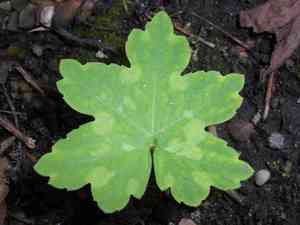
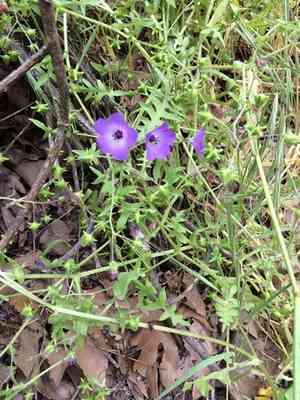
Blue fiesta flower (Pholistoma auritum)
Also known as: Fiesta flower
The blue fiesta flower (*Pholistoma auritum*) features stems covered with tiny bristles, which enable the plant to cling and climb on surfaces. It's said that Mexican girls once used these bristles to attach the flowers to their dresses during celebrations. Additionally, these flowers often attract moths like *Stamnodes albiapicata*.
In This Article
Attributes of Blue fiesta flower
Lifespan
Annual
Plant Type
Herb
Plant Height
20 cm to 1.2 m
Spread
90 cm
Leaf Color
Green Blue
Flower Size
3 cm
Flower Color
Purple
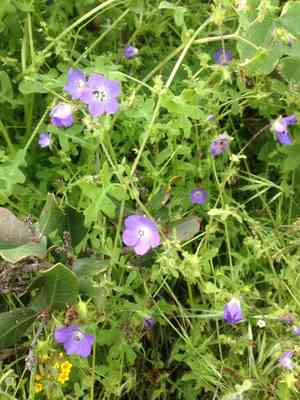
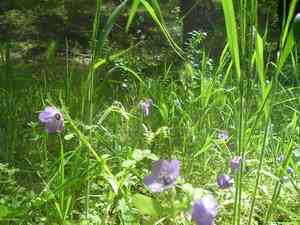
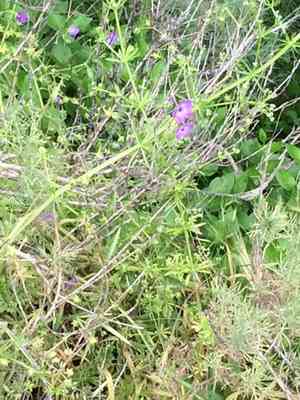
Images of Blue fiesta flower
Quickly Identify Blue fiesta flower
1
Pholistoma auritum can be identified by its deeply lobed, hairy leaves and vibrant blue to violet bell-shaped flowers. The stems are often sprawling and may have a slightly succulent texture. The hairs on the plant can be sticky to the touch.
Scientific Classification of Blue fiesta flower
Phylum
Vascular plants
Class
Dicotyledons
Order
Boraginales
Family
Waterleaf
Genus
Fiestaflowers
Species
Blue fiesta flower
Planting and Growing of Blue fiesta flower
Care Difficulty
Easy
Watering Schedule
Every 4 days
Sunlight Requirements
Partial sun
Sunshine Duration
4-10 hours
Ideal Temperature
60-75℉
Soil Type
Potting Mix, Peat Mix
Soil pH
6.5-7.5
Fertilizer Type
Balanced
Pruning Season
Spring, Summer
Pruning Area
Branches, Leaves
Pruning Frequency
2 times a year
Repotting Season
Spring
Pot Type
Plastic, Ceramic
 How to Water Blue fiesta flower?
When watering Pholistoma auritum, ensure that the soil is thoroughly soaked, but not waterlogged. This means applying about 250 ml of water per session, making sure it reaches the root zone deeply. The soil should feel moist to touch but should be allowed to dry out slightly between waterings to avoid the risk of root rot.
What are the symptoms of an underwatered Blue fiesta flower?
›
What should I do if my Blue fiesta flower is not getting enough water?
›
What are the symptoms of an overwatered Blue fiesta flower?
›
How to save an overwatered Blue fiesta flower?
›
 What Are the Sunlight Requirements for Blue fiesta flower?
Pholistoma auritum flourishes under partial sun or full shade. Ideal lighting promotes vibrant foliage, optimal growth, and resistance to environmental stresses, supporting a flourishing ecosystem around the plant.
What type of light does it prefer?
›
How can ideal lighting be achieved?
›
What benefits does ideal lighting provide?
›
 What Is the Ideal Temperature Range for Blue fiesta flower?
The ideal temperature range for Pholistoma auritum is between 60°F and 75°F. This range supports optimal growth and flowering, providing the necessary warmth for physiological processes while preventing stress caused by excessive heat or cold.
 What Soil is Best for Blue fiesta flower?
Pholistoma auritum thrives in soil that provides excellent drainage. This is crucial because waterlogged conditions can lead to root rot, compromising the plant's health and vitality. Well-draining soil ensures that excess moisture is swiftly removed, maintaining the necessary balance for optimal growth. This plant prefers soil that contains sufficient nutrients to support its extensive foliage and flowering potential. Incorporating organic matter like compost can significantly enhance the soil's fertility, promoting healthier growth and more vibrant blooms. While good drainage is essential, the soil should still retain some moisture. This characteristic keeps the plant consistently hydrated in dry spells, reducing stress and promoting sustained health without the risk of root diseases brought on by overwatering.
 How to Fertilize Blue fiesta flower?
When fertilizing Pholistoma auritum, it's crucial to provide moderate amounts. Liquid fertilizers should be applied at half the recommended strength on the label to avoid root burn. For slow-release fertilizers, use a quantity that fits the plant's pot or garden space without crowding the roots. Over-fertilization can lead to nutrient imbalances and damage.
 How to Prune Blue fiesta flower?
When pruning Pholistoma auritum, focus on removing any branches that are crossing each other or seem to be growing in an unruly manner. This will help improve air circulation within the plant. Gently prune back the longer vines to maintain the desired shape and size of your Pholistoma auritum. This ensures that the plant doesn't become too leggy and maintains a bushier appearance.
More About Pruning Techniques→
 How to Propagate Blue fiesta flower plant?
1
Collect seeds from mature Pholistoma auritum plants when seed pods have dried and turned brown. Ensure seeds are viable for successful propagation.
2
Sow seeds evenly in trays filled with potting mix. Lightly cover them with soil and water gently to ensure proper seed-to-soil contact, facilitating germination.
3
Once seedlings have developed several true leaves, carefully transplant them to larger pots or directly into the garden, ensuring minimal root disturbance.
 How to Repot Blue fiesta flower plant?
1
Look for telltale signs like roots protruding through the drainage holes or the plant appearing stunted in growth. These are clear signals that your Pholistoma auritum is in need of a new home. It's crucial to catch this early in the year, ideally in spring or summer, to allow the plant to acclimate before resting periods.
2
Opt for a pot that is one to two inches larger in diameter than the current one. This allows ample room for growth without overwhelming the root system. Pots with adequate drainage are vital to prevent root rot, ensuring the plant thrives in its new environment.
3
Use a well-draining, loamy soil blend. This type of soil maintains the right moisture balance, preventing waterlogging while providing essential nutrients. The blend's structure is especially conducive to supporting healthy root development and preventing common issues such as root rot.
Learn More About Blue fiesta flower Diseases
Anthracnose
Bacterial Leaf Spot
Bacterial Soft Rot
Bacterial Wilt
Black Spot
Chemical Injury
Crown Gall
Cyst Nematode
Damping-off
Downy Mildew
Drought Stress
Fusarium Wilt
Gray Mold
Leaf Curl
Leaf Spot
Mosaic
Nutrient Deficiency
Nutrient Toxicity
Powdery Mildew
Root Rot
Root-knot Nematode
Rusts
Sooty Mold
Spider Mites
Temperature Stress
Thrips Damage
White Mold



