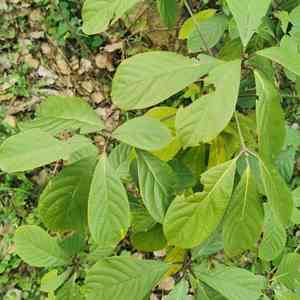
Phoebe sheareri (Phoebe sheareri)
Also known as: Shearer's Phoebe, Shearer Phoebe
Phoebe sheareri is a small to medium-sized evergreen tree recognized for its large, drooping leaves. Its wood, known in certain areas as silkwood, is highly valued for its use in carving and bead-making. Nowadays, it is most commonly used for creating prayer beads and occasionally as an ornamental plant in gardens and landscape designs.
In This Article
Attributes of Phoebe sheareri
Lifespan
Perennial
Plant Type
Tree
Plant Height
5 m to 15 m
Spread
10-15 meters
Leaf Color
Green
Flower Size
4 mm to 5 mm
Flower Color
Yellow Green
Quickly Identify Phoebe sheareri
1
Phoebe sheareri can be identified by its large, glossy, and aromatic leaves, as well as its tall, straight trunk. The bark is brown and slightly rough. During flowering, small yellowish-green flowers can be seen.
Scientific Classification of Phoebe sheareri
Phylum
Vascular plants
Class
Dicotyledons
Order
Laurels, spicebushes and allies
Family
Laurel
Genus
Phoebe
Species
Phoebe sheareri
Planting and Growing of Phoebe sheareri
Care Difficulty
Easy
Watering Schedule
Every 2 days
Sunlight Requirements
Partial sun
Sunshine Duration
4-10 hours
Ideal Temperature
60-75℉
Soil Type
Potting Mix, Peat Mix
Soil pH
6.5-7.5
Fertilizer Type
Balanced
Pruning Season
Spring, Summer
Pruning Area
Branches, Leaves
Pruning Frequency
2 times a year
Repotting Season
Spring
Pot Type
Plastic, Ceramic
 How to Water Phoebe sheareri?
Phoebe sheareri prefers consistent moisture levels in its soil, meaning it thrives on regular yet measured watering. The goal should be to allow the top inch of soil to dry slightly between waterings without letting the entire pot become bone dry. About 500 ml per session is usually sufficient.
What are the symptoms of an underwatered Phoebe sheareri?
›
What should I do if my Phoebe sheareri is not getting enough water?
›
What are the symptoms of an overwatered Phoebe sheareri?
›
How to save an overwatered Phoebe sheareri?
›
 What Are the Sunlight Requirements for Phoebe sheareri?
Phoebe sheareri prefers partial sunlight, receiving light during the cooler parts of the day. This promotes satisfactory growth and maintains leaf coloration without the risk of sunburn.
More About Sunlight Requirements Techniques→
How much light does Phoebe sheareri need?
›
What strategies ensure optimal light conditions?
›
What are the benefits of ideal lighting for Phoebe sheareri?
›
 What Is the Ideal Temperature Range for Phoebe sheareri?
The ideal temperature range for Phoebe sheareri falls between 60°F and 75°F. This range provides optimal conditions for growth and development. Ensuring the temperature within this range helps the plant maintain healthy metabolism, efficient nutrient uptake, and vibrant foliage.
 What Soil is Best for Phoebe sheareri?
Phoebe sheareri thrives in well-drained soil, preventing root rot and other moisture-related issues. Ensuring good drainage enhances root health and promotes vigorous growth. This plant benefits from soil rich in organic matter. Organic material improves fertility, retains moisture, and supplies nutrients, facilitating healthy growth and development. Phoebe sheareri prefers soil with moderate moisture content. Consistent watering keeps the soil moist but not soggy, enabling optimal nutrient absorption.
 How to Fertilize Phoebe sheareri?
For Phoebe sheareri, it's essential to use a balanced fertilizer with an N-P-K ratio like 10-10-10 or 20-20-20. When using liquid fertilizer every two weeks, dilute to half the recommended concentration. For slow-release fertilizers, apply according to the product's instructions, usually a few granules per square foot of root spread.
 How to Prune Phoebe sheareri?
Always avoid pruning during extreme weather conditions, such as heavy rain or high heat, as these can stress the plant and hinder its recovery. The beginning of Spring or just after Summer's intense heat are ideal times as the plant is more resilient and able to heal promptly. Ensure all pruning tools are sharp and well-maintained. Dull blades can crush and damage the plant, leading to jagged cuts that are slow to heal and more susceptible to disease. Regular cleaning and sharpening of tools will facilitate cleaner cuts and healthier plants. After pruning, provide additional care by mulching around the base of the plant to retain soil moisture and moderate temperature. Water the plant thoroughly to aid in recovery. Keep an eye out for any unusual symptoms that may indicate stress or infection following pruning.
More About Pruning Techniques→
 How to Propagate Phoebe sheareri plant?
1
Gather seeds from a mature Phoebe sheareri when the fruit is ripe. Remove the seeds from the fruit, clean thoroughly, and allow them to dry completely before storage.
2
Select healthy, semi-hardwood cuttings in the spring or early summer. Cut them at an angle and dip the ends in rooting hormone to encourage faster root development.
3
Choose a compatible rootstock and align the cambium layers of both the scion and rootstock closely. Secure them with grafting tape and place in a controlled environment away from direct sunlight.
 How to Repot Phoebe sheareri plant?
1
Look for signs of root-bound conditions like roots growing out of drainage holes or visible on the soil surface. These indicators suggest it's time to repot Phoebe sheareri into a larger pot for healthier growth.
2
Choose a pot that is 1-2 inches larger in diameter than the current one. This ensures enough space for root expansion and prevents the soil from holding excess moisture, consequently avoiding root rot.
3
Opt for well-draining loamy soil enriched with organic matter. This type of soil promotes healthy root growth by providing necessary aeration and preventing waterlogging, ensuring optimal plant health.
Learn More About Phoebe sheareri Diseases
Anthracnose
Bacterial Leaf Spot
Bacterial Soft Rot
Bacterial Wilt
Black Spot
Chemical Injury
Crown Gall
Cyst Nematode
Damping-off
Downy Mildew
Drought Stress
Fusarium Wilt
Gray Mold
Leaf Curl
Leaf Spot
Mosaic
Nutrient Deficiency
Nutrient Toxicity
Powdery Mildew
Root Rot
Root-knot Nematode
Rusts
Sooty Mold
Spider Mites
Temperature Stress
Thrips Damage
White Mold



