
Santa catalina mountain phlox (Phlox tenuifolia)
Also known as: Thinleaf Phlox, Narrowleaf Phlox
The Santa Catalina Mountain Phlox, known for its fine, needle-like leaves and abundance of bright flowers, blooms primarily in spring. It does best in well-drained soil, often thriving in rocky or sandy terrains. This plant's thin stems and delicate foliage allow it to spread beautifully across mountainous regions, adding vibrant color to the landscape.
In This Article
Attributes of Santa catalina mountain phlox
Lifespan
Perennial
Plant Type
Herb
Plant Height
30 cm to 91 cm
Spread
12-18 inches (30-45 cm)
Leaf Color
Green
Flower Size
0.5-1 inch (1.3-2.5 cm)
Flower Color
Pink, purple, white
Images of Santa catalina mountain phlox
Quickly Identify Santa catalina mountain phlox
1
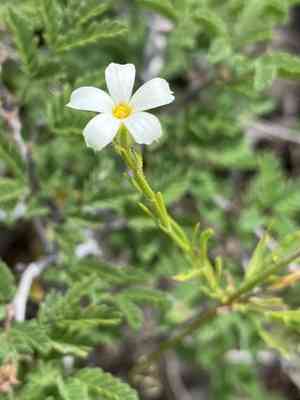
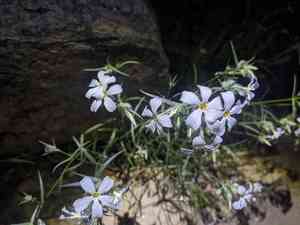
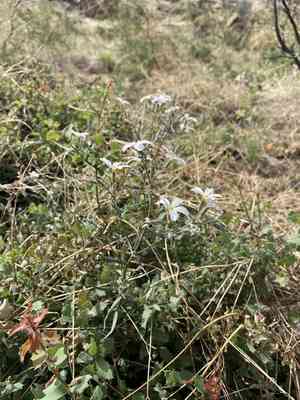
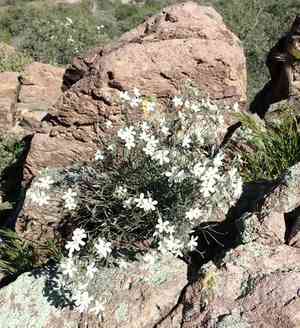
Look for narrow, lance-shaped leaves and clusters of small, star-shaped flowers. The flowers typically have five petals and come in shades of pink, purple, or white. The stems are often thin and wiry, supporting the loose floral clusters.
Scientific Classification of Santa catalina mountain phlox
Phylum
Vascular plants
Class
Dicotyledons
Order
Ericales
Family
Phlox
Genus
Phloxes
Species
Santa catalina mountain phlox
Planting and Growing of Santa catalina mountain phlox
Care Difficulty
Easy
Watering Schedule
Every 2 days
Sunlight Requirements
Partial sun
Sunshine Duration
6-8 hours
Ideal Temperature
60-70℉
Soil Type
Potting Mix, Peat Mix
Soil pH
6.5-7.5
Fertilizer Type
Balanced
Pruning Season
Spring, Summer
Pruning Area
Branches, Leaves
Pruning Frequency
2 times a year
Repotting Season
Spring
Pot Type
Plastic, Ceramic
 How to Water Santa catalina mountain phlox?
For Phlox tenuifolia, it's crucial to ensure the soil is evenly moist but not too soggy. Each watering session should ideally provide around 500 ml of water, making the soil feel damp to a depth of about an inch without turning it waterlogged.
What are the symptoms of an underwatered Santa catalina mountain phlox?
›
What should I do if my Santa catalina mountain phlox is not getting enough water?
›
What are the symptoms of an overwatered Santa catalina mountain phlox?
›
How to save an overwatered Santa catalina mountain phlox?
›
 What Are the Sunlight Requirements for Santa catalina mountain phlox?
Partial sun exposure is ideal for Phlox tenuifolia, enhancing its flowering and resilience. Ensuring it remains in semi-lit areas helps it achieve optimal beauty and health without stress from excessive or insufficient light.
What is the best lighting condition?
›
How can you achieve optimal lighting for Phlox tenuifolia?
›
What are the benefits of ideal lighting for this plant?
›
 What Is the Ideal Temperature Range for Santa catalina mountain phlox?
The ideal temperature range for Phlox tenuifolia is between 60°F and 70°F. This range helps ensure optimal growth and flowering. Temperatures within this range provide the most suitable environment for photosynthesis, nutrient uptake, and overall plant vigor.
 What Soil is Best for Santa catalina mountain phlox?
Phlox tenuifolia thrives in well-draining soils that prevent waterlogging. Excess moisture can lead to root rot, so sandy loam or sandy soils are ideal as they allow water to pass through efficiently. A nutrient-rich soil supports the vigorous growth of Phlox tenuifolia. Incorporating organic matter or compost can enhance the soil’s fertility, providing essential nutrients that promote lush foliage and vibrant blooms. An aerated soil structure is crucial for Phlox tenuifolia to ensure that roots receive adequate oxygen. Loosening the soil and avoiding compaction allows roots to expand freely, fostering healthy plant development.
 How to Fertilize Santa catalina mountain phlox?
Phlox tenuifolia typically requires a moderate amount of fertilizer. For liquid fertilizers, a dilution of half-strength of a balanced, all-purpose plant food is ideal. Apply approximately 1-2 tablespoons of liquid fertilizer per gallon of water. For slow-release fertilizers, use approximately 2-3 tablespoons per plant, depending on the soil quality and size of the plant.
 How to Prune Santa catalina mountain phlox?
Begin by taking a good look at your Phlox tenuifolia to identify any dead, damaged, or crossing stems. This assessment is crucial for deciding where to cut. Start by snipping off any dead or yellowing stems just above a junction point with healthy tissue. This encourages the plant to direct its energies toward healthier parts. Trim back any overly long stems to maintain the desired shape of the plant. Cut back to a leaf node or branch to encourage new growth from that point, promoting a fuller bush. While pruning, inspect the plant for signs of insect infestations. Remove any affected areas if necessary, and consider using natural pesticides as a precaution.
More About Pruning Techniques→
 How to Propagate Santa catalina mountain phlox plant?
1
Start by gathering mature seeds from a healthy Phlox tenuifolia plant. Rinse them with water to remove any debris and allow them to dry completely. Prepare a seed tray with a well-draining soil mix and sow the seeds, covering them lightly with soil.
2
Select healthy stems from the parent plant, about 4 to 6 inches long, and cut them using sharp pruning shears. Remove the lower leaves and dip the cut ends in rooting hormone to encourage root growth.
3
Carefully dig up a mature Phlox tenuifolia plant and gently separate its roots into smaller sections, ensuring each division has healthy roots attached. Replant each division at the same depth as the original plant, water thoroughly, and maintain adequate spacing.
 How to Repot Santa catalina mountain phlox plant?
1
Phlox tenuifolia often signals the need for repotting when roots begin to encircle the pot's perimeter, or when plant growth seems stunted even with optimal care. These signs suggest it's time to provide more space for root expansion, typically occurring every 2-3 years.
2
Selecting the right pot for Phlox tenuifolia involves ensuring it provides ample drainage to prevent waterlogging. A pot 2 inches larger in diameter than the current one is optimal. This allows the roots to spread comfortably, promoting robust growth and preventing stress on the plant.
3
Use a well-draining potting mix, ideally with components like perlite or coarse sand. This type of soil ensures efficient drainage and aeration, preventing root rot and creating a healthy environment for Phlox tenuifolia to thrive.
Toxicity
Ingestion
WARNING
The judgment on toxicity and danger is for reference only. We DO NOT GUARANTEE any accuracy of such judgment. Therefore, you SHALL NOT rely on such judgment. It is IMPORTANT TO SEEK PROFESSIONAL ADVICE in advance when necessary.
Learn More About Santa catalina mountain phlox Diseases
Anthracnose
Bacterial Leaf Spot
Bacterial Soft Rot
Bacterial Wilt
Black Spot
Chemical Injury
Crown Gall
Cyst Nematode
Damping-off
Downy Mildew
Drought Stress
Fusarium Wilt
Gray Mold
Leaf Curl
Leaf Spot
Mosaic
Nutrient Deficiency
Nutrient Toxicity
Powdery Mildew
Root Rot
Root-knot Nematode
Rusts
Sooty Mold
Spider Mites
Temperature Stress
Thrips Damage
White Mold



