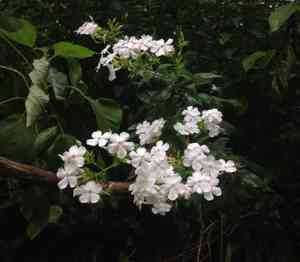
Garden phlox (Phlox paniculata)
Also known as: Summer phlox
The Indian Paintbrush is a native flowering plant in the United States. Its name is derived from the Latin word for "flame," alluding to its bright red or orange bracts. This plant is a vital nectar source for both insects and hummingbirds.
In This Article
Attributes of Garden phlox
Lifespan
Perennial, Annual
Plant Type
Herb
Plant Height
60 cm to 1.2 m
Spread
1 m
Leaf Color
Green
Flower Size
1.5 cm to 2.5 cm
Flower Color
White Pink Red Purple Blue Violet
Images of Garden phlox
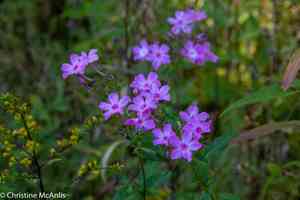
Quickly Identify Garden phlox
1
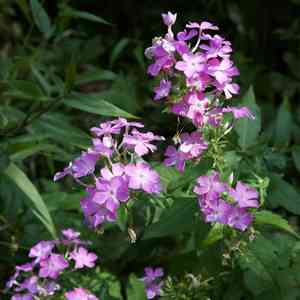
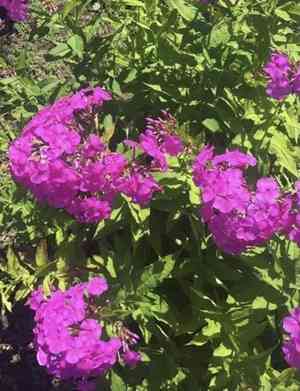
Dense, pyramidal clusters of pink-purple to white tubular flowers in tiered domes.
2
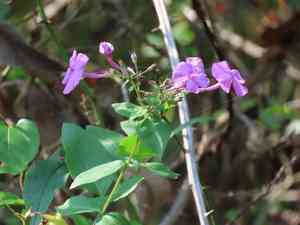
Opposite, deep green lance-shaped leaves with prominent branching veins create a distinctive pattern.
Scientific Classification of Garden phlox
Phylum
Vascular plants
Class
Dicotyledons
Order
Heathers and allies
Family
Phlox
Genus
Phloxes
Species
Garden phlox
Planting and Growing of Garden phlox
Care Difficulty
Easy
Watering Schedule
Every 8 days
Sunlight Requirements
Full sun
Sunshine Duration
6-10 hours
Ideal Temperature
60-75℉
Soil Type
Potting Mix, Peat Mix
Soil pH
6.5-7.5
Fertilizer Type
Balanced
Pruning Season
Spring, Summer
Pruning Area
Branches, Leaves
Pruning Frequency
2 times a year
Repotting Season
Spring
Pot Type
Plastic, Ceramic
 How to Water Garden phlox?
Phlox paniculata prefers the soil to be consistently moist but not waterlogged. When watering, aim to soak the soil to a depth of about 15 cm, which generally equates to approximately 500 ml of water per plant, depending on soil type and weather conditions.
More About Watering Techniques→
What are the symptoms of an underwatered Garden phlox?
›
What should I do if my Garden phlox is not getting enough water?
›
What are the symptoms of an overwatered Garden phlox?
›
How to save an overwatered Garden phlox?
›
 What Are the Sunlight Requirements for Garden phlox?
Phlox paniculata thrives best in full sun to partial sun conditions, reflecting in abundant blooms and robust growth.
More About Sunlight Requirements Techniques→
Optimal Sun Exposure
›
Benefits of Partial Sun
›
Consistent Light Regulation
›
 What Is the Ideal Temperature Range for Garden phlox?
The ideal temperature range for Phlox paniculata cultivation is between 60°F and 75°F. Maintaining this temperature range ensures optimal photosynthesis and growth, allowing the plant to thrive and produce vibrant blooms. Temperatures within this range provide a favorable environment for nutrient uptake, contributing to healthier foliage and robust development.
 What Soil is Best for Garden phlox?
Phlox paniculata thrives in well-drained soil as it prevents waterlogging, which can lead to root rot. Ensuring adequate drainage is essential to maintain healthy growth and vibrant blooms. Rich soil full of organic matter provides essential nutrients that support the robust growth and vibrant flowering of Phlox paniculata, giving it the strength to flourish through the growing season. While Phlox paniculata appreciates well-drained conditions, maintaining some level of moisture is crucial, especially during dry spells, to keep the plant hydrated and prevent stress.
More About Soil→
 How to Fertilize Garden phlox?
Phlox paniculata needs moderate fertilization during its growing season. Apply about 1/4 cup of balanced 10-10-10 fertilizer per plant, ensuring not to over-concentrate near the roots. Proper measurement ensures robust blooming and healthy foliage without nutrient competition.
More About Fertilizing Techniques→
 How to Prune Garden phlox?
Begin by removing any dead or diseased stems and leaves. Cut these parts back to healthy wood with clean, precise cuts to encourage new, healthy growth. To improve air circulation, thin out the center of the Phlox by removing older, woody stems. This reduces the chance of fungal diseases and encourages blooms. In spring, pinch back new growth to promote bushier plants and to prevent legginess. This will result in more flowers over the blooming period. In the summer, regularly remove spent flowers by deadheading. This encourages re-blooming and keeps the plants looking fresh and vibrant throughout the season.
More About Pruning Techniques→
 How to Propagate Garden phlox plant?
1
Collect seeds from a mature Phlox paniculata plant when the seed pods are dry and brown. Carefully open the pods over a container to collect the seeds without losing them.
2
Select a healthy stem and use sterilized garden shears to cut a 4-6 inch section. Remove the lower leaves and dip the cut end in rooting hormone to encourage root development.
3
Dig up the mature plant in the early spring and gently separate it into smaller clumps. Replant these sections immediately and water thoroughly to encourage new growth.
 How to Repot Garden phlox plant?
1
Phlox paniculata needs repotting when you see roots emerging from the drainage holes or when growth seems stunted. Early sprouting in spring or after blooming in autumn are perfect times, as there's minimal stress on the plant.
2
Choose a pot that's one or two sizes larger than the current one with ample drainage holes. Ceramic or plastic pots work well, but ensure good drainage to prevent root rot and let the plant breathe.
3
Opt for a well-draining, loamy soil mix, possibly with added perlite or sand. This ensures it retains moisture without becoming waterlogged, providing an ideal growing environment for Phlox paniculata.



