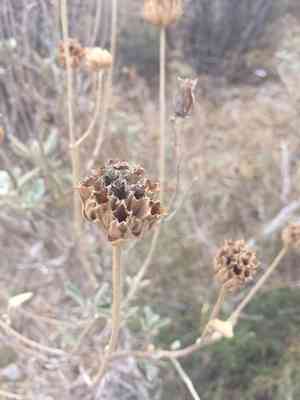
Shrubby jerusalem sage (Phlomis fruticosa)
Also known as: Yellow Clary, French sage, Wild mullein
Shrubby Jerusalem Sage (Phlomis fruticosa) is a fast-growing, semi-woody evergreen plant that typically reaches heights of 91 to 122 cm. In late spring to early summer, it showcases clusters of vibrant yellow flowers that attract butterflies and hummingbirds. This drought-resistant shrub thrives in full sun to partial shade.
In This Article
Attributes of Shrubby jerusalem sage
Lifespan
Perennial
Plant Type
Shrub
Plant Height
1 m
Spread
1.5 m
Leaf Color
Green Gray Silver
Flower Size
5 cm to 8 cm
Flower Color
Yellow
Images of Shrubby jerusalem sage
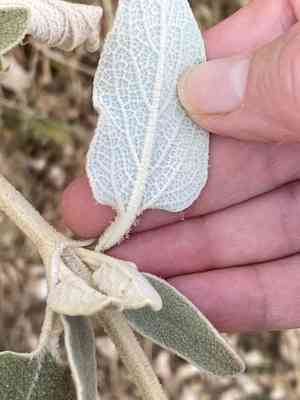
Quickly Identify Shrubby jerusalem sage
1
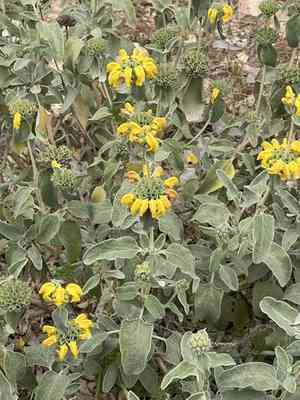
Lance-shaped, woolly-gray leaves with white undersides, 2-3 inches (5-7.5 cm) long.
2
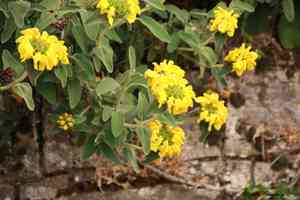
Radiant lemon-yellow flowers in distinct whorls on erect stems, 1 inch (2.5 cm) long.
3
Multi-stemmed, woody base transitioning to herbaceous, dense white-hairy stems, 0.4-1 inch (1-2.5 cm) diameter.
4
Golden yellow tubular flowers arranged in tiers with no fragrance, forming clusters of 20 blooms.
5
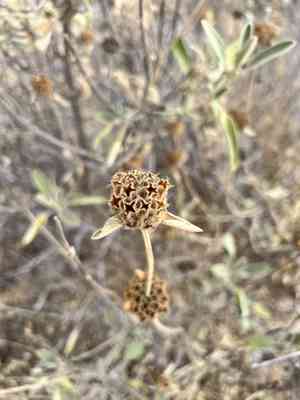
Small brown capsules less than 1 inch (2.54 cm) long, emerging in late summer to autumn season.
Scientific Classification of Shrubby jerusalem sage
Phylum
Vascular plants
Class
Dicotyledons
Order
Mints plantains olives and allies
Family
Mint
Genus
Jerusalem sage
Species
Shrubby jerusalem sage
Planting and Growing of Shrubby jerusalem sage
Care Difficulty
Easy
Watering Schedule
Every 2 days
Sunlight Requirements
Full sun
Sunshine Duration
10-12 hours
Ideal Temperature
60-75℉
Soil Type
Potting Mix, Peat Mix
Soil pH
6.5-7.5
Fertilizer Type
Balanced
Pruning Season
Spring, Summer
Pruning Area
Branches, Leaves
Pruning Frequency
2 times a year
Repotting Season
Spring
Pot Type
Plastic, Ceramic
 How to Water Shrubby jerusalem sage?
When watering Phlomis fruticosa, it's crucial to ensure that the soil is thoroughly moistened but not waterlogged. Approximately 250 ml of water should be adequate per watering session, depending on the size of the plant and the current environmental conditions. The goal is to moisten the soil up to a depth of around 15 cm, which encourages root growth and prevents the roots from sitting in excess water.
More About Watering Techniques→
What are the symptoms of an underwatered Shrubby jerusalem sage?
›
What should I do if my Shrubby jerusalem sage is not getting enough water?
›
What are the symptoms of an overwatered Shrubby jerusalem sage?
›
How to save an overwatered Shrubby jerusalem sage?
›
 What Are the Sunlight Requirements for Shrubby jerusalem sage?
Phlomis fruticosa prefers full sun, which provides the necessary energy for optimal flowering and vigorous growth. Adequate sunlight ensures a robust and colorful display of foliage and flowers, enhancing its aesthetic appeal.
More About Sunlight Requirements Techniques→
What is the best natural setting?
›
How to ensure optimal lighting indoors?
›
What signs indicate optimal lighting?
›
 What Is the Ideal Temperature Range for Shrubby jerusalem sage?
The ideal temperature range for Phlomis fruticosa, also known as Jerusalem Sage, is between 60°F and 75°F. This range provides the optimal conditions for growth and flowering, mimicking the plant's native Mediterranean climate. At these temperatures, the plant can efficiently perform photosynthesis, leading to healthy growth and vibrant blooms.
 What Soil is Best for Shrubby jerusalem sage?
Phlomis fruticosa thrives in well-drained soils that prevent waterlogging. Efficient drainage enhances the plant's root health by ensuring that excess water does not accumulate, thus preventing root rot. Though Phlomis fruticosa is not overly demanding on nutrients, a balanced, moderately fertile soil supports healthy foliage and robust flowering. Nutrient-rich soils provide essential minerals that enhance growth and vitality. This plant favors a crumbly, well-aerated soil structure that allows roots to penetrate easily and promotes optimal root development. A loose structure enhances aeration and nutrient uptake.
More About Soil→
 How to Fertilize Shrubby jerusalem sage?
When fertilizing Phlomis fruticosa, use approximately half to one tablespoon of balanced liquid fertilizer per gallon of water. Ensure the fertilizer is diluted properly to avoid over-fertilization, which could harm the plant.
More About Fertilizing Techniques→
 How to Prune Shrubby jerusalem sage?
Start by cutting away any dead, diseased, or damaged wood to encourage new growth and improve airflow. This step is critical for maintaining a healthy plant and preventing diseases. Trim back overgrown branches to maintain a neat and desirable shape. Phlomis fruticosa tends to grow woody at the base, so shaping keeps it looking bushy and attractive. Consider cutting back the height of the plant to stimulate denser growth and control its overall size. This is particularly important if the plant becomes too leggy or overgrown.
More About Pruning Techniques→
 How to Propagate Shrubby jerusalem sage plant?
1
To propagate via seeds, start by soaking the seeds in water for 24 hours. Sow them in seed starting trays filled with a well-draining mix. Ensure consistent moisture without waterlogging.
2
Select a healthy, non-flowering stem and cut a section about 12 cm long. Remove the lower leaves and dip the cut end in rooting hormone before planting it in a potting mix.
3
Carefully dig up the plant and divide the root ball into sections. Ensure each section has a part of the root system and several stems. Replant in desired locations promptly.
 How to Repot Shrubby jerusalem sage plant?
1
Phlomis fruticosa shows signs of needing repotting when roots start peeking out of the drain holes or when growth seems stunted despite proper care. The best timing is during early spring or autumn, when the plant is neither in dormancy nor in full bloom, allowing it to establish itself in new soil comfortably.
2
Choosing a pot with adequate drainage and slightly larger than the current one is crucial. A pot that is too large can cause waterlogging and root rot, while one that's too small can stunt growth. A clay or terracotta pot is often ideal as it allows breathability, preventing excessive moisture retention.
3
The soil for Phlomis fruticosa should be well-draining, with a mix of sandy loam to mimic its natural habitat. This type of soil prevents water accumulation and provides the roots with the necessary aeration, contributing to the plant's robust health and vibrant growth.
Learn More About Shrubby jerusalem sage Diseases
Anthracnose
Bacterial Leaf Spot
Bacterial Soft Rot
Bacterial Wilt
Black Spot
Chemical Injury
Crown Gall
Cyst Nematode
Damping-off
Downy Mildew
Drought Stress
Fusarium Wilt
Gray Mold
Leaf Curl
Leaf Spot
Mosaic
Nutrient Deficiency
Nutrient Toxicity
Powdery Mildew
Root Rot
Root-knot Nematode
Rusts
Sooty Mold
Spider Mites
Temperature Stress
Thrips Damage
White Mold



