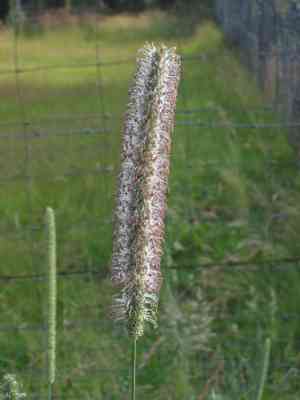
Timothy (Phleum) (Phleum)
Also known as: Timothy-grass, Meadow cat's-tail
Timothy grass, belonging to the genus Phleum, is native to temperate regions, particularly Europe, and has naturalized in North America. It serves as a crucial food source for grazing livestock. Unfortunately, the reduction in meadow habitats has put this important grass under threat.
In This Article
Attributes of Timothy (Phleum)
Lifespan
Perennial
Plant Height
50-150 cm
Spread
Not applicable
Leaf Color
Green
Flower Size
0.5-1 cm
Flower Color
Green to purplish
Images of Timothy (Phleum)
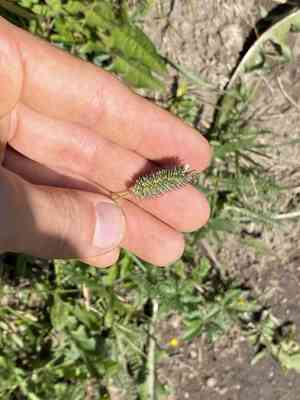
Quickly Identify Timothy (Phleum)
1
Timothy-grass can be identified by its cylindrical, spike-like flower heads that resemble a cat\'s tail, its long, slender leaves, and its preference for cool, temperate climates.
Scientific Classification of Timothy (Phleum)
Phylum
Magnoliophyta
Class
Liliopsida
Order
Poales
Family
Poaceae
Genus
Phleum
Planting and Growing of Timothy (Phleum)
Care Difficulty
Easy
Watering Schedule
Every 4 days
Sunlight Requirements
Full sun
Sunshine Duration
6-10 hours
Ideal Temperature
50-77℉
Soil Type
Potting Mix, Peat Mix
Soil pH
6.5-7.5
Fertilizer Type
Balanced
Pruning Season
Spring, Summer
Pruning Area
Branches, Leaves
Pruning Frequency
2 times a year
Repotting Season
Spring
Pot Type
Plastic, Ceramic
 How to Water Timothy (Phleum)?
The watering amount for Phleum should adhere to ensuring that the soil remains consistently moist but not waterlogged. Use approximately 200 ml of water per watering session. Pour water evenly across the soil until it starts to seep out of the drainage holes at the bottom of the pot. This ensures the water reaches the root zone effectively without oversaturating the plant.
What are the symptoms of an underwatered Timothy (Phleum)?
›
What should I do if my Timothy (Phleum) is not getting enough water?
›
What are the symptoms of an overwatered Timothy (Phleum)?
›
How to save an overwatered Timothy (Phleum)?
›
 What Are the Sunlight Requirements for Timothy (Phleum)?
Phleum thrives best between full sun and partial sun conditions, optimizing photosynthesis and promoting lush foliage. Ideal lighting supports cellular activities, strengthening the plant’s health and yield.
What are the ideal light conditions for Phleum?
›
How can you provide the ideal light for Phleum?
›
What benefits does ideal lighting offer Phleum?
›
 What Is the Ideal Temperature Range for Timothy (Phleum)?
For optimal growth, Phleum thrives in temperatures ranging from 50°F to 77°F. This range ensures that the plant's metabolic processes, such as photosynthesis and respiration, occur efficiently. When temperatures remain within this range, Phleum can maximize nutrient uptake and growth, leading to a healthier and more vibrant plant. Cultivating Phleum in these conditions helps prevent stress-related issues that may arise in unfamiliar temperature settings.
 What Soil is Best for Timothy (Phleum)?
Phleum thrives best in nutrient-rich soils, as these provide essential minerals and vitamins that aid in robust growth and development, ensuring healthy, stable plants. This plant requires well-drained soil to prevent root rot and encourage strong root systems. Good drainage ensures that excess water moves away from the root zone efficiently. While drainage is important, Phleum also benefits from soil that can retain some moisture, offering a perfect balance that supports its growth cycle during dry spells.
 How to Fertilize Timothy (Phleum)?
For Phleum, apply a balanced fertilizer at a rate of 1 pound per 100 square feet. The nutrients should be evenly distributed to prevent over-fertilizing any specific area. Mixing controlled-release fertilizers ensures nutrients are available over time.
 How to Prune Timothy (Phleum)?
Using sharp shears, trim the grass blades to about half their height. This helps to refine the plant's shape and remove any damaged tips, invigorating growth by redirecting energy back into the roots and remaining foliage. Inspect the grass for any dead or yellowing stalks. These should be carefully clipped away at the base to prevent disease spread and to allow new growth to develop without competition for resources.
 How to Propagate Timothy (Phleum) plant?
1
Fill the seed tray with your chosen potting mix, lightly pressing down to eliminate air pockets. Ensure the surface is level to allow even germination of seeds.
2
Sprinkle Phleum seeds evenly across the surface of the soil. Lightly cover the seeds with a thin layer of potting mix, no more than 1/4 inch deep, to protect them.
3
Gently water the seeds with a fine mist to avoid dislodging them. Maintain consistent moisture but avoid waterlogging. Place the seed tray in a warm, bright location but out of direct sunlight.
 How to Repot Timothy (Phleum) plant?
1
For Phleum, repotting is essential when the plant outgrows its pot, evident by roots visible at the drainage holes, or when growth becomes sluggish despite optimal care. Repotting in early spring or early summer allows it to settle in before active growth.
2
Choose a pot that is 1-2 inches larger in diameter than the current one. Ensure it has good drainage to avoid waterlogging. This ensures Phleum's roots have ample space to expand, reducing the risk of root rot while promoting healthier, vigorous growth.
3
Opt for a loamy, well-draining soil mix, perhaps mixed with sand or perlite for added aeration. This ensures proper aeration and moisture drainage, replicating the Phleum's natural habitat and supporting robust growth and nutrient uptake.

