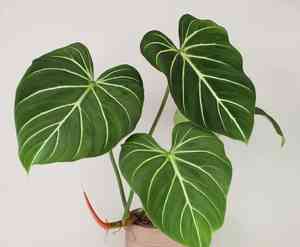
Black gold philodendron (Philodendron melanochrysum)
Also known as: Black Gold Philodendron, Melano
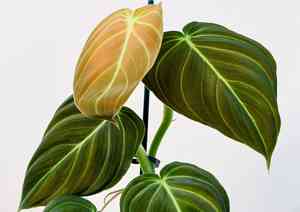
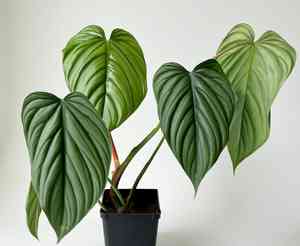
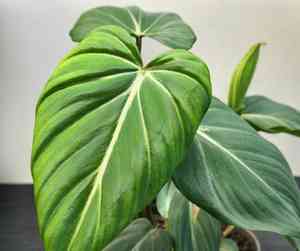
A vining variety of philodendron, black gold philodendron makes a striking houseplant with its long, dark green leaves with a velvety texture and pale, distinctive veins. Black gold philodendron grows best in indirect light and warm temperatures.
Attributes of Black gold philodendron
Images of Black gold philodendron
Quickly Identify Black gold philodendron
Scientific Classification of Black gold philodendron
Planting and Growing of Black gold philodendron
 How to Water Black gold philodendron?
 What Are the Sunlight Requirements for Black gold philodendron?
 What Is the Ideal Temperature Range for Black gold philodendron?
 What Soil is Best for Black gold philodendron?
 How to Fertilize Black gold philodendron?
 How to Prune Black gold philodendron?
 How to Propagate Black gold philodendron plant?
 How to Repot Black gold philodendron plant?
Toxicity of Black gold philodendron
Is Black gold philodendron toxic to humans?
The black gold philodendron presents a mild toxicity risk to humans if ingested. All parts of the plant contain calcium oxalate, which can lead to poisoning upon consumption. If individuals inadvertently consume portions of the black gold philodendron, they might experience various symptoms such as oral irritation, a burning sensation in the mouth and throat, difficulties in swallowing, and potential swelling of the oral cavity and digestive system. In more severe instances, these symptoms could escalate to vomiting and diarrhea. It is crucial for individuals, particularly those with children or pets, to recognize the possible dangers and take precautions to avoid accidental ingestion of any part of the black gold philodendron.
Is Black gold philodendron toxic to cat?
The black gold philodendron presents a potential hazard of mild toxicity to cats when consumed. Felines might inadvertently ingest certain sections of the plant, which are known to contain calcium oxalate crystals. This ingestion can result in various physical ailments and discomforts, such as oral irritation, increased salivation, vomiting, and difficulty in swallowing. It's imperative for cat owners to recognize that every portion of the black gold philodendron is deemed toxic and could inflict distress upon their pets. Prompt veterinary care is critical if there is any suspicion that a cat has ingested any part of the black gold philodendron. Swift intervention is essential to alleviate symptoms and safeguard the cat's health.
Is Black gold philodendron toxic to dog?
The black gold philodendron is recognized as possessing mild toxicity for dogs. If a dog inadvertently consumes any section of this plant, it risks poisoning due to the presence of calcium oxalate found in its tissues. Symptoms that may emerge after a dog has ingested parts of black gold philodendron include oral irritation, excessive saliva production, vomiting, and challenges with swallowing. Given that the entire plant contains this toxic substance, it is essential for pet owners to keep their dogs away from or prevent them from chewing on any part of the black gold philodendron. Should a dog ingest this plant, seeking immediate veterinary care is crucial to ensure appropriate treatment and management of the ensuing symptoms.



