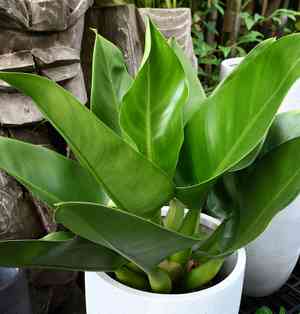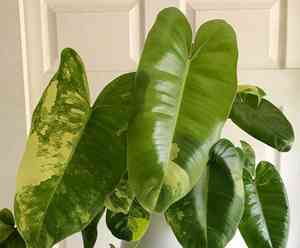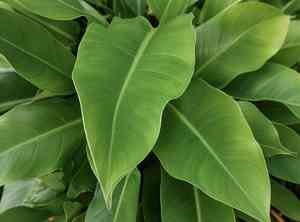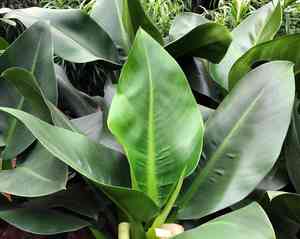
Philodendron Fat Boy(Philodendron martianum)

Philodendron Fat Boy (Philodendron martianum)

Also known as: Von Martius' Philodendron

An epiphyte with unusual qualities, philodendron Fat Boy can grow large enough to weigh down the trees it grows on. If its supporting tree falls, however, this plant can easily root in soil, where it often grows larger and faster than it did before. It has caught on as a houseplant, but potted specimens often remain smaller than those grown naturally.

Attributes of Philodendron Fat Boy

Lifespan
Perennial
Plant Type
Herb
Plant Height
30 cm to 61 cm
Spread
60 cm to 90 cm
Leaf Color
Green
Flower Size
5 to 10 cm (2 to 4 inches)
Flower Color
White

ForwardPlant - Identify plants with a snap

Identify and diagnose plants, get toxicity alerts, and explore safety guides for all types of fungi.

Try for Free

Images of Philodendron Fat Boy

Philodendron Fat Boy(Philodendron martianum)

Quickly Identify Philodendron Fat Boy

1
Look for its unique swollen petioles and broad, glossy, dark green leaves. The plant has thick roots that are sometimes visible above the soil.

Scientific Classification of Philodendron Fat Boy

Phylum
Vascular plants
Class
Monocotyledons
Order
Alismatales
Family
Arum
Genus
Philodendrons
Species
Philodendron Fat Boy

Planting and Growing of Philodendron Fat Boy

Care Difficulty
Easy
Watering Schedule
Every 3 days
Sunlight Requirements
Partial sun
Sunshine Duration
4-8 hours
Ideal Temperature
65-77℉
Soil Type
Potting Mix, Peat Mix
Soil pH
6-7.5
Fertilizer Type
Balanced
Pruning Season
Spring, Summer
Pruning Area
Branches, Leaves
Pruning Frequency
Once a year
Repotting Season
Spring
Pot Type
Plastic, Ceramic

water icon How to Water Philodendron Fat Boy?

Water Philo Martianum until you see a trickle from the drainage holes. This ensures thorough soaking, promoting healthy root growth. Aim for approximately 250 ml per session, but adjust based on pot size and plant demand.
What are the symptoms of an underwatered Philodendron Fat Boy?
What should I do if my Philodendron Fat Boy is not getting enough water?
What are the symptoms of an overwatered Philodendron Fat Boy?
How to save an overwatered Philodendron Fat Boy?

sunlight icon What Are the Sunlight Requirements for Philodendron Fat Boy?

Sunlight Requirements: Partial sun, Full shade
Duration of light: 4 to 6 hours
Partial sun is ideal, offering a balance of indirect light that facilitates healthy growth and vibrant foliage. This environment minimizes stress and enhances photosynthetic efficiency, aligning with its natural habitat conditions.
What is the ideal lighting for Philodendron martianum?
How to achieve ideal lighting conditions indoors?
What are the benefits of ideal lighting for Philodendron martianum?
More About Sunlight Requirements Techniques

temperature icon What Is the Ideal Temperature Range for Philodendron Fat Boy?

Ideal Temperature: 65 ~ 77℉
For optimal growth, Philodendron martianum thrives in a temperature range of 65°F to 77°F. Within this range, the plant can efficiently carry out photosynthesis and other metabolic processes, ensuring healthy growth and vibrant foliage. Consistency in temperature is key as sudden fluctuations might stress the plant, impacting its overall health.

soil icon What Soil is Best for Philodendron Fat Boy?

Soil type: Loam, Peat soil, Sandy loam
Soil PH: 6 ~ 7.5
Philodendron martianum thrives in nutrient-rich soil that supports its rapid growth. A well-balanced mix of organic matter ensures the plant has constant access to essential nutrients, supporting its lush foliage and robust stem growth. Well-draining soil is crucial to prevent waterlogging, which can lead to root rot. A mix with adequate aeration allows excess water to escape while retaining necessary moisture, ensuring healthy root systems. The soil should consistently remain moist but not overly wet, as the plant loves humidity but not soggy conditions. Maintaining moist soil helps the plant maintain hydration and supports its tropical nature.

fertilize icon How to Fertilize Philodendron Fat Boy?

Fertilizer type: Balanced
For Philodendron martianum, maintaining a balanced nutrient supply is crucial. A diluted solution is recommended for liquid fertilizers, using half the strength indicated by the manufacturer. Use approximately 1/4 cup per plant every two weeks during the growing season. Over-fertilization can lead to salt burn, affecting the plant's health adversely.

prune icon How to Prune Philodendron Fat Boy?

Pruning Time: Spring, Summer, Autumn
Begin by identifying any dead, damaged, or overgrown leaves and stems. Look for yellowed or browning leaves as well as any stems that are sprawling too much for your liking. When cutting, make sure your cuts are clean and angled just above a leaf node. This will not only prevent unwanted disease but also encourage new growth in the intended areas. If stems are getting too long, cut them back to keep your plant full and dense. This helps in maintaining its desirable appearance and ensures that the plant is not expending too much energy on unnecessary length. Ensure that all removed plant material is cleaned up and disposed of. Decaying leaves or stems can become breeding grounds for pests and diseases if left near your plant. More About Pruning Techniques

propagate icon How to Propagate Philodendron Fat Boy plant?

Propagate Time: Spring, Early summer
1
Choose a healthy, mature stem from the parent plant that is free from diseases or pest infestations. Ensure the stem is at least 4-6 inches longer with a few nodes present, as nodes are crucial for both roots and leaf development.
2
Using sterilized shears, make a diagonal cut about 1/4 inch below a node. Remove any leaves near the base of the cutting as it helps prevent rotting when placed in the growing medium.
3
Place the cutting in a pot filled with a well-draining potting mix, such as a mixture of perlite and peat. Firm the soil and water gently to ensure even moisture around the cutting.
More About Propagating Techniques

repot icon How to Repot Philodendron Fat Boy plant?

Repotting frequency: Every 2-3 years
1
Philodendron martianum needs repotting when roots protrude from drainage holes, soil dries rapidly, or growth visibly slows. These indicate the plant is root-bound and requires more space to thrive.
2
Select a pot 1-2 inches larger in diameter than the old one, with drainage holes to prevent water-logging. A slightly bigger space encourages root growth without overwhelming the plant, balancing stability and scalability.
3
Opt for a mix containing peat, perlite, and orchid bark. This combination offers excellent drainage, mimicking natural tropical conditions and providing ample airflow to prevent root rot while retaining necessary moisture.

ForwardPlant - Identify plants with a snap

Find the best spots for them to optimize their health, simply using your phone.

Try for Free

Toxicity of Philodendron Fat Boy

Is Philodendron Fat Boy toxic to humans?

Philodendron Fat Boy carries a slight toxicity risk to humans if ingested. The entirety of this plant contains calcium oxalate, which can cause poisoning when consumed. If parts of the philodendron Fat Boy are unintentionally ingested, the calcium oxalate crystals may trigger a range of unpleasant symptoms. Affected individuals might feel a burning sensation in their mouth and throat, experience swelling of the lips, tongue, and tissues of the oral cavity, which can subsequently lead to difficulties in swallowing. Moreover, contact with the gastrointestinal mucosa frequently results in nausea, vomiting, and diarrhea. Therefore, it is essential to exercise caution around philodendron Fat Boy to avoid accidental ingestion, particularly in households with young children or pets.

Is Philodendron Fat Boy toxic to cat?

Philodendron Fat Boy presents a low level of toxicity risk to cats. In the case of accidental ingestion, a range of physical discomforts may occur. Typical symptoms involve irritation of the mouth, pain, and swelling in both the mouth and throat, along with potential challenges in swallowing. The complete plant is composed of calcium oxalate crystals, which are the toxic agents responsible for these effects. It is essential for cat owners to quickly seek veterinary assistance if they suspect their pet has ingested any part of this plant to safeguard their pet's health and well-being.

Is Philodendron Fat Boy toxic to dog?

The philodendron Fat Boy is recognized as having mild toxicity for dogs. When dogs accidentally consume any part of this plant, they may experience poisoning due to the presence of calcium oxalate distributed throughout the plant. After ingesting philodendron Fat Boy, a dog may show symptoms including oral irritation, excessive drooling, vomiting, and difficulty swallowing. These symptoms can occur from even minimal amounts ingested and require immediate intervention. Therefore, it is crucial for dog owners to restrict access to philodendron Fat Boy and to seek veterinary attention promptly if their pet displays any distress after being exposed to or consuming the plant.

Identify toxic plants for your safety

Learn which plants are harmful to you and your pets, and make informed choices for a safer home!

Try for Free
WARNING
The judgment on toxicity and danger is for reference only. We DO NOT GUARANTEE any accuracy of such judgment. Therefore, you SHALL NOT rely on such judgment. It is IMPORTANT TO SEEK PROFESSIONAL ADVICE in advance when necessary.
More About Toxic Techniques