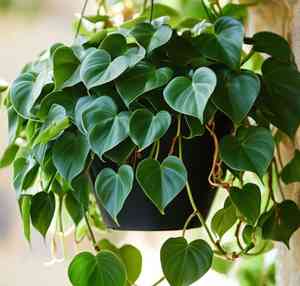
Heartleaf philodendron (Philodendron hederaceum)
Also known as: Velvet leaf philodendron
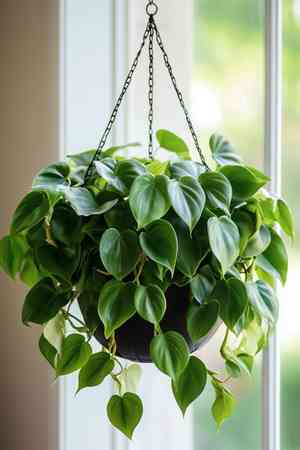
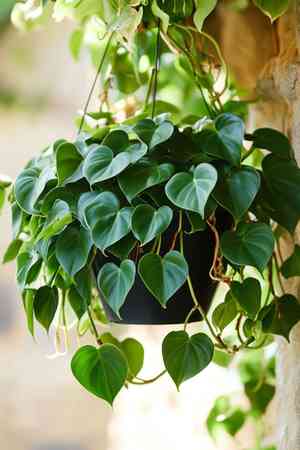
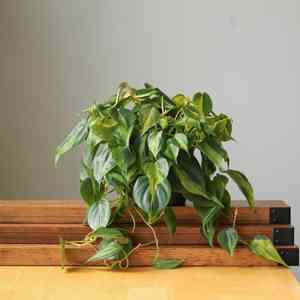
The Heartleaf Philodendron, or Philodendron hederaceum, is an evergreen climber native to the West Indies. It's a popular houseplant, recognized for its shiny, heart-shaped leaves. Due to the presence of calcium oxalate crystals, it can be mildly toxic if ingested.
Attributes of Heartleaf philodendron
Images of Heartleaf philodendron
Quickly Identify Heartleaf philodendron
Scientific Classification of Heartleaf philodendron
Planting and Growing of Heartleaf philodendron
 How to Water Heartleaf philodendron?
 What Are the Sunlight Requirements for Heartleaf philodendron?
 What Is the Ideal Temperature Range for Heartleaf philodendron?
 What Soil is Best for Heartleaf philodendron?
 How to Fertilize Heartleaf philodendron?
 How to Prune Heartleaf philodendron?
 How to Propagate Heartleaf philodendron plant?
 How to Repot Heartleaf philodendron plant?
Toxicity of Heartleaf philodendron
Is Heartleaf philodendron toxic to humans?
Although the heartleaf philodendron is a favored indoor plant, it poses a significant risk due to its toxicity upon ingestion, with every part of the plant leading to typical poisoning symptoms in both humans and animals.
Is Heartleaf philodendron toxic to cat?
The Heartleaf philodendron is recognized as a toxic plant for felines. Even minimal ingestion can result in poisoning, as every component of this plant harbors harmful substances. Cats might inadvertently nibble on or ingest sections of the heartleaf philodendron, potentially resulting in physical distress. To protect their cats' well-being, pet owners must be acutely aware of this plant's existence and ensure it remains inaccessible. Should poisoning occur, it is imperative to promptly consult a veterinarian for medical assistance.
Is Heartleaf philodendron toxic to dog?
The Heartleaf philodendron is recognized as toxic to dogs. If dogs consume any part of this plant, whether inadvertently or out of curiosity, they may experience poisoning. Every component of the plant is harmful, meaning that all sections present a danger if ingested by a canine friend. Signs of toxicity can include vomiting, diarrhea, excessive pawing at the face or mouth, increased salivation, and in serious situations, trouble breathing or swallowing. It is essential for dog owners to keep a vigilant eye on their pets and restrict their access to heartleaf philodendron. If a dog does eat any part of heartleaf philodendron, it is vital to seek urgent veterinary assistance to ensure the best possible outcome for the animal.



