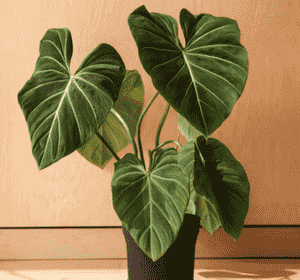
Philodendron gloriosum (Philodendron gloriosum)
Also known as: Velvet leaf philodendron
Philodendron gloriosum, known for its creeping growth pattern, prefers a loose, well-draining soil mixture. Ideal components include peat moss, perlite, orchid bark, and compost to ensure moisture retention without waterlogging. This plant is relatively easy to cultivate but is toxic to both humans and pets, so it's important to keep it out of reach of children and animals.
Attributes of Philodendron gloriosum
Images of Philodendron gloriosum
Quickly Identify Philodendron gloriosum
Scientific Classification of Philodendron gloriosum
Planting and Growing of Philodendron gloriosum
 How to Water Philodendron gloriosum?
 What Are the Sunlight Requirements for Philodendron gloriosum?
 What Is the Ideal Temperature Range for Philodendron gloriosum?
 What Soil is Best for Philodendron gloriosum?
 How to Fertilize Philodendron gloriosum?
 How to Prune Philodendron gloriosum?
 How to Propagate Philodendron gloriosum plant?
 How to Repot Philodendron gloriosum plant?
Toxicity of Philodendron gloriosum
Is Philodendron gloriosum toxic to humans?
Philodendron gloriosum exhibits a mild toxicity level in humans, primarily due to accidental ingestion. The entire plant contains calcium oxalate, which is responsible for its toxic characteristics. When any part of Philodendron gloriosum is ingested, the calcium oxalate can provoke various symptoms. Affected individuals may endure a burning sensation in the mouth and throat, along with swelling of the lips, tongue, and tissues within the oral cavity, potentially leading to difficulties in swallowing. Furthermore, exposure to the eyes can cause severe pain and inflammation. Gastrointestinal issues, such as nausea, vomiting, and diarrhea, are also frequently reported following the consumption of any portion of Philodendron gloriosum. It is crucial for individuals, particularly those with children or pets, to recognize the plant's toxic dangers and take measures to avoid accidental ingestion.
Is Philodendron gloriosum toxic to cat?
Philodendron gloriosum presents a mild risk of toxicity to felines. If a cat consumes any portion of the plant, as toxins are present throughout, it may exhibit uncomfortable symptoms. The main toxic component found in philodendron gloriosum is calcium oxalate, which may result in signs of physical distress. If there is any suspicion of a cat having ingested philodendron gloriosum, immediate veterinary care is vital, as timely intervention is critical for the pet's health and welfare.
Is Philodendron gloriosum toxic to dog?
Philodendron gloriosum carries a mild toxicity threat for dogs. If dogs inadvertently consume any part of this plant, they may face poisoning risks due to the presence of calcium oxalate crystals found throughout the plant's tissues. Poisoning symptoms in dogs can include oral irritation, excessive drooling, vomiting, and trouble swallowing. It is vital for dog owners to remain alert and prevent their pets from eating philodendron gloriosum. Should a dog ingest philodendron gloriosum, it is essential to obtain prompt veterinary attention to administer appropriate treatment and manage the symptoms effectively.



