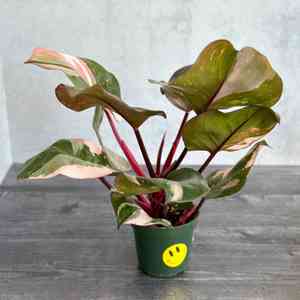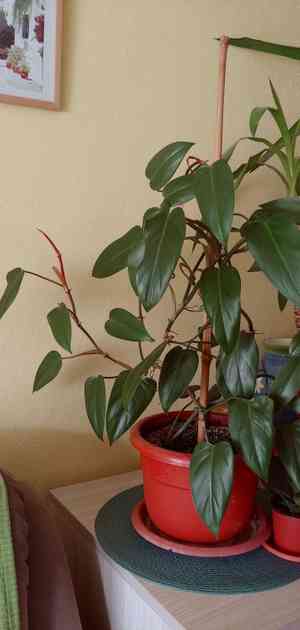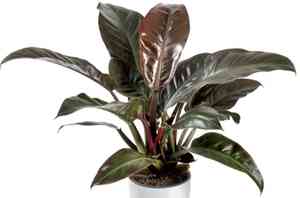
Blushing philodendron(Philodendron erubescens)

Blushing philodendron (Philodendron erubescens)

Also known as: Philodendron, Red emerald philodenron

Blushing philodendron (Philodendron erubescens) is a climbing evergreen plant that is commonly cultivated as a houseplant. Blushing philodendron is a preferable houseplant because it does not need much regular maintenance. Mature species sometimes produce a reddish-purple flower. This species cannot tolerate lower temperatures.

Attributes of Blushing philodendron

Lifespan
Perennial
Plant Type
Vine, Herb
Plant Height
2.5 m to 4 m
Spread
50 cm to 1 m
Leaf Color
Green Purple
Flower Size
Small, not typically measured as they are inconspicuous
Flower Color
Purple White Red

ForwardPlant - Identify plants with a snap

Identify and diagnose plants, get toxicity alerts, and explore safety guides for all types of fungi.

Try for Free

Images of Blushing philodendron

Blushing philodendron(Philodendron erubescens)

Quickly Identify Blushing philodendron

1
Identification of Philodendron erubescens can be done by observing its large, heart-shaped leaves that exhibit a reddish hue in their young stage and turn dark green as they mature. The plant's climbing habit and the presence of aerial roots are also distinctive characteristics.

Scientific Classification of Blushing philodendron

Phylum
Vascular plants
Class
Monocotyledons
Order
Alismatales
Family
Arum
Genus
Philodendrons
Species
Blushing philodendron

Planting and Growing of Blushing philodendron

Care Difficulty
Easy
Watering Schedule
Every 3 days
Sunlight Requirements
Partial sun
Sunshine Duration
6-8 hours
Ideal Temperature
65-80℉
Soil Type
Potting Mix, Peat Mix
Soil pH
6.5-7.5
Fertilizer Type
Balanced
Pruning Season
Spring, Summer
Pruning Area
Branches, Leaves
Pruning Frequency
2 times a year
Repotting Season
Spring
Pot Type
Plastic, Ceramic

water icon How to Water Blushing philodendron?

For Philodendron erubescens, ensure the soil remains consistently moist, without being waterlogged. Water lightly but thoroughly, allowing water to drain from the pot's base, ensuring that excess is not left in the saucer.
What are the symptoms of an underwatered Blushing philodendron?
What should I do if my Blushing philodendron is not getting enough water?
What are the symptoms of an overwatered Blushing philodendron?
How to save an overwatered Blushing philodendron?
More About Watering Techniques

sunlight icon What Are the Sunlight Requirements for Blushing philodendron?

Sunlight Requirements: Partial sun
Duration of light: 3 to 6 hours
Philodendron erubescens thrives in partial sun, reaping benefits such as lush foliage and vigorous growth due to sufficient light exposure for photosynthesis, while avoiding leaf damage.
What is the best lighting condition?
How can I achieve the ideal light?
What are the benefits of ideal light?
More About Sunlight Requirements Techniques

temperature icon What Is the Ideal Temperature Range for Blushing philodendron?

Ideal Temperature: 65 ~ 80℉
Philodendron erubescens thrives best within a temperature range of 65°F to 80°F. This range ensures optimal growth and health, mimicking their natural tropical habitat. Maintaining this temperature allows for proper metabolic and physiological functions, supporting robust foliage and root development.

soil icon What Soil is Best for Blushing philodendron?

Soil type: Loam, Sandy loam, Peat soil
Soil PH: 6.5 ~ 7.5
Philodendron erubescens thrives in soil that is abundant in organic matter, which provides essential nutrients for vigorous growth. This nutrient-rich environment enhances the plant’s vibrant foliage and overall health, enabling it to achieve its full aesthetic potential. Well-draining soil is crucial for Philodendron erubescens to prevent root rot by allowing excess water to escape. This property ensures roots remain healthy and oxygenated, promoting robust plant growth and reducing disease risk. Soil that maintains consistent moisture is ideal for Philodendron erubescens, as it mimics its native tropical environment. By ensuring adequate moisture levels, the plant's turgidity and vibrant leaf structure are maintained. More About Soil

fertilize icon How to Fertilize Blushing philodendron?

Fertilizer type: Balanced
For Philodendron erubescens, it's recommended to use a balanced, water-soluble fertilizer with a ratio of 20-20-20 during the growing season. Apply at half the recommended rate on the package to avoid over-fertilization. This means diluting the liquid fertilizer by mixing 10 grams with 4 liters of water, which ensures nutrients are available without overwhelming the plant. More About Fertilizing Techniques

prune icon How to Prune Blushing philodendron?

Pruning Time: Spring, Summer
To prune your Philodendron erubescens, use sterilized, sharp scissors or pruning shears. Start by identifying any dead or yellowing leaves and gently snip them off at the base. For reshaping, trim the overgrown stems just above a leaf node to encourage new growth. Remember to remove any unwanted vines to maintain the plant's desired shape. To encourage bushier growth, trim the stems just above a leaf node where the leaves join the stem. This cutting method stimulates the plant to produce new side shoots, creating a fuller appearance. Perform this pruning regularly during the growing seasons for the best results. More About Pruning Techniques

propagate icon How to Propagate Blushing philodendron plant?

Propagate Time: Spring, Late spring, Early spring, Summer
1
Choose a healthy stem from the parent plant that is free of pests and diseases. The stem should be at least 4-6 inches in length and have a few nodes, as these nodes are where roots will develop. Ensure the plant is hydrated a day before taking the cutting to reduce stress.
2
Using the sterile knife or scissors, make a clean cut just below a node. The cutting should be sharp to minimize damage to the stem. Removing excess leaves from the bottom half of the cutting can help focus the plant's energy on root development.
3
Place the cutting in a pot with fresh potting mix, ensuring that the node is slightly buried beneath the soil surface. Water the cutting lightly and place the pot in a warm, humid location with indirect light. It is important to maintain consistent moisture without allowing the soil to become soggy.
More About Propagating Techniques

repot icon How to Repot Blushing philodendron plant?

Repotting frequency: Every 1-2 years
1
Repot your Philodendron erubescens when you notice roots circling the bottom of the pot or growing out of drainage holes. Other signals include slowed growth or soil that dries out too quickly.
2
Select a pot that is 2 inches larger in diameter than the current one. A slightly larger pot gives the roots room to spread without oversaturating the soil, which helps prevent root rot.
3
Choose a well-draining and airy soil mix to ensure roots have access to both moisture and adequate airflow. This helps prevent the risks of waterlogging and root suffocation.
More About Repotting Techniques

ForwardPlant - Identify plants with a snap

Find the best spots for them to optimize their health, simply using your phone.

Try for Free

Toxicity of Blushing philodendron

Is Blushing philodendron toxic to humans?

The risk of poisoning from blushing philodendron primarily arises from the unintentional ingestion of the plant. While calcium oxalate, the toxic substance, is predominantly found in the leaves and stems, all sections of the plant exhibit mild toxicity. Ingesting any part of the plant can lead to varying degrees of illness, ranging from mild symptoms to severe reactions, including vomiting and irritation of the mouth, throat, and digestive system. Additionally, the toxins present in blushing philodendron may interact with other medications in the body, potentially resulting in adverse side effects. Often found as a houseplant, blushing philodendron poses an increased risk of accidental consumption, particularly in children.

Is Blushing philodendron toxic to cat?

The blushing philodendron is regarded as poisonous to cats, as every part of the plant presents a danger. Should a cat mistakenly consume any section of the blushing philodendron, it could exhibit signs of physical distress or sickness, which, although not elaborated upon here, are indicative of toxicity and necessitate urgent attention. If you believe your cat has ingested this plant, it is essential to obtain treatment at a veterinary clinic without delay to safeguard their health and well-being.

Is Blushing philodendron toxic to dog?

The blushing philodendron is regarded as toxic to dogs. If a dog consumes any part of this plant, since all sections are harmful, it may result in poisoning. Dogs might inadvertently eat blushing philodendron out of curiosity or if they come into contact with it in their surroundings. Signs of poisoning in dogs can include vomiting, diarrhea, pawing at the face or mouth, excessive drooling, and challenges in swallowing. It is essential for dog owners to be attentive and to keep their pets away from blushing philodendron. Should a dog ingest this plant, it is vital to seek prompt veterinary assistance to secure the best possible outcome for the animal.

Identify toxic plants for your safety

Learn which plants are harmful to you and your pets, and make informed choices for a safer home!

Try for Free
WARNING
The judgment on toxicity and danger is for reference only. We DO NOT GUARANTEE any accuracy of such judgment. Therefore, you SHALL NOT rely on such judgment. It is IMPORTANT TO SEEK PROFESSIONAL ADVICE in advance when necessary.
More About Toxic Techniques