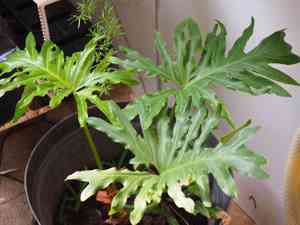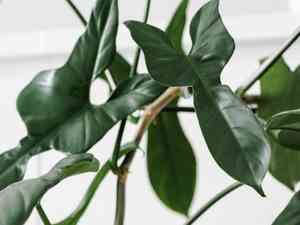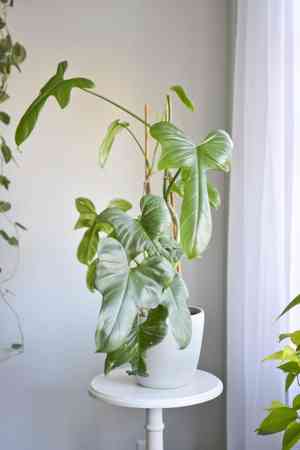
Philodendron bipennifolium(Philodendron bipennifolium)

Philodendron bipennifolium (Philodendron bipennifolium)

Also known as: Fiddle leaf philodendron, Horsehead Philodendron

Philodendron bipennifolium is a popular houseplant known for its uniquely shaped leaves that resemble a horse's head or a fiddle. It is a tropical perennial that thrives in shaded environments, making it an excellent plant for indoor gardening.

Attributes of Philodendron bipennifolium

Lifespan
Philodendron bipennifolium is a perennial plant
Plant Height
3 - 6 Feet Tall
Spread
2 - 4 Feet Wide
Leaf Color
Dark Green
Flower Size
Not notable as it is a non-flowering plant
Flower Color
Not applicable

ForwardPlant - Identify plants with a snap

Identify and diagnose plants, get toxicity alerts, and explore safety guides for all types of fungi.

Try for Free

Images of Philodendron bipennifolium
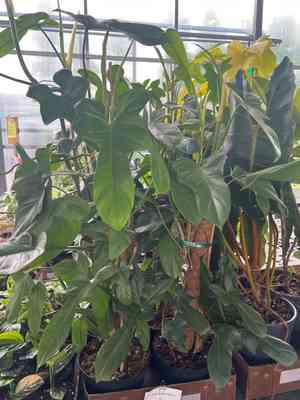
Philodendron bipennifolium(Philodendron bipennifolium)

Quickly Identify Philodendron bipennifolium

1
Look for large, deeply lobed leaves with a glossy green appearance. The leaf shape is distinct, often resembling a horse's head or a fiddle, and this is a key characteristic for identification.

Scientific Classification of Philodendron bipennifolium

Phylum
Angiosperms
Class
Monocotyledoneae
Order
Alismatales
Family
Araceae
Genus
Philodendron

Planting and Growing of Philodendron bipennifolium

Care Difficulty
Easy
Watering Schedule
Every 3 days
Sunlight Requirements
Partial sun
Sunshine Duration
6-8 hours
Ideal Temperature
65-80℉
Soil Type
Potting Mix, Peat Mix
Soil pH
6.5-7.5
Fertilizer Type
Balanced
Pruning Season
Spring, Summer
Pruning Area
Branches, Leaves
Pruning Frequency
2 times a year
Repotting Season
Spring
Pot Type
Plastic, Ceramic

water icon How to Water Philodendron bipennifolium?

Philodendron bipennifolium prefers soil that is evenly moist, but not waterlogged. When watering, ensure that the top inch of soil is dry to the touch before adding water. Pour about 250 ml of water slowly into the soil, allowing it to seep through and drain out of the pot's bottom. This ensures that the water reaches the root zone adequately.
What are the symptoms of an underwatered Philodendron bipennifolium?
What should I do if my Philodendron bipennifolium is not getting enough water?
What are the symptoms of an overwatered Philodendron bipennifolium?
How to save an overwatered Philodendron bipennifolium?

sunlight icon What Are the Sunlight Requirements for Philodendron bipennifolium?

Sunlight Requirements: Partial sun
Duration of light: 4 to 6 hours
Partial sun is optimal for this plant, as it discourages leaf burn and promotes a balanced growth. This ensures the plant remains vibrant, with strong structural integrity and dynamic growth patterns.
Preferred Light Type
Solution to Achieve Ideal Light
Benefits of Ideal Lighting

temperature icon What Is the Ideal Temperature Range for Philodendron bipennifolium?

Ideal Temperature: 65 ~ 80℉
Philodendron bipennifolium thrives best in temperatures ranging from 65°F to 80°F. This range provides the optimal conditions for photosynthesis and enzymatic functions, leading to healthy growth and vibrant foliage.

soil icon What Soil is Best for Philodendron bipennifolium?

Soil type: Loam, Peat soil, Sandy loam
Soil PH: 6.5 ~ 7.5
Philodendron bipennifolium thrives in well-draining soil because it prevents waterlogging and root rot by allowing excess moisture to escape easily. This characteristic is crucial for the plant's root health and overall vigor. A nutrient-rich soil provides necessary elements like nitrogen, phosphorus, and potassium, essential for the healthy growth and development of Philodendron bipennifolium. This enhances leaf color and boosts overall vitality. An aerated soil structure ensures good air circulation around the roots, which helps in nutrient uptake and prevents fungal infections. This is vital for maintaining the plant's health and promoting robust growth.

fertilize icon How to Fertilize Philodendron bipennifolium?

Fertilizer type: Balanced
For Philodendron bipennifolium, it's crucial to provide balanced nutrition. Use half the recommended strength of an all-purpose liquid fertilizer, generally around 10-10-10 NPK. Apply about 5 ml per liter of water or follow the package instructions for houseplants. This ensures your plant gets the necessary nutrients without the risk of overfeeding.

prune icon How to Prune Philodendron bipennifolium?

Pruning Time: Spring, Summer
Before you start pruning, inspect the plant for any yellowing, brown, or damaged leaves. These should be your priority to remove, as they can be a drain on the plant's resources. Trim the plant to maintain its natural shape, removing any excessively long stems that disrupt the appearance. This helps the Philodendron bipennifolium retain a tidy, lush look. When cutting, ensure that you make your cuts just above a node or a healthy leaf junction. This encourages new growth and prevents unsightly stubs that can attract pests or disease. After cutting a diseased or infested area, sterilize your tools before making another cut. This practice minimizes the risk of spreading potential infections to other parts of the plant. More About Pruning Techniques

propagate icon How to Propagate Philodendron bipennifolium plant?

Propagate Time: Spring, Summer, Early summer
1
Select a healthy Philodendron bipennifolium with mature stems. Ensure the plant is well-hydrated, as this can increase the success rate of propagation by ensuring the cuttings have sufficient internal moisture.
2
Choose a stem section with at least two nodes and trim it with sharp pruning shears. The presence of nodes is crucial as they contain the tissue needed to generate new roots and stems.
3
Prepare a pot with a mix of peat and perlite to ensure good drainage. A well-prepared environment prevents waterlogging and promotes faster rooting.
More About Propagating Techniques

repot icon How to Repot Philodendron bipennifolium plant?

Repotting frequency: Every 1-2 years
1
Philodendron bipennifolium should be repotted when you notice roots growing through drainage holes, indicating it outgrew its pot, or when it becomes root-bound with growth stagnation. Spring or early summer is ideal as plants are naturally in a growth phase, minimizing stress and encouraging quick recovery.
2
Opt for a pot that is 1-2 inches larger in diameter than the current container. Ensure it has adequate drainage holes to prevent waterlogged roots, a common cause of root rot. A terracotta pot can help absorb excess moisture, providing a healthier root environment.
3
Select a well-draining potting mix, such as a blend of peat, perlite, and orchid bark. This mix maintains moisture without becoming waterlogged, simulating the plant's natural rainforest floor conditions. The airy texture also allows roots to breathe, preventing rot and disease.

ForwardPlant - Identify plants with a snap

Find the best spots for them to optimize their health, simply using your phone.

Try for Free

Toxicity of Philodendron bipennifolium

Is Philodendron bipennifolium toxic to cat?

Horsehead Philodendron exhibits a moderate level of toxicity in cats due to the presence of insoluble calcium oxalate crystals found within its sap, which is present in every part of the plant. When touched, the plant can cause redness and irritation of the skin, while consumption can result in swelling and a burning sensation in the mouth, tongue, and lips, along with symptoms like vomiting, drooling, and trouble swallowing. In severe cases, swelling may obstruct breathing or eating, making it essential to seek veterinary care.

Is Philodendron bipennifolium toxic to dog?

The Horsehead Philodendron poses a moderate level of toxicity to dogs. Every segment of this plant is infused with calcium oxalate crystals, which can induce both skin and gastrointestinal irritation. When dogs come in physical contact with the injured or broken parts of the plant, they may experience redness, blister formation, or irritation on their skin. Consuming any part of the plant can lead to inflammation and swelling in the mouth and throat, subsequently causing a loss of appetite and challenges in swallowing. Symptoms may also include excessive drooling, pawing at the mouth, as well as vomiting and diarrhea. Fortunately, because dogs find this plant highly unpalatable, the severity of most cases is generally kept to a minimum.

Identify toxic plants for your safety

Learn which plants are harmful to you and your pets, and make informed choices for a safer home!

Try for Free
WARNING
The judgment on toxicity and danger is for reference only. We DO NOT GUARANTEE any accuracy of such judgment. Therefore, you SHALL NOT rely on such judgment. It is IMPORTANT TO SEEK PROFESSIONAL ADVICE in advance when necessary.
More About Toxic Techniques