
Sweet mock-orange (Philadelphus coronarius)
Also known as: English dogwood
Jasminum officinale, often referred to as common jasmine, is a well-loved ornamental plant celebrated for the rich, sweet fragrance of its delicate blooms. This deciduous climber is frequently encountered in Mediterranean woodlands and scrubs, adding a touch of elegance to the landscape.
In This Article
Attributes of Sweet mock-orange
Lifespan
Perennial
Plant Type
Shrub
Plant Height
1.5 m to 4 m
Spread
2.5 m to 4 m
Leaf Color
Green Yellow
Flower Size
2.5 cm
Flower Color
White Cream
Images of Sweet mock-orange
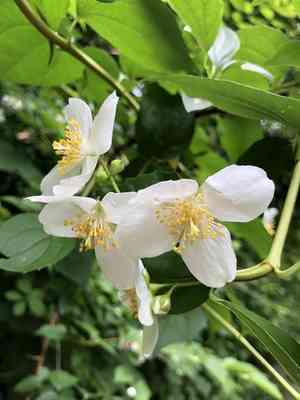


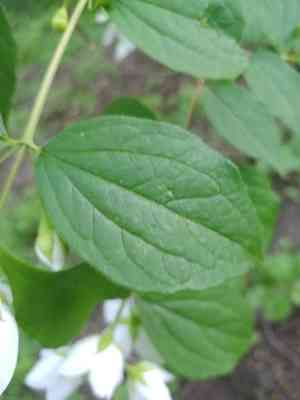
Quickly Identify Sweet mock-orange
1
Fragrant white flowers, 1-1.5 inches (2.5-3.8 cm) in diameter, arranged in clusters.
2
Opposite, ovate leaves with serrated margins, ranging from 1.5 to 4 inches (4 to 10 cm).
3
Dark brown, exfoliating bark with vertical peeling strips as the plant matures.
4
Dry, 4-valved capsules releasing small seeds, transitioning from green to brown.
5
Twiggy, dense shrub with arching branches, thriving in sun to partial shade.
Scientific Classification of Sweet mock-orange
Phylum
Vascular plants
Class
Dicotyledons
Order
Cornales
Family
Hydrangea
Genus
Mock oranges
Species
Sweet mock-orange
Planting and Growing of Sweet mock-orange
Care Difficulty
Easy
Watering Schedule
Every 4 days
Sunlight Requirements
Full sun
Sunshine Duration
6-10 hours
Ideal Temperature
60-75℉
Soil Type
Potting Mix, Peat Mix
Soil pH
6.5-7.5
Fertilizer Type
Balanced
Pruning Season
Spring, Summer
Pruning Area
Branches, Leaves
Pruning Frequency
2 times a year
Repotting Season
Spring
Pot Type
Plastic, Ceramic
 How to Water Sweet mock-orange?
When watering Philadelphus coronarius, ensure the soil is evenly moist but not waterlogged. Water approximately 1000 ml each time to thoroughly soak the roots while avoiding excess pooling or runoff. The goal is to maintain a healthy moisture level, mimicking its natural environment.
More About Watering Techniques→
What are the symptoms of an underwatered Sweet mock-orange?
›
What should I do if my Sweet mock-orange is not getting enough water?
›
What are the symptoms of an overwatered Sweet mock-orange?
›
How to save an overwatered Sweet mock-orange?
›
 What Are the Sunlight Requirements for Sweet mock-orange?
Partial sun to full sun is ideal. These lighting conditions promote vigorous growth, stimulate ample flowering, and ensure vibrant foliage, optimizing the plant's health and ornamental display.
More About Sunlight Requirements Techniques→
What is the best lighting spot?
›
How can I achieve ideal light indoors?
›
Benefits of ideal lighting conditions?
›
 What Is the Ideal Temperature Range for Sweet mock-orange?
Philadelphus coronarius thrives best when kept between 60°F and 75°F. This range provides optimal conditions for photosynthesis and growth, ensuring the plant develops lush foliage and abundant blooms. Consistently maintaining this temperature range will help prevent stress and encourage smooth metabolic processes.
 What Soil is Best for Sweet mock-orange?
Philadelphus coronarius thrives in well-draining soil that prevents waterlogging, reducing the risk of root rot and promoting healthy growth. A nutrient-rich medium is essential for this plant, enhancing the blooming of its fragrant flowers and ensuring robust structural development. The soil should retain moderate moisture to sustain the plant during dry spells, aiding in its resilience and decreasing watering frequency.
More About Soil→
 How to Fertilize Sweet mock-orange?
For Philadelphus coronarius, use a balanced granular fertilizer applied at a rate of about one tablespoon per square foot for solid fertilizers. For liquid fertilizers, dilute the solution to half the recommended concentration to prevent burning.
More About Fertilizing Techniques→
 How to Prune Sweet mock-orange?
Start by removing any dead, diseased, or damaged wood from your Philadelphus coronarius. These can harbor pests or diseases and divert energy from healthy growth. Cut these branches back to their base using clean, sharp tools to minimize damage. Philadelphus coronarius blooms on old wood, so it's important to remove some of the older canes after flowering. This encourages the plant to produce new growth which will bloom the following year. Aim to remove about one-third of the oldest canes each year. While thinning, it's also a good time to shape and tidy up the shrub. Cut back any excessively long branches to keep the plant in the desired shape. This not only improves appearance but also promotes better air circulation and light penetration.
More About Pruning Techniques→
 How to Propagate Sweet mock-orange plant?
1
Begin by collecting seeds from mature Philadelphus coronarius plants once they have dried fully. Seeds should be cleaned and stored in a cool, dry place until you are ready for planting.
2
Select a healthy branch and make a clean cut using pruning shears. Make sure each cutting is about 6-8 inches long and remove any leaves from the lower half to prevent decay.
3
To propagate by division, carefully dig up an established plant ensuring minimal root disturbance. Divide the root ball into several sections, ensuring each new plant has adequate roots.
 How to Repot Sweet mock-orange plant?
1
Philadelphus coronarius signals it's time to repot when roots start to circle the pot's surface or emerge from drainage holes. If growth seems stunted with evident root density, it’s also indicative of the need for a larger space. Usually, repotting every two to three years, ideally in spring or autumn, keeps the plant healthy and vigorous by providing fresh soil and more space.
2
Selecting the right pot for Philadelphus coronarius involves opting for one that is one or two sizes larger than the current pot. The pot should have adequate drainage holes to prevent waterlogging. Choosing terracotta or ceramic pots can benefit the plant by providing stability and allowing the soil to dry out more evenly.
3
Philadelphus coronarius prefers well-draining soil to thrive, which helps prevent root rot and ensures that the roots receive adequate oxygen. A mix of garden soil, perlite, and compost, or a high-quality potting mix, provides a rich nutrient base while allowing excess water to escape, thus maintaining optimal moisture levels in the new pot.



