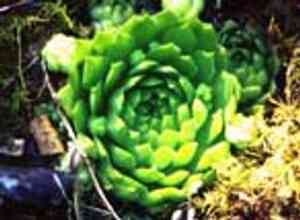
Dragon's blood(Phedimus spurius)

Dragon's blood (Phedimus spurius)

Also known as: Two-row stonecrop, Creeping sedum

The dragon's blood succulent is a compact plant that reaches up to 10 cm in height. It produces star-shaped flowers from late spring to summer. While it thrives in full sunlight, it can also tolerate partial shade.

Attributes of Dragon's blood

Lifespan
Perennial
Plant Type
Succulent, Herb
Plant Height
5 cm to 15 cm
Spread
60 cm to 90 cm
Leaf Color
Green Yellow White Red Variegated
Flower Size
8 mm to 1.1 cm
Flower Color
White Pink Red Purple

PlantJoy - Identify plants with a snap

Identify and diagnose plants, get toxicity alerts, and explore safety guides for all types of fungi.

Try for Free

Images of Dragon's blood

Dragon's blood(Phedimus spurius)

Quickly Identify Dragon's blood

1
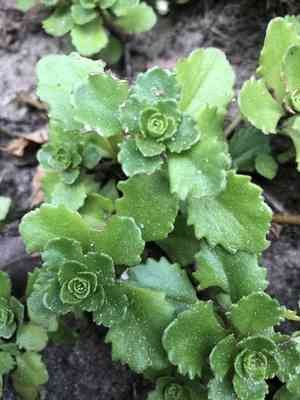
Thick succulent leaves aiding in water retention.
2
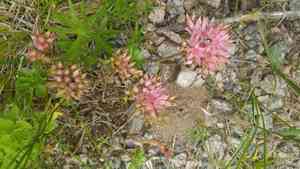
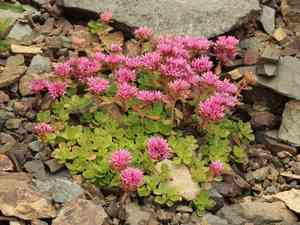
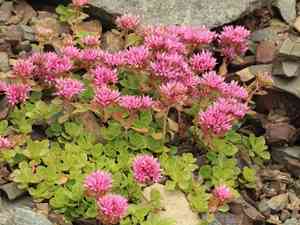
Star-shaped flowers with vibrant colors attracting pollinators.
3
Symmetrical, white to purplish star-shaped flowers in summer.
4
Oval to elongated evergreen leaves with a smooth texture.
5
Distinctive burgundy foliage in the fall for seasonal interest.

Scientific Classification of Dragon's blood

Phylum
Vascular plants
Class
Dicotyledons
Order
Saxifragales
Family
Stonecrop
Genus
Phedimus
Species
Dragon's blood

Planting and Growing of Dragon's blood

Care Difficulty
Easy
Watering Schedule
Every 3 days
Sunlight Requirements
Full sun
Sunshine Duration
4-8 hours
Ideal Temperature
65-75℉
Soil Type
Potting Mix, Peat Mix
Soil pH
6.5-7.5
Fertilizer Type
Balanced
Pruning Season
Spring, Summer
Pruning Area
Branches, Leaves
Pruning Frequency
2 times a year
Repotting Season
Spring
Pot Type
Plastic, Ceramic

water icon How to Water Dragon's blood?

For Phedimus spurius, a moderate amount of water is required, ideally around 250 ml per session. The goal is to moisten the soil without making it soggy. Ensure that the top inch of the soil is dry before each watering session. Use well-draining soil to avoid waterlogging.
What are the symptoms of an underwatered Dragon's blood?
What should I do if my Dragon's blood is not getting enough water?
What are the symptoms of an overwatered Dragon's blood?
How to save an overwatered Dragon's blood?
More About Watering Techniques

sunlight icon What Are the Sunlight Requirements for Dragon's blood?

Sunlight Requirements: Full sun, Partial sun
Duration of light: 4 to 6 hours
For Phedimus spurius, the ideal light range is full sun to partial sun. Adequate sunlight fosters vibrant foliage color, strong flowering, and overall plant vigor.
What is the ideal sunlight condition for Phedimus spurius?
How can I achieve this ideal lighting condition?
What are the benefits of achieving this ideal lighting?
More About Sunlight Requirements Techniques

temperature icon What Is the Ideal Temperature Range for Dragon's blood?

Ideal Temperature: 65 ~ 75℉
The ideal temperature range for Phedimus spurius is between 65°F and 75°F. This temperature range ensures optimal growth and health, providing a suitable environment for photosynthesis and other physiological processes.

soil icon What Soil is Best for Dragon's blood?

Soil type: Sandy loam, Loam
Soil PH: 6.5 ~ 7.5
Phedimus spurius thrives in well-drained soil. This prevents root rot and ensures that excess water doesn't stifle the roots’ ability to breathe. Although it’s a hardy species, Phedimus spurius benefits from soil with moderate nutrient content, aiding in robust foliage growth. The plant prefers soils that can retain slight moisture without becoming waterlogged. This balance promotes sustained health and vibrant flowering. More About Soil

fertilize icon How to Fertilize Dragon's blood?

Fertilizer type: Balanced
When it comes to Phedimus spurius, less is often more. Use liquid fertilizer mixed at half strength, applying up to 2 tablespoons per gallon of water monthly in growing seasons. For slow-release granules, a single application of approximately 1 tablespoon per square foot once every four months is sufficient.

prune icon How to Prune Dragon's blood?

Pruning Time: Spring, Summer
To prune Phedimus spurius, start by using clean, sharp scissors or garden shears. Begin by removing any dead, damaged, or diseased stems. These are typically easy to spot as they might have a brown or wilted appearance. Next, trim back overgrown or leggy stems to encourage bushier growth. Aim to cut just above a set of healthy leaves or a node to promote new shoots. For general shaping, assess overall plant structure and decide the desired shape or size. Trim down tall stems to match the height of the rest of the plant, ensuring a uniform appearance. If specific stems appear too dominant, clip them shorter to encourage surrounding growth and create a fuller appearance.

propagate icon How to Propagate Dragon's blood plant?

Propagate Time: Spring, Late spring, Early spring, Early summer
1
Collect seeds from a mature Phedimus spurius plant. Allow them to dry completely before storage or sowing to ensure successful germination.
2
Select healthy, non-flowering stems for cuttings. Cut the stems to about 5-7 centimeters in length, ensuring they have at least two leaf nodes.
3
For division propagation, carefully lift the plant from the soil and gently separate the roots into smaller sections, each with ample roots and shoots.
More About Propagating Techniques

repot icon How to Repot Dragon's blood plant?

Repotting frequency: Every 2-3 years
1
Signs your Phedimus spurius needs repotting include roots growing out of drainage holes, soil that dries out faster than usual, and stunted growth. These indicate the plant has outgrown its current container and needs more space.
2
Select a pot that is one size larger—no more than 2 inches wider in diameter—than the existing one. Opt for a pot with good drainage to prevent root rot and ensure your Phedimus spurius thrives by allowing excess water to escape.
3
Choose a well-draining, gritty soil mix to mimic the plant's natural environment. This prevents water retention and promotes healthy root growth, crucial for succulents like Phedimus spurius to prevent overwatering.
More About Repotting Techniques

PlantJoy - Identify plants with a snap

Find the best spots for them to optimize their health, simply using your phone.

Try for Free

Toxicity of Dragon's blood

Is Dragon's blood toxic to cat?

Dragon's blood presents a slight toxic risk to cats. If consumed in excessive amounts, every part of dragon's blood may prove harmful and lead to physical unease or sickness in felines. Symptoms of poisoning in cats could manifest in a general manner and may not be immediately noticeable. Should a cat ingest dragon's blood, it is crucial to acknowledge the potential health hazards and obtain veterinary assistance swiftly to secure the most favorable outcome for the cat's recovery.

Is Dragon's blood toxic to dog?

Dragon's blood is recognized to have a mild level of toxicity for dogs. If this plant is ingested in substantial amounts, it can lead to poisoning in dogs. The entire plant is toxic, implying that consuming any part of dragon's blood poses a risk for adverse reactions. Poisoning symptoms can vary, but common signs include gastrointestinal distress, vomiting, diarrhea, or lethargy. It is important for dog owners to keep a close watch on their pets and restrict their access to dragon's blood in order to mitigate the risk of poisoning. Should a dog consume a considerable amount of dragon's blood, it is vital to seek immediate veterinary assistance to effectively manage any possible symptoms.

Identify toxic plants for your safety

Learn which plants are harmful to you and your pets, and make informed choices for a safer home!

Try for Free
WARNING
The judgment on toxicity and danger is for reference only. We DO NOT GUARANTEE any accuracy of such judgment. Therefore, you SHALL NOT rely on such judgment. It is IMPORTANT TO SEEK PROFESSIONAL ADVICE in advance when necessary.
More About Toxic Techniques