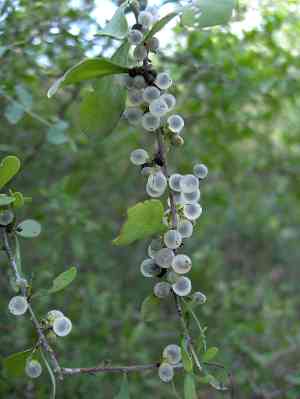
Devilqueen (Phaulothamnus spinescens)
Also known as: Snake-eyes
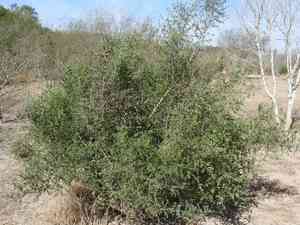
Phaulothamnus spinescens, also known as devilqueen, snake-eyes, or putia, is native to Texas in the United States, as well as Tamaulipas, Nuevo León, Sonora, and Baja California in Mexico. This branching shrub is noted for its juicy berries.
In This Article
Attributes of Devilqueen
Lifespan
Perennial
Plant Type
Shrub
Plant Height
1.8 m to 3.5 m
Spread
Up to 1 meter
Leaf Color
Green
Flower Size
Less than 1 cm
Flower Color
Greenish-white
Images of Devilqueen

Quickly Identify Devilqueen
1
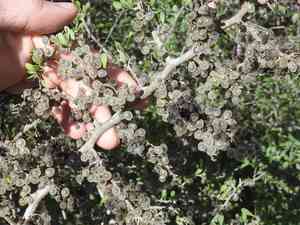
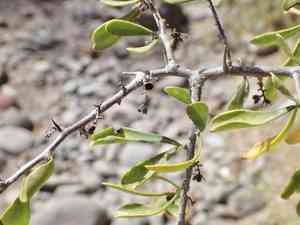
To identify Phaulothamnus spinescens, look for a thorny shrub with trifoliate leaves and small, greenish-white flowers. The plant\'s distinctive round, translucent fruits are also a key identifying feature.
Scientific Classification of Devilqueen
Phylum
Vascular plants
Class
Dicotyledons
Order
Caryophyllales
Family
Achatocarpus
Genus
Phaulothamnus
Species
Devilqueen
Planting and Growing of Devilqueen
Care Difficulty
Hard
Watering Schedule
Every 2 days
Sunlight Requirements
Partial sun
Sunshine Duration
4-8 hours
Ideal Temperature
70-85℉
Soil Type
Potting Mix, Peat Mix
Soil pH
6.5-7.5
Fertilizer Type
Balanced
Pruning Season
Spring, Summer
Pruning Area
Branches, Leaves
Pruning Frequency
2 times a year
Repotting Season
Spring
Pot Type
Ceramic, Plastic
 How to Water Devilqueen?
When watering Phaulothamnus spinescens, aim to ensure the soil is evenly moist but not waterlogged. Adjust the watering amount based on the soil’s drainage; generally, around 150 milliliters of water per session should suffice, but ensure the topsoil feels dry before the next watering.
What are the symptoms of an underwatered Devilqueen?
›
What should I do if my Devilqueen is not getting enough water?
›
What are the symptoms of an overwatered Devilqueen?
›
How to save an overwatered Devilqueen?
›
 What Are the Sunlight Requirements for Devilqueen?
Partial sun offers balanced conditions, promoting healthy foliage and bloom potential. Aphid resistance also increases with optimal light, boosting the plant's defenses.
How much light is ideal?
›
Solutions for achieving ideal light
›
Effects of achieving ideal light
›
 What Is the Ideal Temperature Range for Devilqueen?
Phaulothamnus spinescens thrives best in environments where temperatures are consistently within 70°F to 85°F. These temperatures provide the ideal conditions for photosynthesis and growth, allowing the plant to produce energy efficiently. Maintaining this range avoids stress and promotes overall plant health, leading to vibrant growth and robust foliage.
 What Soil is Best for Devilqueen?
Phaulothamnus spinescens thrives in soil that maintains adequate moisture without becoming waterlogged. Proper moisture retention ensures the plant receives consistent hydration, which is vital for nutrient uptake and optimal growth. This plant benefits from a nutrient-rich soil environment. Loamy soils provide an abundance of essential nutrients which contribute to robust growth and vibrant foliage. Well-drained soil is critical for preventing root rot in Phaulothamnus spinescens. Proper drainage ensures excess water does not accumulate, thus protecting the root system from decay.
 How to Fertilize Devilqueen?
For Phaulothamnus spinescens, a light hand when it comes to fertilizing is essential. Typically, using half the strength of the recommended liquid fertilizer dosage per application suffices. Over-fertilizing can lead to nutrient buildup which might harm the plant. Always err on the side of caution.
 How to Prune Devilqueen?
Start by removing any dead or damaged branches. Use clean, sharp pruning shears to make clean cuts. Focus on maintaining an open center to allow light and air to penetrate through the plant. Trim back overgrown branches to retain the plant's natural shape. Ensure cuts are made just above a leaf node to encourage lateral growth, resulting in a fuller appearance.
More About Pruning Techniques→
 How to Propagate Devilqueen plant?
1
Select a healthy parent plant and use sharp pruning shears to cut a 4-6 inch section from new growth. Remove any lower leaves from the cutting to reduce moisture loss and improve root development.
2
Scatter the seeds lightly over the moistened seed starting mix. Cover them with a thin layer of soil and gently water to settle the seeds without displacing them. Maintain consistent moisture and light for optimal germination.
3
Dip the cut end of the cutting into rooting hormone to encourage root development. Plant the cutting into a pot filled with a well-draining mix, ensuring stable positioning, and keep the medium consistently moist.
 How to Repot Devilqueen plant?
1
Phaulothamnus spinescens should be repotted when you notice its roots beginning to emerge from the drainage holes, indicating that it's become root-bound. Additionally, if water isn't draining properly or the plant is no longer thriving even with proper care, these could be signs that repotting is necessary.
2
Pick a pot that is one size larger than the current one to give the roots space to grow without overwhelming the plant. Ensure it has ample drainage holes. A pot that's too large can retain excess moisture, leading to root rot, while proper drainage prevents waterlogged soil.
3
Opt for a well-draining cactus mix that is slightly sandy to mimic its natural arid environment. This type of soil prevents root rot by allowing for efficient drainage, ensuring the plant's roots aren't sitting in water for extended periods.
Learn More About Devilqueen Diseases
Anthracnose
Bacterial Leaf Spot
Bacterial Soft Rot
Bacterial Wilt
Black Spot
Chemical Injury
Crown Gall
Cyst Nematode
Damping-off
Downy Mildew
Drought Stress
Fusarium Wilt
Gray Mold
Leaf Curl
Leaf Spot
Mosaic
Nutrient Deficiency
Nutrient Toxicity
Powdery Mildew
Root Rot
Root-knot Nematode
Rusts
Sooty Mold
Spider Mites
Temperature Stress
Thrips Damage
White Mold



