Phalaris (Phalaris) (Phalaris)
Also known as: Reed Canary Grass
A group of robust grasses known as pampas grass (genus Cortaderia) can adapt to a variety of environments, including dry regions and wetlands. These grasses are frequently utilized for decorative purposes in dried floral arrangements due to their aesthetic appeal and hardiness.
In This Article
Attributes of Phalaris (Phalaris)
Lifespan
Perennial
Plant Height
50 - 200 cm
Spread
N/A (Grasses typically do not have a crown)
Leaf Color
Green
Flower Size
1 - 2 cm (individual spikelets)
Flower Color
White Yellow Green
Images of Phalaris (Phalaris)

Quickly Identify Phalaris (Phalaris)
1
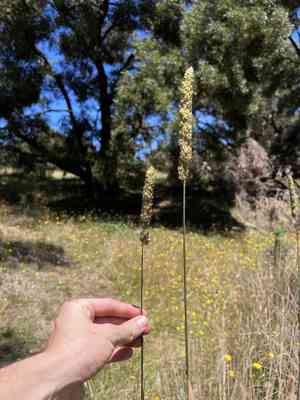
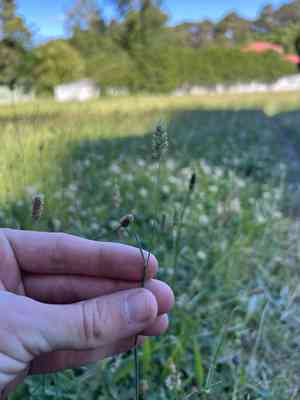
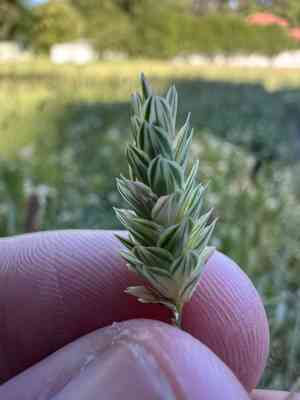
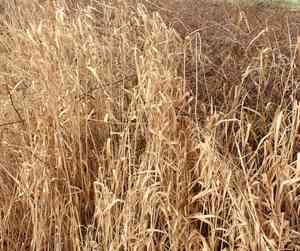
Phalaris can be identified by its broad, flat leaves, and the panicle that appears as a dense spike. The stems are usually hollow and can stand upright, reaching significant heights. The inflorescence consists of densely packed spikelets.
Scientific Classification of Phalaris (Phalaris)
Phylum
Magnoliophyta
Class
Liliopsida
Order
Poales
Family
Poaceae
Genus
Phalaris
Planting and Growing of Phalaris (Phalaris)
Care Difficulty
Moderate
Watering Schedule
Every 3 days
Sunlight Requirements
Partial sun
Sunshine Duration
4-8 hours
Ideal Temperature
60-75℉
Soil Type
Potting Mix, Peat Mix
Soil pH
5-8
Fertilizer Type
Balanced
Pruning Season
Spring, Summer
Pruning Area
Branches, Leaves
Pruning Frequency
2 times a year
Repotting Season
Spring
Pot Type
Plastic, Ceramic
 How to Water Phalaris (Phalaris)?
Phalaris prefers consistent moisture but does not appreciate being waterlogged. Aim for around 500ml per watering, ensuring the top 2-3 inches of soil are fully saturated. Allow excess water to drain out to prevent root rot.
What are the symptoms of an underwatered Phalaris (Phalaris)?
›
What should I do if my Phalaris (Phalaris) is not getting enough water?
›
What are the symptoms of an overwatered Phalaris (Phalaris)?
›
How to save an overwatered Phalaris (Phalaris)?
›
 What Are the Sunlight Requirements for Phalaris (Phalaris)?
Phalaris thrives best under partial to full sun. Ideal lighting promotes vibrant, rapid growth and maximum aesthetic potential, providing more robust and healthier foliage crucial to its overall vigor.
How much sunlight does Phalaris need?
›
Can Phalaris tolerate full shade?
›
Why is consistent sunlight important for Phalaris?
›
 What Is the Ideal Temperature Range for Phalaris (Phalaris)?
For Phalaris to thrive, it typically prefers a temperature range between 60°F and 75°F. This range promotes optimal growth, ensuring the plant has the necessary conditions to develop vigorously and healthily. Maintaining these temperatures can lead to better yield and a robust lifecycle.
 What Soil is Best for Phalaris (Phalaris)?
Phalaris thrives best in well-drained soil as it prevents waterlogging, which can lead to root rot. Ensuring that the soil is well-drained helps maintain the oxygen levels in the root zone, promoting healthy growth and robust plant development. Although Phalaris prefers well-drained soil, maintaining consistent moisture is critical for its growth. This can be achieved by incorporating organic matter into the soil, which will help retain moisture without causing waterlogging. Phalaris benefits from soil that is rich in organic matter and nutrients. Adding compost or well-rotted manure can enhance the nutrient profile of the soil, leading to vigorous growth and improved resilience against pests and diseases.
 How to Fertilize Phalaris (Phalaris)?
Phalaris requires a balanced amount of fertilizer to ensure healthy growth without overwhelming the plant. Typically, a general-purpose fertilizer diluted at half strength is adequate for Phalaris. This approach provides the nutrients it needs without causing fertilizer burn.
 How to Prune Phalaris (Phalaris)?
Begin pruning from the top, removing any dead or discolored leaves and stems. Trim back any overgrown areas to shape the plant, which will also improve air circulation. Aim to cut at a 45-degree angle to support swift healing and further growth. After pruning, ensure the plant is watered adequately, but avoid over-watering. Applying a balanced fertilizer can also support new growth and help the plant recover quickly. Monitor for any stress signs.
 How to Propagate Phalaris (Phalaris) plant?
1
Gather seeds from mature Phalaris plants in late summer or early autumn. Clean off any chaff, and let them dry before storing in a cool, dry place until spring.
2
In early spring, fill a seed tray with seed-starting mix. Scatter seeds evenly on the surface and lightly cover them with more mix. Keep the tray in a warm, well-lit area.
3
In spring or early summer, dig up mature Phalaris clumps using a spade. Gently separate the clumps into smaller sections, ensuring each has roots attached, and replant them.
 How to Repot Phalaris (Phalaris) plant?
1
It's time to repot Phalaris when the roots start to protrude from the drainage holes, or the soil seems to dry out too quickly. Another indicator is when you notice stunted growth or the plant looking crowded within the pot, suggesting it needs more room.
2
Select a pot that is one size larger than the current one to give your Phalaris ample room to grow. Ensure the pot has adequate drainage holes to prevent waterlogging, which can lead to root rot. A slightly wider pot can provide stability to the plant as it grows taller.
3
Opt for a well-draining potting mix that retains some moisture but doesn't stay soggy. A mix containing elements like perlite or sand can enhance drainage. This soil encourages healthy root development and prevents waterlogged conditions, promoting overall plant health.
Toxicity
Ingestion
WARNING
The judgment on toxicity and danger is for reference only. We DO NOT GUARANTEE any accuracy of such judgment. Therefore, you SHALL NOT rely on such judgment. It is IMPORTANT TO SEEK PROFESSIONAL ADVICE in advance when necessary.

