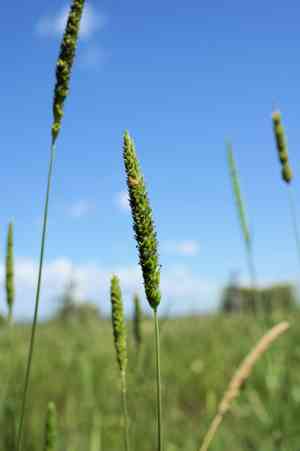
Timothy canary grass (Phalaris angusta)
Also known as: Yellow Canary Grass
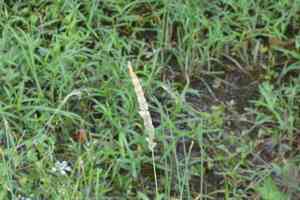
Phalaris angusta is an annual grass that can grow up to 2.5 meters in height. Its inflorescence consists of a narrow, cylindrical spike adorned with rough-haired, pointed spikelets.
In This Article
Attributes of Timothy canary grass
Lifespan
Annual
Plant Type
Grass
Plant Height
0.5 to 1.5 meters (1.6 to 4.9 feet)
Spread
Not typically measured in terms of crown diameter as it is a grass
Leaf Color
Green
Flower Size
0.5 to 3 cm
Flower Color
Yellowish-green
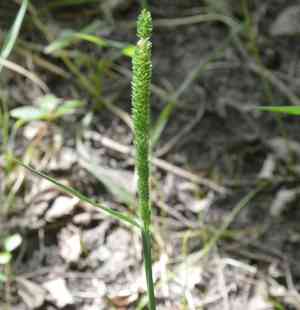
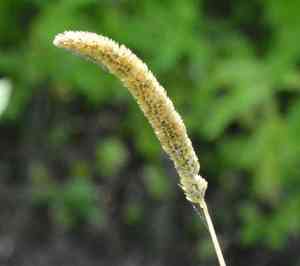
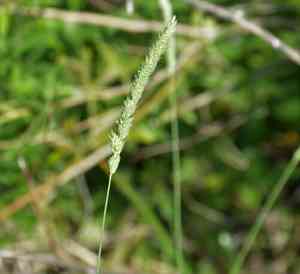
Images of Timothy canary grass
Quickly Identify Timothy canary grass
1
Phalaris angusta can be identified by its tall, upright growth, long, narrow leaves, and feathery, plume-like flower heads that turn a characteristic yellowish color when mature.
Scientific Classification of Timothy canary grass
Phylum
Vascular plants
Class
Monocotyledons
Order
Poales
Family
Grass
Genus
Phalaris
Species
Timothy canary grass
Planting and Growing of Timothy canary grass
Care Difficulty
Moderate
Watering Schedule
Every 3 days
Sunlight Requirements
Full sun
Sunshine Duration
4-8 hours
Ideal Temperature
60-75℉
Soil Type
Potting Mix, Peat Mix
Soil pH
6.5-7.5
Fertilizer Type
Balanced
Pruning Season
Spring, Summer
Pruning Area
Branches, Leaves
Pruning Frequency
2 times a year
Repotting Season
Spring
Pot Type
Plastic, Ceramic
 How to Water Timothy canary grass?
The watering amount for Phalaris angusta should be around 250 milliliters per session. Ensure the soil is evenly moist but not waterlogged. It's essential to balance moisture as this plant thrives in a semi-moist environment. Allow the top inch of soil to dry out slightly between watering sessions.
What are the symptoms of an underwatered Timothy canary grass?
›
What should I do if my Timothy canary grass is not getting enough water?
›
What are the symptoms of an overwatered Timothy canary grass?
›
How to save an overwatered Timothy canary grass?
›
 What Are the Sunlight Requirements for Timothy canary grass?
The ideal lighting range for Phalaris angusta is full to partial sun, translating to 6 to 8 hours of sunlight. This balance promotes healthy growth patterns, strong structural development, and optimal photosynthetic activity.
What is the best lighting condition for Phalaris angusta?
›
How can I achieve the perfect light conditions for Phalaris angusta?
›
What benefits does Phalaris angusta derive from optimal light?
›
 What Is the Ideal Temperature Range for Timothy canary grass?
The ideal temperature range for Phalaris angusta is crucial for its optimal growth and development. This plant thrives in temperatures between 60°F and 75°F. Within this range, the plant can maximize its metabolic processes, like photosynthesis and respiration, leading to healthy growth and robust structure. Allowing for adequate warmth, without crossing into higher extremes, ensures minimal stress on the plant, promoting longevity and vigor.
 What Soil is Best for Timothy canary grass?
Phalaris angusta thrives in well-drained soil which prevents water-logging that can lead to root rot. This helps the plant by ensuring its roots have access to sufficient oxygen. This plant benefits from nutrient-rich soils that supply essential minerals and nutrients required for growth. Well-fertilized loamy soils are ideal for supporting vigorous growth. Moderately moist soil ensures that Phalaris angusta's roots receive the necessary moisture without drowning them. This helps in maintaining the plant's overall health and growth rate.
 How to Fertilize Timothy canary grass?
For Phalaris angusta, apply a balanced liquid fertilizer diluted to half strength, approximately 5-10 ml per liter of water. Ensure that the soil is moist before applying fertilizer to avoid root burn and ensure even absorption by the plant.
 How to Prune Timothy canary grass?
Start by identifying the older, damaged, or discolored stems. These should be the primary candidates for removal to encourage the growth of fresh, vibrant stalks. Cut each stem at a 45-degree angle just above a node. This promotes optimal growth and avoids water gathering, which can lead to rotting. Trim Phalaris angusta to your desired height and shape by pruning the top growth back slightly. This helps maintain the aesthetic appeal and prevents it from overshadowing other plants.
 How to Propagate Timothy canary grass plant?
1
Fill seed trays with a mix of potting soil and compost. Sow seeds at a shallow depth and water gently. Keep trays in a well-lit area that is free from direct sunlight for about two weeks until germination occurs.
2
Select a healthy clump of the plant during the dormant season. Carefully dig up the clump and use a sharp knife to divide it into smaller sections, each with a good amount of roots. Replant the sections without delay.
3
Once seedlings have developed two sets of true leaves, they can be transplanted into larger pots or directly into the garden, ensuring they are spaced adequately to allow for growth.
 How to Repot Timothy canary grass plant?
1
Keep an eye out for roots emerging from the drainage holes of the current pot, as this signifies that the plant is lacking adequate space to grow. Additionally, if water seems to take longer to flow through the soil or if the plant appears stunted, it's time for repotting.
2
Selecting a pot that is one or two sizes larger than the current one ensures that roots have ample room to expand, which is vital for healthy growth. Look for pots with drainage holes to allow excess moisture to escape, preventing root rot and creating a healthier environment for Phalaris angusta.
3
Opt for a well-draining potting mix that incorporates sand or perlite, which helps aerate the soil and prevent waterlogging. This kind of soil ensures that roots have both proper moisture and air circulation, which are crucial for thriving growth and nutrient uptake.
Toxicity
Ingestion
WARNING
The judgment on toxicity and danger is for reference only. We DO NOT GUARANTEE any accuracy of such judgment. Therefore, you SHALL NOT rely on such judgment. It is IMPORTANT TO SEEK PROFESSIONAL ADVICE in advance when necessary.



