
Phalaenopsis spp. (Phalaenopsis spp.)
Also known as: Moth Orchid, Phal
Phalaenopsis, also known as moth orchids, is a genus of about seventy species of epiphytic orchids in the family Orchidaceae. They are among the most popular orchids in the trade, through the development of many hybrid species. Phalaenopsis are native to India, Taiwan, China, and Australia with the majority of species in Indonesia and the Philippines.
In This Article
Attributes of Phalaenopsis spp.
Lifespan
Perennial
Plant Height
20-80 cm
Spread
30-100 cm
Leaf Color
Green
Flower Size
5-12 cm
Flower Color
Pink, White or Purple
Images of Phalaenopsis spp.


Quickly Identify Phalaenopsis spp.
1
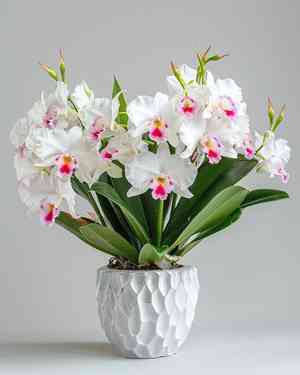
Phalaenopsis orchids are easily identified by their unique flower shape that resembles a moth in flight. They also have distinctive thick, rounded leaves and long, arching, spray-like inflorescences.
Scientific Classification of Phalaenopsis spp.
Phylum
Magnoliophyta
Class
Liliopsida
Order
Asparagales
Family
Orchidaceae
Genus
Phalaenopsis
Species
Varied species within the Phalaenopsis genus
Planting and Growing of Phalaenopsis spp.
Care Difficulty
Moderate
Watering Schedule
Every 2 days
Sunlight Requirements
Partial sun
Sunshine Duration
6-10 hours
Ideal Temperature
65-75℉
Soil Type
Potting Mix, Peat Mix
Soil pH
6.5-7.5
Fertilizer Type
Balanced
Pruning Season
Spring, Summer
Pruning Area
Branches, Leaves
Pruning Frequency
2 times a year
Repotting Season
Spring
Pot Type
Plastic, Ceramic
 How to Water Phalaenopsis spp.?
For Phalaenopsis, watering should be done until the water runs out of the pot's drainage holes. This ensures the roots are fully hydrated but not sitting in water, mimicking their natural rainforest environment.
What are the symptoms of an underwatered Phalaenopsis spp.?
›
What should I do if my Phalaenopsis spp. is not getting enough water?
›
What are the symptoms of an overwatered Phalaenopsis spp.?
›
How to save an overwatered Phalaenopsis spp.?
›
 What Are the Sunlight Requirements for Phalaenopsis spp.?
Partial sun provides a blend of shade and limited sun exposure, optimal for Phalaenopsis. This balance promotes healthy photosynthesis while minimizing leaf burn, crucial for their natural tropical habitat.
What is the ideal light type for Phalaenopsis?
›
How can I provide ideal lighting conditions?
›
What are the benefits of providing ideal lighting?
›
 What Is the Ideal Temperature Range for Phalaenopsis spp.?
The ideal temperature for Phalaenopsis orchids ranges from 65°F to 75°F. This range provides the perfect balance between warmth and humidity, facilitating growth and flower development. Maintaining these temperatures mimics the orchid's natural subtropical environment, ensuring a flourishing plant.
 What Soil is Best for Phalaenopsis spp.?
Phalaenopsis orchids thrive in well-draining soil, which prevents root rot by allowing excess water to flow away, ensuring the roots have access to oxygen. While these orchids need well-draining soil, it's crucial for the soil to retain enough moisture. This balance helps avoid dehydration of the roots while providing sufficient air circulation. A loamy, nutrient-rich medium ensures that Phalaenopsis receives the right balance of minerals. Over time, this supports healthy growth and vibrant flowering.
 How to Fertilize Phalaenopsis spp.?
For Phalaenopsis orchids, use a balanced 20-20-20 fertilizer at a quarter of the strength recommended on the label. Orchids are sensitive to fertilizer and using too much can damage their roots, so err on the side of caution.
 How to Prune Phalaenopsis spp.?
Begin by examining the flower stalks after blooming. Use sterilized scissors to trim the stalk back to a node or just above the main plant base if you want to encourage new growth. This helps in redirecting the nutrients to establish new blooms and growth. If you notice any discolored or damaged leaves on your Phalaenopsis, carefully trim them away using a sterilized cutting tool. Ensuring the plant is free from decaying material can prevent the spread of fungal infections and improve sunlight penetration. Periodically check the roots during pruning sessions. Trim away any brown or mushy roots using sterilized shears. This promotes healthy root development by removing any dead or rotting parts, which can be a breeding ground for pests or diseases.
 How to Propagate Phalaenopsis spp. plant?
1
Begin by preparing a nutrient-rich culture medium that is essential for tissue culture propagation. Sterilize the medium to prevent contamination and ensure it contains the necessary nutrients for orchid growth.
2
For seed propagation, carefully place the Phalaenopsis seeds on the surface of the sterilized culture medium. Keep the environment humid and warm to enhance germination rates and prevent desiccation.
3
Throughout the propagation process, maintain a sterile environment to prevent pathogen introduction. Use sterilized tools, work in a clean area, and handle materials with care to mitigate contamination risks.
 How to Repot Phalaenopsis spp. plant?
1
Phalaenopsis orchids show signs indicating it's time for repotting. Look for roots growing out of the pot, overcrowded growth, or medium breakdown. Spring or summer repotting allows the orchid time to adjust before its next blooming cycle, ensuring optimal support for healthy growth and flowering.
2
Selecting the right pot for your Phalaenopsis is crucial. Choose a pot slightly larger than the current one to accommodate root growth, ensuring it has good drainage holes. Transparent pots are beneficial as they mimic natural light exposure and allow you to monitor root health, minimizing root rot risk.
3
For optimal Phalaenopsis growth, choose an orchid bark mix. This mix promotes aeration and fast drainage, imitating the orchid's natural habitat. The bark mix prevents water accumulation around the roots, reducing the likelihood of root rot and promoting healthy root development.

