
Singuliflorous Phalaenopsis, Single-flowered Moth Orchid (Phalaenopsis × singuliflora)
Also known as: Singuliflorous Phalaenopsis, Single-flowered Moth Orchid
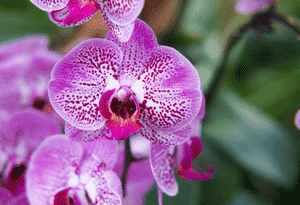
Phalaenopsis × singuliflora, an orchid species that hails from Borneo, is a natural crossbreed between Phalaenopsis bellina and Phalaenopsis sumatrana. The name 'singuliflora' originates from its habit of sequentially producing flowers.
In This Article
Plant Comprehensive Care Guide: Beginner's Introduction and Key Details
Perfect for beginners starting their plant care journey
→
10 Secrets to Making Singuliflorous Phalaenopsis, Single-flowered Moth Orchid Grow Faster (A Must-Read for Beginners)
Advanced tips to accelerate your plant's growth
→
Care "Black Tech": 10 Little-Known Highly Effective Maintenance Tips
Expert-level techniques for optimal plant care
→
Attributes of Singuliflorous Phalaenopsis, Single-flowered Moth Orchid
Lifespan
Phalaenopsis × singuliflora is a perennial plant.
Images of Singuliflorous Phalaenopsis, Single-flowered Moth Orchid

Scientific Classification of Singuliflorous Phalaenopsis, Single-flowered Moth Orchid
Phylum
Angiosperms
Class
Monocots
Order
Asparagales
Family
Orchidaceae
Genus
Phalaenopsis
Species
P. × valentinii
Planting and Growing of Singuliflorous Phalaenopsis, Single-flowered Moth Orchid
Care Difficulty
Moderate
Watering Schedule
Every 3 days
Sunlight Requirements
Partial sun
Sunshine Duration
6-12 hours
Ideal Temperature
65-75℉
Soil Type
Potting Mix, Peat Mix
Soil pH
5.5-6.5
Fertilizer Type
Balanced
Pruning Season
Spring, Summer
Pruning Area
Branches, Leaves
Pruning Frequency
2 times a year
Repotting Season
Spring
Pot Type
Plastic, Ceramic
 How to Water Singuliflorous Phalaenopsis, Single-flowered Moth Orchid?
For Phalaenopsis × singuliflora, the watering should be enough to moisten the growing medium but not so much that it becomes soggy. Typically, 200 milliliters per watering should suffice, ensuring that the water reaches the roots without pooling excessively. The goal is to emulate their natural environment, simulating a gentle rain that leaves the medium damp but not drenched.
What are the symptoms of an underwatered Singuliflorous Phalaenopsis, Single-flowered Moth Orchid?
›
What should I do if my Singuliflorous Phalaenopsis, Single-flowered Moth Orchid is not getting enough water?
›
What are the symptoms of an overwatered Singuliflorous Phalaenopsis, Single-flowered Moth Orchid?
›
How to save an overwatered Singuliflorous Phalaenopsis, Single-flowered Moth Orchid?
›
 What Are the Sunlight Requirements for Singuliflorous Phalaenopsis, Single-flowered Moth Orchid?
This orchid prefers partial sun to full shade, benefiting from 2 to 4 hours of dappled sunlight each day. Proper lighting encourages robust flowering and vibrant foliage development.
Ideal Light Intensity
›
Optimal Light Duration
›
Regular Light Adjustments
›
 What Is the Ideal Temperature Range for Singuliflorous Phalaenopsis, Single-flowered Moth Orchid?
The ideal temperature range for Phalaenopsis × singuliflora to thrive is between 65°F and 75°F. This temperature range closely mimics their natural habitat, providing adequate warmth without overheating. Regulating these conditions will help prevent stress and encourage healthy leaf and root development.
 What Soil is Best for Singuliflorous Phalaenopsis, Single-flowered Moth Orchid?
Phalaenopsis × singuliflora thrives in well-drained soil conditions. Well-drained soil allows for optimal oxygenation and prevents waterlogging, which can lead to root rot. Implementing this soil type ensures the roots remain healthy and promotes vigorous growth. The soil needs to retain adequate moisture to support the plant’s needs without becoming waterlogged. A balance between moisture retention and drainage is crucial to accommodate the plant's native tropical habitat requirements. Using a nutrient-rich potting mix encourages robust foliage and blooming. Incorporating organic matter like bark and charcoal improves nutrient content and supports the orchid's nutritional demands, thus enhancing its flowering potential.
 How to Fertilize Singuliflorous Phalaenopsis, Single-flowered Moth Orchid?
For Phalaenopsis × singuliflora, use a balanced liquid fertilizer diluted to half the recommended strength. This ensures the plant gets adequate nutrients without the risk of over-fertilization, which could damage its delicate roots.
 How to Prune Singuliflorous Phalaenopsis, Single-flowered Moth Orchid?
Before starting, check your Phalaenopsis × singuliflora for any signs of disease, pests, or stress. Pruning could stress an already weakened plant further. If your plant looks unhealthy, focus on addressing these issues before pruning. Using sterilized scissors or shears, gently remove any dead or damaged leaves at the base. Make clean cuts to avoid damaging the rest of the plant. Removing dead foliage can help prevent the spread of decay. After the flowers fade, snip the stalk about an inch above a node to encourage reblooming. In some cases, however, cutting the entire stalk back to the base might be beneficial if the plant seems tired. While Phalaenopsis × singuliflora can be pruned most of the year, avoid doing so during the peak blooming cycle, typically late winter to early spring, as this could disrupt blooming patterns.
 How to Propagate Singuliflorous Phalaenopsis, Single-flowered Moth Orchid plant?
1
Choose a healthy and well-established Phalaenopsis × singuliflora for propagation. Ensure the plant is free from disease and pests to increase the success rate.
2
Before beginning, thoroughly clean and sterilize all tools using alcohol or boiling water. This minimizes the risk of introducing pathogens.
3
For tissue culture, use a suitable nutrient-rich medium. This is critical for supplying necessary nutrients to the developing plantlets.
 How to Repot Singuliflorous Phalaenopsis, Single-flowered Moth Orchid plant?
1
Phalaenopsis × singuliflora should be repotted when its roots outgrow the pot or the potting medium begins to break down. Look for signs such as roots circling around the container or poking out from the drainage holes. Repotting is ideally done after flowering, allowing the plant to recover without diverting energy to blooms.
2
When selecting a pot for Phalaenopsis × singuliflora, ensure it has sufficient drainage holes to prevent waterlogging. Clear or breathable pots are preferred as they allow light to reach the roots and help monitor their condition. A snug pot is beneficial as these orchids prefer a tight fit, promoting better root health and stability.
3
Use a well-draining orchid bark mix that ensures good aeration for the roots. This medium retains sufficient moisture while allowing excess water to flow through, which is crucial for orchids that dislike 'wet feet.' Such a mix mimics the plant's natural growing conditions, promoting healthier root development and plant growth.

