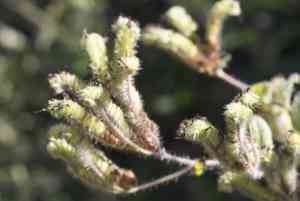
Oregon phacelia (Phacelia nemoralis)
Also known as: Forest Phacelia
Oregon phacelia (Phacelia oregonensis) is a sun-loving plant recognized for its vibrant purple to blue, bell-shaped flowers that bloom in clusters. Unlike shade-preferring species, it thrives in sunny, open habitats with well-drained soils. The plant has hairy, lobed leaves and can grow up to 1-2 feet tall. It is commonly found in dry, rocky, or sandy environments, such as coastal regions, grasslands, and open woodlands, particularly in Oregon and surrounding areas. Its morphology is suited to its preference for more exposed, less competitive habitats.
In This Article
Attributes of Oregon phacelia
Lifespan
Annual
Plant Type
Herb
Plant Height
30-90 cm (1-3 feet)
Spread
Approximately 30 cm (12 inches)
Leaf Color
Green
Flower Size
Around 1-1.5 cm (0.4-0.6 inches)
Flower Color
Lavender to blue
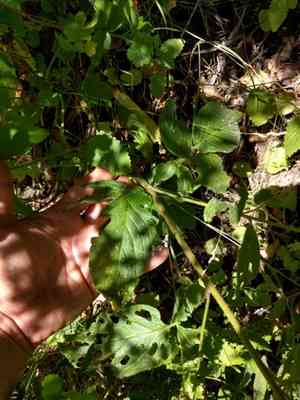
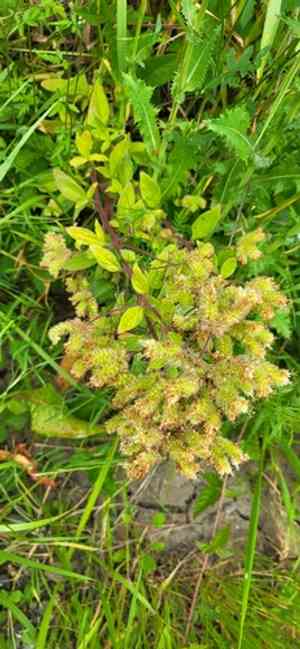
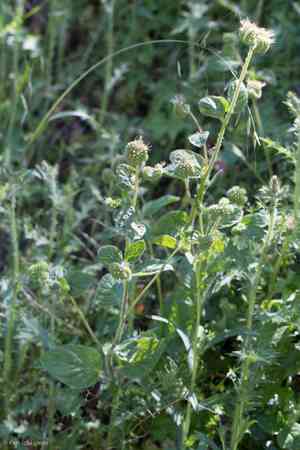
Images of Oregon phacelia
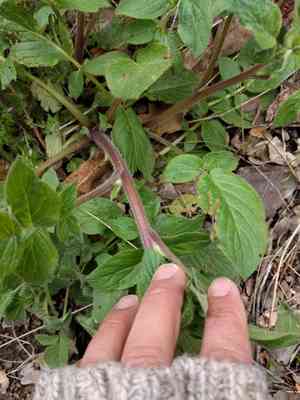
Quickly Identify Oregon phacelia
1
Phacelia nemoralis can be identified by its hairy stems and leaves, the latter of which are pinnately divided. The plant produces clusters of small, bell-shaped flowers that are typically lavender to blue in color.
Scientific Classification of Oregon phacelia
Phylum
Vascular plants
Class
Dicotyledons
Order
Boraginales
Family
Waterleaf
Genus
Heliotrope
Species
Oregon phacelia
Planting and Growing of Oregon phacelia
Care Difficulty
Easy
Watering Schedule
Every 4 days
Sunlight Requirements
Partial sun
Sunshine Duration
4-8 hours
Ideal Temperature
60-75℉
Soil Type
Potting Mix, Peat Mix
Soil pH
6-7.5
Fertilizer Type
Balanced
Pruning Season
Spring, Summer
Pruning Area
Branches, Leaves
Pruning Frequency
2 times a year
Repotting Season
Spring
Pot Type
Plastic, Ceramic
 How to Water Oregon phacelia?
Phacelia nemoralis thrives when its soil stays moderately moist. Ensure the top 2 inches of soil are damp but not soggy, simulating its natural environment. Use approximately 500 ml of water ensuring complete but controlled saturation.
What are the symptoms of an underwatered Oregon phacelia?
›
What should I do if my Oregon phacelia is not getting enough water?
›
What are the symptoms of an overwatered Oregon phacelia?
›
How to save an overwatered Oregon phacelia?
›
 What Are the Sunlight Requirements for Oregon phacelia?
Phacelia nemoralis ideally requires partial sun or full shade, making it perfect for understory planting. Optimal lighting fosters healthier and more vigorous growth, enhances flowering, and reduces pest attacks.
Question 1: Does Phacelia nemoralis prefer direct sunlight?
›
Question 2: How can I achieve this ideal light condition indoors?
›
Question 3: What are the benefits of providing the ideal lighting conditions?
›
 What Is the Ideal Temperature Range for Oregon phacelia?
The ideal temperature range for the growth of Phacelia nemoralis is between 60°F and 75°F. This range ensures optimal photosynthesis and nutrient absorption, contributing to the plant’s overall health and growth. Maintaining this temperature range can help avoid stress and promote robust flowering and foliage development.
 What Soil is Best for Oregon phacelia?
Phacelia nemoralis thrives in well-drained soil as it ensures the roots receive adequate oxygen without becoming waterlogged. This helps prevent root rot and promotes healthy growth. The plant prefers soil that retains some moisture but does not stay soggy. Ensuring the soil can maintain moisture without causing waterlogging supports continuous nutrient uptake and prevents dehydration. Phacelia nemoralis benefits from moderately fertile soil, which provides essential nutrients for growth. Maintaining balanced fertility ensures the plant can develop strong stems and vibrant blooms.
 How to Fertilize Oregon phacelia?
For Phacelia nemoralis, a moderate application of fertilizer is ideal. Typically, you should apply a liquid fertilizer at half of the recommended strength every two weeks during active growing seasons. Avoid heavy concentrations to prevent nutrient burn.
 How to Prune Oregon phacelia?
Begin by inspecting Phacelia nemoralis for any dead or damaged stems. Remove these with clean, sharp shears to prevent disease and allow the plant to focus its energy on healthy growth. Trim back overgrown stems to maintain the desired shape. Ensure each cut is made above a healthy leaf node. This not only prevents the plant from becoming unruly but also stimulates new growth in the desired areas. Pinch back the tips of young shoots. This step encourages the plant to grow outward rather than upward, resulting in a fuller, more lush appearance.
More About Pruning Techniques→
 How to Propagate Oregon phacelia plant?
1
Gather mature seeds from Phacelia nemoralis plants when the seed pods start to dry. Ensure that the seeds are fully matured for a better germination rate.
2
Use a well-draining potting mix suitable for seeds, incorporating some sand or perlite to improve soil aeration. This helps in preventing the young seedlings from getting root rot.
3
Choose a healthy non-flowering stem for cuttings. Cut a segment about 4-6 inches long, ensuring it has at least two nodes to improve chances of successful rooting.
 How to Repot Oregon phacelia plant?
1
Repotting Phacelia nemoralis is best done when you notice the roots are circling the bottom of the pot or the growth slows. These signs indicate the plant needs more space to thrive.
2
Select a new pot that is one size larger than the current one. This prevents overwatering by providing just enough extra space for root growth without leaving too much moist soil.
3
Choose a well-draining, sandy soil mix that retains enough moisture but does not become waterlogged. This balance helps simulate its natural habitat and supports healthy root development.
Learn More About Oregon phacelia Diseases
Anthracnose
Bacterial Leaf Spot
Bacterial Soft Rot
Bacterial Wilt
Chemical Injury
Crown Gall
Cyst Nematode
Damping-off
Downy Mildew
Drought Stress
Fusarium Wilt
Gray Mold
Leaf Curl
Leaf Spot
Mosaic
Nutrient Deficiency
Nutrient Toxicity
Powdery Mildew
Root Rot
Root-knot Nematode
Rusts
Sooty Mold
Spider Mites
Temperature Stress
Thrips Damage
White Mold



