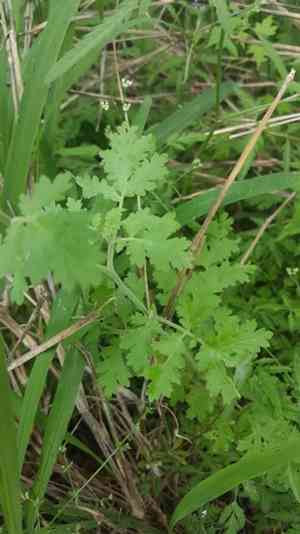
Blue curls (Phacelia congesta)
Also known as: Spike phacelia
The wildflower you're referring to is likely Blue Curls (Trichostema spp.). This annual or biennial plant has bell-shaped, lavender blossoms with extended yellow stamens. The buds start off in curled clusters and gradually unfurl as the flowers bloom, which is how it gets its common name.
In This Article
Attributes of Blue curls
Lifespan
Annual, Biennial
Plant Type
Herb
Plant Height
30 cm to 91 cm
Spread
30 cm
Leaf Color
Green
Flower Size
2.5 cm
Flower Color
Blue Purple Lavender
Images of Blue curls
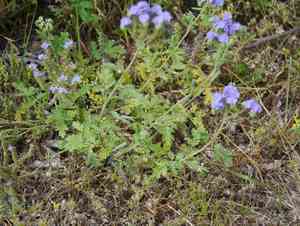
Quickly Identify Blue curls
1
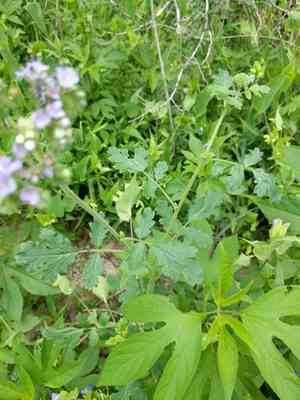
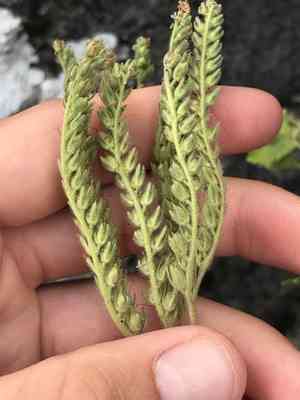
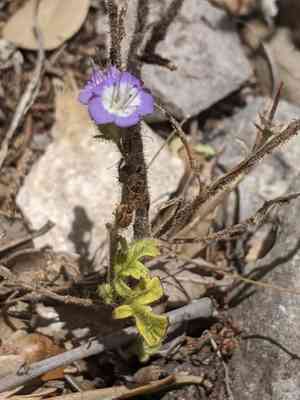
To identify Phacelia congesta, look for its densely packed clusters of blue to lavender flowers, which have a characteristic coiled or curled appearance. The leaves are deeply lobed and covered with hairs, and the plant can reach a height of up to 2 feet (60 cm).
Scientific Classification of Blue curls
Phylum
Vascular plants
Class
Dicotyledons
Order
Boraginales
Family
Waterleaf
Genus
Heliotrope
Species
Blue curls
Planting and Growing of Blue curls
Care Difficulty
Easy
Watering Schedule
Every 4 days
Sunlight Requirements
Full sun
Sunshine Duration
6-10 hours
Ideal Temperature
65-75℉
Soil Type
Potting Mix, Peat Mix
Soil pH
6.5-7.5
Fertilizer Type
Balanced
Pruning Season
Spring, Summer
Pruning Area
Branches, Leaves
Pruning Frequency
2 times a year
Repotting Season
Spring
Pot Type
Plastic, Ceramic
 How to Water Blue curls?
Phacelia congesta prefers to have its soil moderately moist. When watering, aim to keep the soil evenly drenched but not soggy, as excessive moisture can lead to root rot. Water slowly and deeply until you see the first signs of water draining from the pot's bottom.
What are the symptoms of an underwatered Blue curls?
›
What should I do if my Blue curls is not getting enough water?
›
What are the symptoms of an overwatered Blue curls?
›
How to save an overwatered Blue curls?
›
 What Are the Sunlight Requirements for Blue curls?
Phacelia congesta benefits most from full sun exposure, specifically 6-8 hours daily. Adequate sunlight ensures strong growth, enhanced blooming, and prevents issues related to insufficient light.
More About Sunlight Requirements Techniques→
Ideal Sunlight Exposure
›
Maximizing Daylight
›
Supplementary Light Strategies
›
 What Is the Ideal Temperature Range for Blue curls?
Phacelia congesta thrives best in mild temperatures ranging from 65°F to 75°F. This range ensures optimal growth as the plant is provided with the warmth necessary for photosynthesis and other metabolic processes.
 What Soil is Best for Blue curls?
Phacelia congesta thrives in well-draining soils that prevent waterlogging, which can lead to root rot. Ensuring good drainage supports healthy root development and vibrant plant growth. An aerated soil texture is crucial for Phacelia congesta, as it allows roots to access oxygen efficiently. This is vital for nutrient uptake and overall plant vigor. While not overly demanding, Phacelia congesta benefits from a nutrient-rich substrate, which encourages optimal flowering and growth. Incorporating organic matter into the soil can enhance its nutrient profile.
 How to Fertilize Blue curls?
Phacelia congesta, the charming Blue Curls, thrives with a balanced fertilization approach. For liquid fertilizers, dilute to half strength, applying around 200 ml per plant to avoid overfeeding and ensure healthy growth.
 How to Prune Blue curls?
Start by inspecting your Phacelia congesta for dead or diseased stems. Use sharp, clean shears to remove these areas to improve plant health. Trim back any overgrown stems to maintain a bushy appearance, enhancing airflow and light penetration to the center of the plant. Pruning should be conducted monthly to encourage growth of new blooms and maintain the compact shape of Phacelia congesta. This regular maintenance helps channel the plant's energy into producing healthier stems and more prolific flowering.
More About Pruning Techniques→
 How to Propagate Blue curls plant?
1
Collect seeds from matured pods in late summer. Clean and dry seeds thoroughly before storing them in a cool and dry place until ready for sowing in early spring.
2
Fill seed trays with a seed-starting mix. Scatter the seeds thinly across the surface, pressing them gently into the soil, then cover lightly with soil. Ensure they are evenly distributed to prevent overcrowding.
3
Place the seed tray in a warm, bright location with indirect sunlight. Maintain a consistent temperature of about 20°C and keep the soil evenly moist during germination. This process usually takes 2-3 weeks.
 How to Repot Blue curls plant?
1
Phacelia congesta signals the need for repotting when you notice slow growth or if the roots are peeking out of drainage holes, indicating they need more space to flourish. Spring and early summer provide the optimal conditions for repotting because the plant can recover and adjust during its active growth period.
2
Opt for a pot that is about 2 inches larger in diameter than the current one to give roots ample room to grow but not too large to risk over-watering. Ensure that your chosen pot has excellent drainage, which is crucial for preventing waterlogging and promoting healthy root development.
3
A well-draining soil mix is essential, such as one composed of sand, perlite, and a small amount of peat or loamy soil. This combination prevents root rot by allowing excess water to escape easily and provides an ideal balance of moisture and air around the roots, promoting robust growth.



