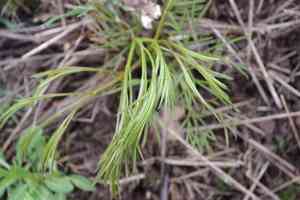
Peucedanum (Peucedanum) (Peucedanum)
Also known as: Masterwort, Hog's Fennel
*Daucus* is a genus of flowering plants within the carrot family, Apiaceae.
In This Article
Attributes of Peucedanum (Peucedanum)
Lifespan
Biennial, Perennial
Plant Height
30-90 cm (1-3 ft)
Spread
Not applicable
Leaf Color
Green
Flower Size
2-3 mm
Flower Color
White or yellow
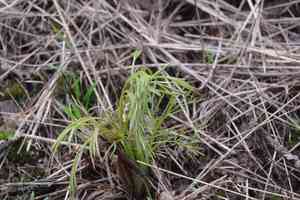
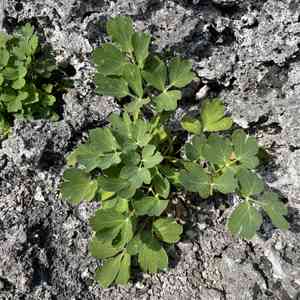
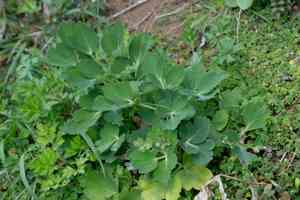
Images of Peucedanum (Peucedanum)
Quickly Identify Peucedanum (Peucedanum)
1
Peucedanum can be identified by its hollow stems, compound umbels of small flowers, and finely divided leaves. The flowers are typically white or yellow, and the plant has a distinctive aromatic odor when crushed.
Scientific Classification of Peucedanum (Peucedanum)
Phylum
Magnoliophyta
Class
Magnoliopsida
Order
Apiales
Family
Apiaceae
Genus
Peucedanum
Planting and Growing of Peucedanum (Peucedanum)
Care Difficulty
Moderate
Watering Schedule
Every 2 days
Sunlight Requirements
Partial sun
Sunshine Duration
6-12 hours
Ideal Temperature
60-75℉
Soil Type
Potting Mix, Peat Mix
Soil pH
6.5-7.5
Fertilizer Type
Balanced
Pruning Season
Spring, Summer
Pruning Area
Branches, Leaves
Pruning Frequency
2 times a year
Repotting Season
Spring
Pot Type
Plastic, Ceramic
 How to Water Peucedanum (Peucedanum)?
Peucedanum likes its soil to be kept consistently moist but not waterlogged. A good rule of thumb is to ensure the soil is damp up to about 2 inches, which translates to approximately 500 milliliters of water per session. This will adequately satisfy its need for moisture while avoiding root rot.
What are the symptoms of an underwatered Peucedanum (Peucedanum)?
›
What should I do if my Peucedanum (Peucedanum) is not getting enough water?
›
What are the symptoms of an overwatered Peucedanum (Peucedanum)?
›
How to save an overwatered Peucedanum (Peucedanum)?
›
 What Are the Sunlight Requirements for Peucedanum (Peucedanum)?
Peucedanum benefits most from partial sun exposure, receiving sunlight for part of the day. This enhances foliage density and supports a sturdy growth habit crucial for its development.
What is the best type of light for Peucedanum?
›
How can you achieve ideal light conditions for Peucedanum?
›
What are the benefits of providing ideal light conditions for Peucedanum?
›
 What Is the Ideal Temperature Range for Peucedanum (Peucedanum)?
Peucedanum thrives best within a temperature range of 60 to 75°F. This range ensures optimal metabolic processes and growth rates. Maintaining this temperature range will enhance the plant's vigor and resilience, fostering healthy development and vibrant foliage.
 What Soil is Best for Peucedanum (Peucedanum)?
Peucedanum thrives best in soil that has moderate moisture retention capabilities, allowing it to access water without becoming waterlogged. This helps in maintaining a consistent climatic condition vital for its growth. A soil rich in organic nutrients immensely benefits Peucedanum by providing essential minerals and compounds. These nutrients are crucial for its complex biochemical processes, leading to healthy development and vibrant foliage. While Peucedanum needs moisture, good drainage is vital to prevent root rot. Good draining soil ensures excess water flows away, preventing conditions that could adversely affect its rooting system.
 How to Fertilize Peucedanum (Peucedanum)?
For Peucedanum, it is crucial to be mindful of the quantity of fertilizer used. A gentle approach works best, starting with a half-strength dilution for liquid fertilizers. For slow-release fertilizers, follow the manufacturer's instructions to avoid over-fertilizing, typically using a small scoop around the base of the plant.
 How to Prune Peucedanum (Peucedanum)?
Begin the pruning process by observing the plant closely to identify any dead, damaged, or non-productive stems. Use sharp, sterilized pruning shears to make clean cuts. Aim to remove about one-third of the plant's volume to maintain its natural shape and promote vigorous growth. Trim back overly long stems to a node and ensure an open center for light penetration. For an aesthetically pleasing shape, trim the Peucedanum to maintain its natural form, cutting back branches that disrupt symmetry. Pay attention to the plant's outline while keeping its characteristic grace. Regular maintenance will help prevent the plant from becoming too woody or misshapen.
 How to Propagate Peucedanum (Peucedanum) plant?
1
Collect seeds from mature Peucedanum plants in late summer or early autumn. Ensure that the seeds are fully mature to guarantee the highest chance of successful germination. Store seeds in a cool and dry place until ready for planting.
2
Use a well-draining soil mix for seed planting. Preparing the soil by ensuring it is loose and rich in organic matter can significantly improve the chances of successful propagation.
3
Divide established Peucedanum clumps in early spring or late autumn. Separate the roots carefully into smaller sections, making sure each section has enough roots to support itself in the new planting site.
 How to Repot Peucedanum (Peucedanum) plant?
1
You will know it's time to repot Peucedanum when you notice confined roots circling the pot's bottom, slow growth, or the soil is drying out faster than usual. These are all signs that the plant has outgrown its container and requires more space to thrive.
2
Select a pot that is only a couple of inches larger in diameter than the current one. This helps prevent over-watering and allows for easier moisture management. The pot should have drainage holes to prevent water accumulation at the base, which can cause root rot.
3
Peucedanum prefers a well-draining potting mix, ideally with a blend of organic compost, coarse sand, and perlite. This combination provides excellent aeration and prevents the soil from becoming overly compacted, which can restrict root growth and lead to poor plant health.
Toxicity
Ingestion
WARNING
The judgment on toxicity and danger is for reference only. We DO NOT GUARANTEE any accuracy of such judgment. Therefore, you SHALL NOT rely on such judgment. It is IMPORTANT TO SEEK PROFESSIONAL ADVICE in advance when necessary.
Learn More About Peucedanum (Peucedanum) Diseases
Anthracnose
Bacterial Leaf Spot
Bacterial Soft Rot
Bacterial Wilt
Damping-off
Downy Mildew
Drought Stress
Fusarium Wilt
Gray Mold
Leaf Spot
Mosaic
Nutrient Deficiency
Nutrient Toxicity
Powdery Mildew
Root Rot
Root-knot Nematode
Rusts
Sooty Mold
Spider Mites
Temperature Stress
Thrips Damage
White Mold

