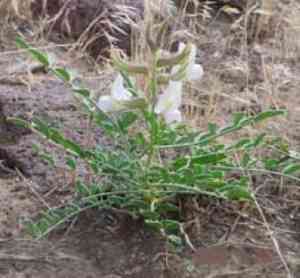
Peteria (Peteria) (Peteria)
Also known as: None
Peteria is a genus of flowering plants in the pea family, Fabaceae, known for its herbaceous perennials or shrubs. The plants typically thrive in arid or semi-arid regions.
In This Article
Attributes of Peteria (Peteria)
Lifespan
Perennial
Plant Height
0.3 to 1 meter
Spread
0.5 to 2 meters
Leaf Color
Green
Flower Size
1 to 2 cm
Flower Color
Yellow, Purple
Images of Peteria (Peteria)
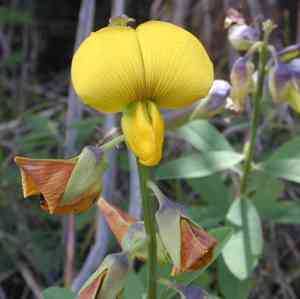
Quickly Identify Peteria (Peteria)
1
Peteria can be identified by its compound leaves, racemes of small flowers, and leguminous pods. The flowers are usually arranged in loose clusters, predominantly in yellow or purple colors.
Scientific Classification of Peteria (Peteria)
Phylum
Tracheophyta
Class
Magnoliopsida
Order
Fabales
Family
Fabaceae
Genus
Peteria
Planting and Growing of Peteria (Peteria)
Care Difficulty
Hard
Watering Schedule
Every 2 days
Sunlight Requirements
Full sun
Sunshine Duration
4-8 hours
Ideal Temperature
65-75℉
Soil Type
Potting Mix, Peat Mix
Soil pH
6.5-7.5
Fertilizer Type
Balanced
Pruning Season
Spring, Summer
Pruning Area
Branches, Leaves
Pruning Frequency
2 times a year
Repotting Season
Spring
Pot Type
Plastic, Ceramic
 How to Water Peteria (Peteria)?
For the Peteria plant, it is important to adhere to a moderate watering regime. Generally, around 150 milliliters of water per session is sufficient to meet its hydration requirements. The key is to ensure that the soil is evenly moist, but not saturated, allowing for adequate drainage. An important guideline is to water until you see a slight drain from the bottom of the pot, which indicates the soil is adequately moistened without being waterlogged.
What are the symptoms of an underwatered Peteria (Peteria)?
›
What should I do if my Peteria (Peteria) is not getting enough water?
›
What are the symptoms of an overwatered Peteria (Peteria)?
›
How to save an overwatered Peteria (Peteria)?
›
 What Are the Sunlight Requirements for Peteria (Peteria)?
For Peteria, an ideal light range encompasses full to partial sun, with 4-8 hours of light daily enhancing its growth and flowering. Adequate lighting means vibrant foliage, healthier structures, and thriving blooms, resulting in standout garden presence.
How much light does Peteria need?
›
Where should I place my Peteria for ideal lighting?
›
What are the benefits of giving Peteria ideal light?
›
 What Is the Ideal Temperature Range for Peteria (Peteria)?
The ideal temperature range for Peteria growth is between 65°F and 75°F. This range provides the optimal conditions for its metabolic processes, allowing for healthy development and flowering. Maintaining this temperature range ensures that the plant can photosynthesize efficiently and absorb nutrients effectively, leading to vibrant growth.
 What Soil is Best for Peteria (Peteria)?
Peteria thrives in well-drained soils. This prevents water from stagnating around the roots, thus reducing the risk of root rot and ensuring optimal nutrient absorption for healthy growth. Incorporating organic matter into the soil is beneficial for Peteria. It enhances soil fertility, improves structure, and provides a steady release of nutrients that supports the plant's growth over time. A nutrient-rich substrate is vital for Peteria as it requires a good supply of essential minerals for its vibrant foliage and blossoms. Adequate nutrients promote resilience against diseases and support overall vitality.
 How to Fertilize Peteria (Peteria)?
For Peteria, use a balanced 10-10-10 liquid fertilizer. Dilute at half strength; apply 200 ml per plant monthly during active growth. Adjust amount based on plant size and growth rate.
 How to Prune Peteria (Peteria)?
Before pruning Peteria, ensure you have the right tools: sharp shears or pruners. Disinfect them with alcohol to prevent the spread of any potential diseases. A clean cut means a quicker recovery for the plant. Remove any dead, damaged, or diseased branches first. Look for stems that cross or rub against each other and trim them to improve airflow and light penetration. This will foster a healthier and more vigorous plant. Always cut at a 45-degree angle to prevent water accumulation on the cut surface. Aim to cut just above a leaf node to stimulate new growth. Ensure your cuts are clean and precise to avoid unnecessary damage to the plant. After pruning, collect all fallen leaves or branches and dispose of them properly. This helps to prevent pests and diseases from taking hold. A tidy workspace makes for a healthier environment for the plant.
 How to Propagate Peteria (Peteria) plant?
1
Choose healthy stems, free of disease, and make clean cuts just below a node to prepare for propagation. Ideally, the cuttings should be 4-6 inches long.
2
Use a well-draining potting mix, preferably one rich in perlite and peat. Fill containers with this mix, ensuring good drainage, to plant the cuttings or seeds.
3
Dip the cut end of each cutting into rooting hormone before placing it in the prepared soil. Firm the soil around the base to secure it upright.
 How to Repot Peteria (Peteria) plant?
1
Peteria requires repotting when you notice roots emerging from the drainage holes or if the plant becomes top-heavy. These signs indicate that the roots have outgrown their current space, signaling that it's time for a new pot.
2
Opt for a pot that's one size larger than the current one with adequate drainage holes. This allows for root expansion while preventing waterlogging, which can lead to root rot. Terracotta is a good choice as it facilitates moisture evaporation.
3
Peteria prefers a well-draining cactus mix, ideally with added perlite or sand. This composition helps in rapid water drainage and provides the root system with ample aeration, ensuring healthy growth while preventing root rot.
Learn More About Peteria (Peteria) Diseases
Anthracnose
Bacterial Leaf Spot
Bacterial Wilt
Crown Gall
Cyst Nematode
Damping-off
Downy Mildew
Drought Stress
Fusarium Wilt
Gray Mold
Leaf Spot
Mosaic
Nutrient Deficiency
Nutrient Toxicity
Powdery Mildew
Root Rot
Root-knot Nematode
Rusts
Sooty Mold
Spider Mites
Temperature Stress
Thrips Damage
White Mold

