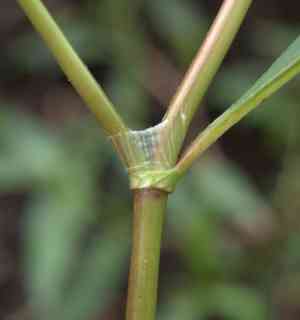
Lady's thumb (Persicaria maculosa)
Also known as: Red leg, Jesusplant
Persicaria maculosa, also known as lady's thumb or redshank, is an annual plant that can reach a height of up to 80 cm (about 2.6 feet). Originating from Eurasia, its range spans from Iceland to Japan. It has also established itself as an invasive species in North America. Typically regarded as a weed, this plant is seldom deliberately cultivated.
In This Article
Attributes of Lady's thumb
Lifespan
Annual, Biennial, Perennial
Plant Type
Herb
Plant Height
80 cm
Spread
13 cm to 36 cm
Leaf Color
Green Variegated Black
Flower Size
2.5 mm
Flower Color
Pink White Red
Images of Lady's thumb
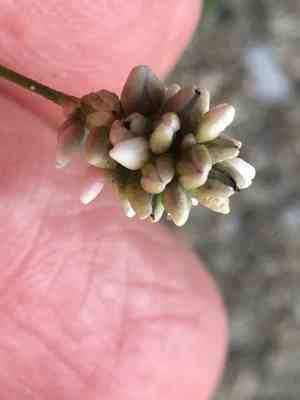
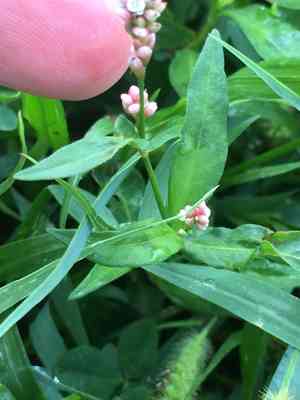
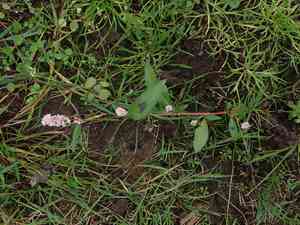
Quickly Identify Lady's thumb
1
Identification of Persicaria maculosa can be done by looking for the characteristic dark, thumb-shaped spot on the center of the leaves. The stems are often reddish and the flowers are small, pink to white, clustered at the tip of the stems.
Scientific Classification of Lady's thumb
Phylum
Vascular plants
Class
Dicotyledons
Order
Caryophyllales
Family
Buckwheat
Genus
Persicaria
Species
Lady's thumb
Planting and Growing of Lady's thumb
Care Difficulty
Easy
Watering Schedule
Every 2 days
Sunlight Requirements
Full sun
Sunshine Duration
6-10 hours
Ideal Temperature
65-75℉
Soil Type
Potting Mix, Peat Mix
Soil pH
6.5-7.5
Fertilizer Type
Balanced
Pruning Season
Spring, Summer
Pruning Area
Branches, Leaves
Pruning Frequency
2 times a year
Repotting Season
Spring
Pot Type
Plastic, Ceramic
 How to Water Lady's thumb?
Persicaria maculosa should be watered thoroughly, ensuring the soil remains consistently moist but not waterlogged. Around 500 ml of water is typical, but it can vary depending on climate and soil permeability.
What are the symptoms of an underwatered Lady's thumb?
›
What should I do if my Lady's thumb is not getting enough water?
›
What are the symptoms of an overwatered Lady's thumb?
›
How to save an overwatered Lady's thumb?
›
 What Are the Sunlight Requirements for Lady's thumb?
Partial to full sunlight suits Persicaria maculosa best, allowing it to photosynthesize efficiently, leading to healthier growth, richer leaf color, and enhanced flowering.
What is the ideal lighting condition?
›
How can you provide the ideal sunlight?
›
What are the benefits of ideal lighting?
›
 What Is the Ideal Temperature Range for Lady's thumb?
The ideal temperature range for Persicaria maculosa, commonly known as spotted knotweed, typically falls between 65°F and 75°F. This temperature range provides optimal conditions for its growth and development, ensuring healthy foliage and robust flowering. It's important to maintain these temperatures to promote better nutrient uptake and avoid stress on the plant.
 What Soil is Best for Lady's thumb?
Persicaria maculosa thrives in well-draining soil conditions that prevent waterlogging, a common issue that can lead to root rot. Ensuring good drainage promotes healthy root development and optimal access to nutrients. A nutrient-rich substrate helps in the robust growth of Persicaria maculosa. Such soil supports the plant’s rapid growth phase, ensuring it has all the essential minerals for a healthy lifecycle. This plant appreciates soil that can retain some moisture without becoming waterlogged. Balanced moisture levels cater to its requirements during dry spells and support continuous growth.
 How to Fertilize Lady's thumb?
For Persicaria maculosa, use a balanced fertilizer diluted to half strength. Apply about half a cup per plant, ensuring even distribution to avoid over-concentration in any spot. This ensures the plant receives necessary nutrients without the risk of burning roots or foliage.
 How to Prune Lady's thumb?
Begin by examining the plant to identify which stems need pruning. Look for any dead, damaged, or diseased stems, as these should be the first to go. Additionally, stems that are overly elongated or disrupting the plant's desired shape should be considered for removal. Before making any cuts, ensure your pruning shears are clean and sharp to prevent the spread of disease. Wipe the blades with a cloth soaked in rubbing alcohol to sterilize them effectively, ensuring a clean and safe prune. Make your cuts at a slight angle rather than straight across the stem. This angled cut prevents water from accumulating on the cut surface, reducing the risk of fungal infections and promoting quicker healing. Cut back about a third of the healthy stems to encourage bushier growth. This promotes the development of new shoots and can lead to more vibrant foliage and flowering. Always prune back to above a leaf node to stimulate new growth from that point.
 How to Propagate Lady's thumb plant?
1
Sow the seeds in a seed tray filled with nutrient-rich soil. Cover the seeds lightly with soil and water them gently to keep the soil moist but not waterlogged.
2
Select a healthy stem and make a clean cut just below a node. Remove the lower leaves and dip the cut end in rooting hormone to promote root growth.
3
Insert the cuttings into a pot filled with moist potting soil or peat. Ensure that the soil remains consistently moist and place the pot in a warm, indirect light location.
 How to Repot Lady's thumb plant?
1
Repotting for Persicaria maculosa is best done when you notice the roots are growing out of the pot's drainage holes, or when the plant appears stunted. These are signs that it's outgrown its current living space and requires more room to thrive.
2
Select a pot that is 2-3 inches larger than the current one. The material of the pot should allow for adequate drainage; terracotta is a good option. A well-sized pot prevents waterlogging and offers the roots additional space, fostering healthier growth.
3
Opt for a well-draining garden soil mixed with organic matter. This blend offers a balance of moisture retention and drainage, preventing root rot while providing the necessary nutrients the plant needs for robust growth.
Learn More About Lady's thumb Diseases
Anthracnose
Bacterial Leaf Spot
Bacterial Soft Rot
Bacterial Wilt
Black Spot
Chemical Injury
Damping-off
Downy Mildew
Drought Stress
Fusarium Wilt
Gray Mold
Leaf Spot
Mosaic
Nutrient Deficiency
Nutrient Toxicity
Powdery Mildew
Root Rot
Root-knot Nematode
Rusts
Sooty Mold
Spider Mites
Temperature Stress
Thrips Damage
White Mold



