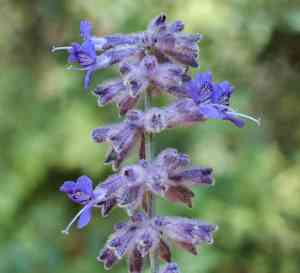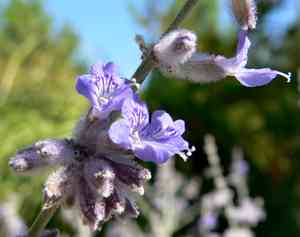
Russian sage(Perovskia atriplicifolia)

Russian sage (Perovskia atriplicifolia)

Also known as: Russian Sage, Blue Spire

Russian sage (Perovskia atriplicifolia) is a versatile plant with various applications across different sectors:

1. **Horticulture and Landscaping**: Renowned for its resilience, drought resistance, and appealing silvery leaves paired with lavender-blue flowers. It is popular for enhancing garden aesthetics and supporting pollinator populations, particularly bees and butterflies.

2. **Traditional Uses**: In regions like Kashmir, the flowers are utilized to produce natural dyes for textiles, highlighting its cultural significance.

3. **Pest Control**: The essential oil from Russian sage has been formulated into a biopesticide, effective against ants and specific beetle species.

4. **Environmental Remediation**: The plant is being explored for its potential in phytoremediation, the process of using plants to remove heavy metals from contaminated soils.

These applications underscore Russian sage’s importance in gardening, traditional practices, pest management, and environmental science.

Attributes of Russian sage

Lifespan
Perennial
Plant Type
Shrub
Plant Height
50 cm to 1.2 m
Spread
60 cm to 1.2 m
Leaf Color
Green Gray Silver
Flower Size
0.5 inches (1.25 cm)
Flower Color
Blue Purple Violet Mauve

ForwardPlant - Identify plants with a snap

Identify and diagnose plants, get toxicity alerts, and explore safety guides for all types of fungi.

Try for Free

Images of Russian sage

Russian sage(Perovskia atriplicifolia)

Quickly Identify Russian sage

1
Identify Perovskia atriplicifolia by its wispy, upright stems that can reach up to 3-5 feet tall. The leaves are deeply lobed and greyish-green, releasing a pleasant aroma when crushed. The plant features spikes of small, tubular, two-lipped flowers that are lavender-blue.

Scientific Classification of Russian sage

Phylum
Vascular plants
Class
Dicotyledons
Order
Lamiales
Family
Mint
Genus
Perovskia
Species
Russian sage

Planting and Growing of Russian sage

Care Difficulty
Easy
Watering Schedule
Every 2 days
Sunlight Requirements
Full sun
Sunshine Duration
6-10 hours
Ideal Temperature
60-85℉
Soil Type
Potting Mix, Peat Mix
Soil pH
6.5-7.5
Fertilizer Type
Balanced
Pruning Season
Spring, Summer
Pruning Area
Branches, Leaves
Pruning Frequency
2 times a year
Repotting Season
Spring
Pot Type
Plastic, Ceramic

water icon How to Water Russian sage?

Perovskia atriplicifolia prefers soil that is allowed to dry out between waterings. Water deeply, ensuring that the water reaches the root zone, approximately 500 ml per plant, but do not let the soil remain soggy.
What are the symptoms of an underwatered Russian sage?
What should I do if my Russian sage is not getting enough water?
What are the symptoms of an overwatered Russian sage?
How to save an overwatered Russian sage?
More About Watering Techniques

sunlight icon What Are the Sunlight Requirements for Russian sage?

Sunlight Requirements: Full sun
Duration of light: 6 to 8 hours
The ideal condition for Perovskia atriplicifolia is full sun, with continuous exposure for 6 to 8 hours daily. This light range enhances its flowering potential and maintains compact growth, crucial for its decorative use in landscaping.
How to Achieve Ideal Light Conditions?
What Solutions Can Provide Ideal Light?
What Are the Benefits of Ideal Lighting?
More About Sunlight Requirements Techniques

temperature icon What Is the Ideal Temperature Range for Russian sage?

Ideal Temperature: 60 ~ 85℉
Perovskia atriplicifolia, commonly known as Russian Sage, thrives best in environments where the temperature is consistently between 60°F and 85°F. This range offers optimal conditions for its growth, ensuring that metabolic activities occur efficiently, leading to lush foliage and vibrant flowering. Maintaining this temperature range helps the plant to fully utilize nutrients and undergo photosynthesis effectively.

soil icon What Soil is Best for Russian sage?

Soil type: Sandy soil, Loam, Sandy loam
Soil PH: 6.5 ~ 7.5
Perovskia atriplicifolia thrives in well-drained soil, preventing root rot and ensuring healthy growth. This type of soil allows water to flow through easily and does not retain excess moisture, which is crucial for the plant's roots. Surprisingly, Perovskia atriplicifolia does well in soil that is not overly rich in nutrients. It prefers lean soil conditions, which mimic its natural habitat and prevent excessive foliage growth at the expense of blooms. A gritty, gravelly soil composition benefits Perovskia by providing excellent drainage and mimicking its native growing conditions. This texture helps stabilize the plant, providing better support in windy conditions. More About Soil

fertilize icon How to Fertilize Russian sage?

Fertilizer type: Balanced
Perovskia atriplicifolia requires a moderate amount of fertilizer. When using liquid fertilizer, apply approximately one tablespoon diluted in a gallon of water per application. For slow-release fertilizers, use about one ounce spread evenly around the base of the plant per application. More About Fertilizing Techniques

prune icon How to Prune Russian sage?

Pruning Time: Spring, Summer
Do not cut into the woody base of the plant as this can stunt growth or potentially kill your sage. Always leave a few inches of last year’s growth to give the plant a head start into the new season. Check for any signs of disease or pests during pruning. Remove any diseased or dead parts of the plant immediately to prevent them from spreading and compromising the plant's health. Be careful of the sap, which may irritate sensitive skin. Consider wearing gloves and long sleeves while pruning to protect yourself from potential irritation. More About Pruning Techniques

propagate icon How to Propagate Russian sage plant?

Propagate Time: Early spring,Spring,Late spring,Early summer
1
Select healthy, non-flowering stems in the morning when moisture content is high. Cut 4-6 inch segments just below a node for optimal rooting potential.
2
Sow seeds in seed starter trays with well-draining compost. Cover lightly with soil and water gently. Maintain consistent moisture and warmth for better germination.
3
Carefully remove mature plants from the ground and separate root clumps. Replant in prepared soil, ensuring roots have good contact with the soil.
More About Propagating Techniques

repot icon How to Repot Russian sage plant?

Repotting frequency: Every 2-3 years
1
Perovskia atriplicifolia needs repotting when roots outgrow the pot or soil quality diminishes. Yellowing leaves or stunted growth are also signs. Ideally, repot in early spring or fall to minimize stress.
2
Select a pot that's just 1-2 inches larger in diameter than the current one. This aids in preventing overwatering and encourages healthy root growth without risking shock to the plant.
3
Opt for a well-draining sandy loam. This type of soil ensures the roots are not waterlogged, providing the perfect environment for Perovskia to thrive by mimicking its native conditions.

ForwardPlant - Identify plants with a snap

Find the best spots for them to optimize their health, simply using your phone.

Try for Free