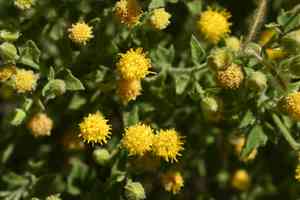
Springdale rockdaisy (Perityle tenella)
Also known as: Tenella Rock Daisy
The Edelweiss is a hardy perennial known for its soft, slender stems and small, daisy-like white flowers that thrive in high-altitude regions. This plant is well-suited to rocky slopes and crevices, with its compact leaves designed to retain moisture in harsh, mountainous environments. Despite its delicate appearance, it thrives in challenging conditions, making it a symbol of resilience in its rugged habitat.
In This Article
Attributes of Springdale rockdaisy
Lifespan
Annual
Plant Type
Herb
Plant Height
10-30 cm
Spread
Not specific, usually low and sprawling
Leaf Color
Green
Flower Size
1-2 cm
Flower Color
Yellow
Images of Springdale rockdaisy
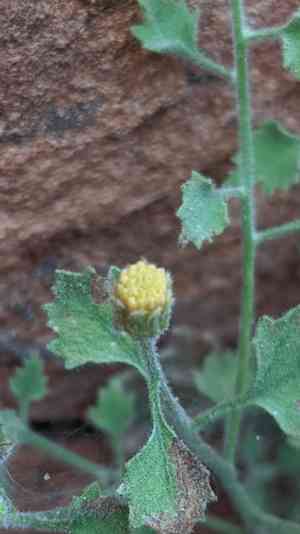
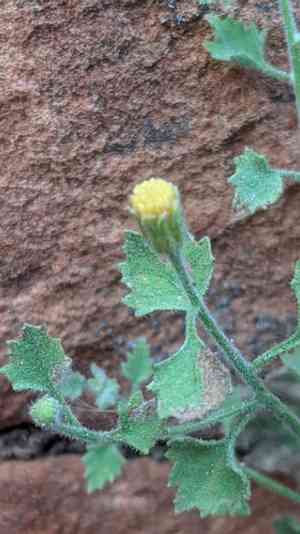
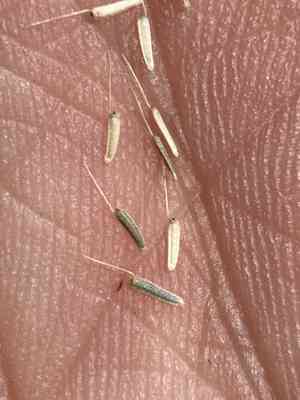
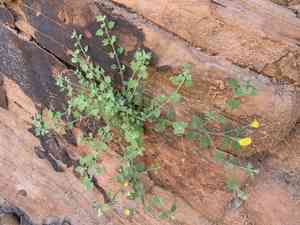
Quickly Identify Springdale rockdaisy
1
Identify Perityle tenella by its small, bright yellow flower heads and thin, wiry, branching stems. The leaves are small, often lobed or deeply cut.
Scientific Classification of Springdale rockdaisy
Phylum
Vascular plants
Class
Dicotyledons
Order
Asterales
Family
Daisy
Genus
Rock daisies
Species
Springdale rockdaisy
Planting and Growing of Springdale rockdaisy
Care Difficulty
Moderate
Watering Schedule
Every 2 days
Sunlight Requirements
Full sun
Sunshine Duration
4-6 hours
Ideal Temperature
65-75℉
Soil Type
Potting Mix, Peat Mix
Soil pH
6.5-7.5
Fertilizer Type
Balanced
Pruning Season
Spring, Summer
Pruning Area
Branches, Leaves
Pruning Frequency
2 times a year
Repotting Season
Spring
Pot Type
Plastic, Ceramic
 How to Water Springdale rockdaisy?
For Perityle tenella, it is ideal to water until the soil is uniformly moist but not soggy, around 100 ml per watering session. Consistent moisture helps the plant thrive, ensuring that its delicate roots receive adequate hydration without overwhelming them.
What are the symptoms of an underwatered Springdale rockdaisy?
›
What should I do if my Springdale rockdaisy is not getting enough water?
›
What are the symptoms of an overwatered Springdale rockdaisy?
›
How to save an overwatered Springdale rockdaisy?
›
 What Are the Sunlight Requirements for Springdale rockdaisy?
Perityle tenella prefers full to partial sun exposure, with the ideal setup enabling it to bask in sunlight for 6 to 8 hours daily. This exposure bolsters photosynthesis, promoting healthy foliage and optimal flower production.
How much light does Perityle tenella need?
›
Why is proper lighting crucial for Perityle tenella?
›
What are effective strategies for optimizing light exposure for Perityle tenella?
›
 What Is the Ideal Temperature Range for Springdale rockdaisy?
The ideal temperature range for cultivating Perityle tenella is between 65°F and 75°F. Within this range, the plant can optimally perform photosynthesis, resulting in healthy growth and vibrant foliage. Maintaining this temperature range also supports beneficial microbial activity in the soil, which contributes to the plant's overall well-being.
 What Soil is Best for Springdale rockdaisy?
Perityle tenella thrives in well-drained soils that prevent water accumulation around the roots. This feature helps avoid root rot and ensures that the plant receives enough oxygen for healthy growth. The plant prefers soil with moderate nutrient levels. Overly rich soil can lead to excessive foliage growth at the expense of blooms, while nutrient-poor soil can stunt its development. Aerated soil is crucial for the plant's roots to expand and absorb nutrients efficiently. It enhances growth by facilitating air penetration, contributing significantly to the plant's thriving nature.
 How to Fertilize Springdale rockdaisy?
For Perityle tenella, a modest amount of fertilizer is usually sufficient. When using liquid fertilizer, dilute it to half strength and apply approximately 100ml per plant. For slow-release granules, apply about 10 grams around the base, avoiding direct contact with the stem.
 How to Prune Springdale rockdaisy?
Start by identifying dead or diseased stems; snip these off near the base. Next, trim back any straggly growth to create a more uniform shape. Finally, focus on any branches that cross or rub against each other, cutting them away to prevent damage and improved air circulation. Continuously monitor the plant's growth and remove dying leaves or overly long stems. This ensures that the Perityle tenella receives sufficient light and air, promoting a healthy, vibrant appearance.
More About Pruning Techniques→
 How to Propagate Springdale rockdaisy plant?
1
Begin propagation by selecting high-quality seeds. Ensure seeds are from a reputable source and check for any signs of damage or pests to maximize germination success.
2
Fill a seed tray with a well-draining, sterile growing medium. Moisten the soil slightly before sowing to provide an ideal environment for the seeds to thrive.
3
Sow the seeds evenly across the prepared seed tray, gently pressing them into the soil surface. Cover lightly with a thin layer of soil, ensuring they remain in contact with the moisture below.
 How to Repot Springdale rockdaisy plant?
1
Perityle tenella signals the need for repotting when its roots start to outgrow the current pot, emerging through the drainage holes or becoming densely packed. Another sign is when the growth appears stunted despite favorable conditions. Ideally, repot during active growth in spring or summer when the plant can best adapt to new conditions.
2
Select a pot that is just one size larger than the current one. This ensures that the plant's roots have room to grow without being overwhelmed by excess soil. A pot with good drainage holes is essential to prevent water stagnation, which can lead to root rot, ensuring that the plant remains healthy in its new home.
3
Opt for a well-draining cactus mix, which closely mimics the plant's natural habitat. This type of soil ensures adequate aeration and prevents water from pooling, lowering the risk of root diseases. A coarse texture with organic components will help retain some moisture while ensuring that excess water drains away.
Learn More About Springdale rockdaisy Diseases
Anthracnose
Bacterial Leaf Spot
Bacterial Soft Rot
Bacterial Wilt
Black Spot
Chemical Injury
Crown Gall
Cyst Nematode
Damping-off
Downy Mildew
Drought Stress
Fusarium Wilt
Gray Mold
Leaf Curl
Leaf Spot
Mosaic
Nutrient Deficiency
Nutrient Toxicity
Powdery Mildew
Root Rot
Root-knot Nematode
Rusts
Sooty Mold
Spider Mites
Temperature Stress
Thrips Damage
White Mold


