Perilla (Perilla) (Perilla)
Also known as: Shiso, Beefsteak Plant, Perilla Mint, Purple Mint
Perilla is a genus of flowering plants within the mint family, comprising both a key crop and several wild species. Renowned for their aromatic properties, various Perilla species and varieties are integral to Japanese and Korean cuisines, where their leaves, seeds, and sprouts are utilized. Despite their culinary value, Perilla plants have become invasive in certain areas.
In This Article
Attributes of Perilla (Perilla)
Lifespan
Annual
Plant Height
30-100 cm
Spread
20-50 cm
Leaf Color
Green, Purple
Flower Size
0.5-1 cm
Flower Color
White, Purple
Images of Perilla (Perilla)
Quickly Identify Perilla (Perilla)
1
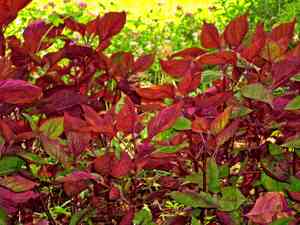
Perilla plants have broad, slightly serrated leaves that are either green or purple. The leaves are typically ovate and have a distinctively aromatic quality when crushed. The plant\'s stems are square, a characteristic of the mint family, and it produces small, white to purple flowers in terminal spikes.
Scientific Classification of Perilla (Perilla)
Phylum
Magnoliophyta
Class
Magnoliopsida
Order
Lamiales
Family
Lamiaceae
Genus
Perilla
Planting and Growing of Perilla (Perilla)
Care Difficulty
Easy
Watering Schedule
Every 8 days
Sunlight Requirements
Full sun
Sunshine Duration
4-6 hours
Ideal Temperature
68-77℉
Soil Type
Potting Mix, Peat Mix
Soil pH
6-7.5
Fertilizer Type
Balanced
Pruning Season
Spring, Summer
Pruning Area
Branches, Leaves
Pruning Frequency
2 times a year
Repotting Season
Spring
Pot Type
Plastic, Ceramic
 How to Water Perilla (Perilla)?
Perilla plants thrive when watered consistently but not excessively. It's essential to ensure the soil is moist but not soggy. A good rule of thumb is to water until you see moisture just starting to emerge from the pot's drainage holes, indicating that the roots have received sufficient moisture without being waterlogged.
What are the symptoms of an underwatered Perilla (Perilla)?
›
What should I do if my Perilla (Perilla) is not getting enough water?
›
What are the symptoms of an overwatered Perilla (Perilla)?
›
How to save an overwatered Perilla (Perilla)?
›
 What Are the Sunlight Requirements for Perilla (Perilla)?
Perilla prospers under full sun or partial sun conditions. Optimal light exposure encourages denser leaf production, enhances flavor through increased essential oil synthesis, and supports vigorous growth.
How much direct sunlight does Perilla need?
›
Can Perilla survive with partial sunlight?
›
What is the best planting position for Perilla?
›
 What Is the Ideal Temperature Range for Perilla (Perilla)?
Perilla thrives best between 68°F and 77°F. This temperature range ensures optimal photosynthesis and growth, as the plant can efficiently produce its necessary energy and nutrients. Consistent temperatures within this range facilitate healthy leaf and stem development.
 What Soil is Best for Perilla (Perilla)?
Perilla thrives in well-draining soil which prevents waterlogging and root rot, ensuring healthy root growth. Using sandy loam encourages water to drain efficiently while retaining sufficient moisture. Using soil that is rich in organic matter provides Perilla with essential nutrients for lush growth. Incorporating compost or well-rotted manure can enhance nutrient availability, resulting in vibrant foliage. Perilla prefers soils with a pH range from 6.0 to 7.5. This range ensures that essential nutrients remain accessible to the plant, promoting optimal growth and healthy development.
 How to Fertilize Perilla (Perilla)?
For Perilla, the amount of fertilizer should be moderate. Use a balanced fertilizer with a nutrient ratio of 10-10-10. Apply 1 tablespoon of liquid fertilizer diluted in a gallon of water during the growing season to promote healthy foliage and vibrant leaves.
 How to Prune Perilla (Perilla)?
To prune Perilla, start by identifying any dead or damaged leaves and stems. Using a pair of clean and sharp scissors, snip these parts off just above a node. This ensures the plant will focus its energy on new, healthy growth. The goal is to maintain a compact shape, so continue to trim back any overgrown stems to the desired height and shape. Make sure to cut just above a leaf node to stimulate branching and fuller growth. For a bushier plant, regularly pinch off the growing tips of the Perilla. This technique involves using your fingers to remove the top set of leaves at the end of each stem. By doing this, the plant is prompted to grow more lateral branches, resulting in a fuller appearance. Regularly turning and pinching the plant will ensure even growth from all directions, creating a robust and aesthetically pleasing plant.
 How to Propagate Perilla (Perilla) plant?
1
Choose high-quality Perilla seeds from a reliable source. Examine the seeds for any signs of damage or disease before sowing. High germination rate is crucial, so conducting a germination test with a small batch can be beneficial. Prepare the soil mix, ideally a mix of peat and perlite, to enhance germination.
2
For cutting propagation, begin by selecting a healthy Perilla stem. Cut a 4-6 inch section below a node. Remove lower leaves to minimize water loss through transpiration. Allow the cutting to callous over for a day to prevent rot before planting it in a moist growing medium.
3
Place seeds or cuttings into prepared pots and water lightly. Ensure they are placed in a warm, bright location but away from direct sunlight. Maintain soil moisture by misting. Regularly check for signs of pests or disease and adjust care accordingly to ensure healthy growth.
 How to Repot Perilla (Perilla) plant?
1
Perilla may need repotting when roots start protruding through the pot's drainage holes, or if the plant's growth seems to be stunted. These signs indicate the root system requires more space to thrive and absorb nutrients more effectively.
2
Choose a pot that is one size larger than the current one, preferably with drainage holes at the bottom. This helps prevent waterlogging and ensures the roots have adequate room to expand, fostering healthier growth and robust foliage.
3
Select a well-draining potting mix enriched with organic matter. This type of soil promotes efficient water drainage, nutrient retention, and aeration, thus supporting vibrant and healthy plant growth.
Toxicity
Ingestion
WARNING
The judgment on toxicity and danger is for reference only. We DO NOT GUARANTEE any accuracy of such judgment. Therefore, you SHALL NOT rely on such judgment. It is IMPORTANT TO SEEK PROFESSIONAL ADVICE in advance when necessary.
Learn More About Perilla (Perilla) Diseases
Anthracnose
Bacterial Leaf Spot
Bacterial Soft Rot
Bacterial Wilt
Chemical Injury
Damping-off
Downy Mildew
Drought Stress
Fusarium Wilt
Gray Mold
Leaf Spot
Mosaic
Nutrient Deficiency
Nutrient Toxicity
Powdery Mildew
Root Rot
Root-knot Nematode
Sooty Mold
Spider Mites
Temperature Stress
Thrips Damage
White Mold

