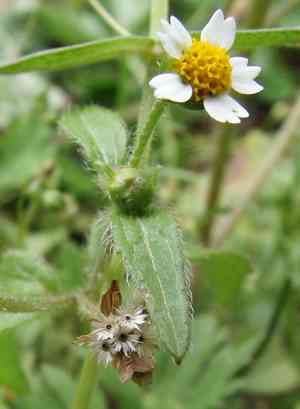
Pericome (Pericome) (Pericome)
Also known as: Indian dill
Pericome is a genus of flowering plants in the family Asteraceae. The only known species is Pericome caudata, commonly known as Indian dill.
In This Article
Attributes of Pericome (Pericome)
Lifespan
Annual
Plant Height
1 to 1.5 meters
Spread
Not typically measured, but the plant tends to be herbaceous and does not form a significant crown.
Leaf Color
Green
Flower Size
0.5 to 1 cm
Flower Color
Yellow
Images of Pericome (Pericome)
Quickly Identify Pericome (Pericome)
1
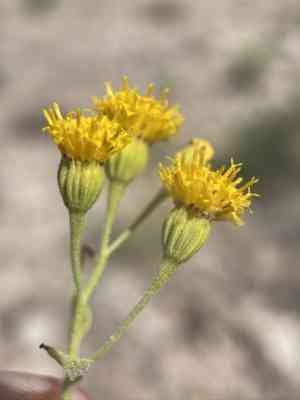
Pericome can be identified by its distinctive dill-like leaves and small, yellow flower heads arranged in tight clusters.
Scientific Classification of Pericome (Pericome)
Phylum
Tracheophyta
Class
Magnoliopsida
Order
Asterales
Family
Asteraceae
Genus
Pericome
Planting and Growing of Pericome (Pericome)
Care Difficulty
Easy
Watering Schedule
Every 2 days
Sunlight Requirements
Full sun
Sunshine Duration
6-10 hours
Ideal Temperature
60-75℉
Soil Type
Potting Mix, Peat Mix
Soil pH
6.5-7.5
Fertilizer Type
Balanced
Pruning Season
Spring, Summer
Pruning Area
Branches, Leaves
Pruning Frequency
2 times a year
Repotting Season
Spring
Pot Type
Terracotta, Plastic
 How to Water Pericome (Pericome)?
For Pericome, the watering amount should be consistent yet moderate, incorporating around 500 ml of water each time. Ensure the top inch of soil is moist, but avoid any standing water to prevent root rot. It's essential to maintain a balance between moist and slightly dry soil to keep the plant healthy.
What are the symptoms of an underwatered Pericome (Pericome)?
›
What should I do if my Pericome (Pericome) is not getting enough water?
›
What are the symptoms of an overwatered Pericome (Pericome)?
›
How to save an overwatered Pericome (Pericome)?
›
 What Are the Sunlight Requirements for Pericome (Pericome)?
Pericome's ideal light range is full to partial sun. This balance of light ensures healthy physiological processes, promoting photosynthesis and blooming. A consistent light level leads to stronger, more vibrant growth and flower production.
What is the best lighting condition for Pericome?
›
How to ensure Pericome gets ideal lighting exposure?
›
What benefits will Pericome experience with ideal lighting?
›
 What Is the Ideal Temperature Range for Pericome (Pericome)?
The ideal temperature range for cultivating Pericome is between 60°F and 75°F. This range ensures optimal growth conditions, allowing the plant to photosynthesize efficiently and maintain proper metabolic functions. Temperatures within this range support healthy leaf development and robust root growth, leading to a thriving plant.
 What Soil is Best for Pericome (Pericome)?
Pericome thrives in well-draining soil, preventing waterlogged conditions that can lead to root rot. This allows for optimal root aeration and nutrient absorption, contributing to a robust plant growth. For Pericome to flourish, soil enriched with organic matter is essential. It supplies vital nutrients and enhances soil structure, ensuring that the plant receives continuous nourishment for sustained health. While drainage is crucial, soil that holds moderate moisture is important for Pericome. This balance maintains consistent moisture levels without over-saturating, promoting ideal conditions for growth.
 How to Fertilize Pericome (Pericome)?
When it comes to fertilizing Pericome, it's crucial not to overdo it. A balanced liquid fertilizer with an NPK ratio of 10-10-10 is ideal. Use about 1 tablespoon per gallon of water every other week during the growing season. For slow-release options, apply a fertilizer designed for flowering perennials at the rate recommended on the package, usually once in early spring and again in mid-summer.
 How to Prune Pericome (Pericome)?
Begin by identifying and removing any dead, diseased, or damaged branches. These sections drain the plant's energy and can harbor pests or disease. Trim away some of the crowded branches in the center to improve airflow. This helps reduce moisture build-up and potential fungal infections. Focus on cutting back any excessively long or unruly branches to maintain the plant's desired shape. This encourages a more aesthetically pleasing and balanced appearance.
 How to Propagate Pericome (Pericome) plant?
1
Before sowing seeds, ensure to prepare the seed bed by tilling the soil, removing weeds, and incorporating compost for richness. This helps provide a fertile ground for seeds to germinate and establish roots.
2
When propagating through cuttings, select a healthy, mature parent plant and use sharp shears to cut a 4-6 inch segment from a stem. Remove the lower leaves to prevent rot during rooting.
3
For division propagation, carefully separate plant clumps with a sharp knife at the roots. Each division should have a healthy root system to ensure successful transplantation and growth.
 How to Repot Pericome (Pericome) plant?
1
Pericome should be repotted when you notice roots creeping out of the drainage holes or if the plant's growth seems stunted and its health is declining. This often indicates that the roots have outgrown their current space and are cramped.
2
Select a pot that is 1-2 inches larger in diameter than the current one. The new pot should have ample drainage holes to prevent waterlogging, which can lead to root rot. A properly sized pot ensures the plant has room to grow without overwhelming its root system.
3
Use a well-draining, loamy soil mix for repotting Pericome. This type of soil retains necessary moisture while allowing excess water to escape, thus preventing soggy roots which could harm the plant's health.

