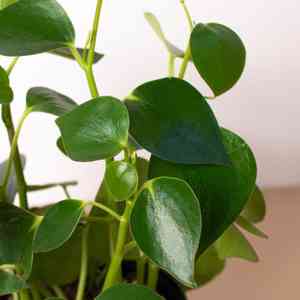
Peperomia polybotrya (Peperomia polybotrya)
Also known as: Raindrop Peperomia, Coin Leaf Peperomia
Peperomia polybotrya, commonly known as Raindrop Peperomia or Coin-Leaf Peperomia, is a perennial epiphytic plant cherished for its attractive, glossy, heart-shaped leaves. Often grown as a houseplant, it is appreciated for its low maintenance and ability to thrive in indoor environments.
In This Article
Attributes of Peperomia polybotrya
Lifespan
Peperomia polybotrya is an evergreen perennial plant
Plant Height
up to 1 foot
Spread
6-8 inches
Leaf Color
Green
Flower Size
Insignificant; rarely blooms
Flower Color
Green
Images of Peperomia polybotrya
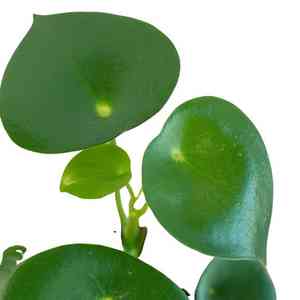
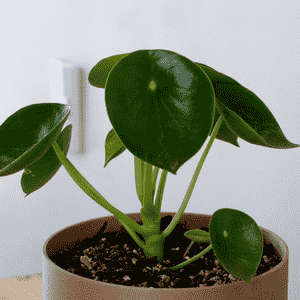
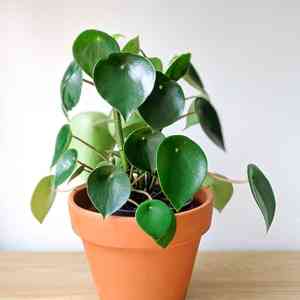
Quickly Identify Peperomia polybotrya
1
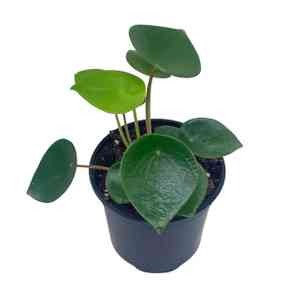
Raindrop Peperomia can be identified by its shiny, bright green, thick heart-shaped leaves and tall stems. The plant typically grows to a height of about one foot and does not produce flowers frequently.
Scientific Classification of Peperomia polybotrya
Phylum
Angiosperms
Class
Magnoliopsida
Order
Piperales
Family
Piperaceae
Genus
Peperomia
Species
Peperomia polybotrya
Planting and Growing of Peperomia polybotrya
Care Difficulty
Easy
Watering Schedule
Every 2 days
Sunlight Requirements
Partial sun
Sunshine Duration
4-6 hours
Ideal Temperature
65-75℉
Soil Type
Potting Mix, Peat Mix
Soil pH
6.5-7.5
Fertilizer Type
Balanced
Pruning Season
Spring, Summer
Pruning Area
Branches, Leaves
Pruning Frequency
2 times a year
Repotting Season
Spring
Pot Type
Plastic, Ceramic
 How to Water Peperomia polybotrya?
Peperomia polybotrya benefits from a careful watering approach. Watering should aim to fully drench the soil, ensuring that water reaches the deepest roots without causing waterlogging. This typically equates to about 150 milliliters of water per session, depending on pot size and climate. Always ensure pots have proper drainage to prevent excess water from collecting.
More About Watering Techniques→
What are the symptoms of an underwatered Peperomia polybotrya?
›
What should I do if my Peperomia polybotrya is not getting enough water?
›
What are the symptoms of an overwatered Peperomia polybotrya?
›
How to save an overwatered Peperomia polybotrya?
›
 What Are the Sunlight Requirements for Peperomia polybotrya?
Peperomia polybotrya flourishes best in partial sun, where it can receive indirect light for about 3 to 6 hours daily. This range helps maintain bright, healthy foliage and supports regular growth cycles essential for this species.
More About Sunlight Requirements Techniques→
How much light does Peperomia polybotrya need?
›
How to provide ideal lighting for Peperomia polybotrya?
›
Benefits of ideal lighting for Peperomia polybotrya
›
 What Is the Ideal Temperature Range for Peperomia polybotrya?
The ideal temperature range for Peperomia polybotrya should be kept between 65°F and 75°F. This range allows the plant to thrive, promoting healthy leaf growth and preventing stress. Consistent temperatures within this range ensure better physiological processes such as photosynthesis and nutrient uptake.
 What Soil is Best for Peperomia polybotrya?
Peperomia polybotrya thrives in well-draining soil, which prevents water from stagnating and causing root rot. Such soil maintains the right balance of moisture and aeration, crucial for the plant's roots to breathe and absorb nutrients effectively. This plant benefits from soil rich in organic matter, providing the essential nutrients necessary for healthy growth and vivid, lush foliage. Nutrient-rich soil fosters strong root systems and robust plant development. While good drainage is key, the soil should also retain enough moisture to stay slightly damp between waterings. This balance supports consistent hydration without oversaturation, crucial for maintaining the plant's health.
More About Soil→
 How to Fertilize Peperomia polybotrya?
For Peperomia polybotrya, ensure that you dilute liquid fertilizers to half their recommended strength. This plant prefers a gentle feed. For solid fertilizers, use a light spread that covers the base without overwhelming the root area. Always err on the side of less to avoid root burn.
More About Fertilizing Techniques→
 How to Prune Peperomia polybotrya?
Before you begin, gather your tools: a pair of sharp, clean scissors or pruning shears, and possibly some disinfectant. Sharp tools ensure clean cuts, reducing stress on the plant. Start by identifying yellowing or dead leaves. These should be your first targets for removal, as they no longer contribute to the plant’s health and drain its resources. Trim leaves or stems at the base, close to the main stem. Make sure your cuts are clean and avoid tearing the plant tissue. This minimizes the risk of disease entering the cut areas. After removing the dead leaves, you can trim the plant to encourage a bushier appearance. Cutting just above a node can promote branching, leading to a fuller plant overall.
More About Pruning Techniques→
 How to Propagate Peperomia polybotrya plant?
1
Choose healthy leaves or stems from the mother plant. Ensure that the selected parts show no signs of disease or pest infection for successful propagation.
2
Using sterile pruning shears, cut the selected leaves or stems. If using leaves, ensure some petiole is attached. For stems, cut just below a node.
3
Dip the cut ends into rooting hormone and plant them into a potting mix suitable for succulents. Ensure the cuttings are inserted with the right orientation.
 How to Repot Peperomia polybotrya plant?
1
Peperomia polybotrya shows signs of needing repotting when the roots start to grow out of the drainage holes, the soil dries out too quickly, and the plant's growth becomes stunted. These signals typically indicate the plant has outgrown its current container, and it's time to offer more room to flourish.
2
Select a pot that is just one to two inches larger in diameter than the current pot to prevent waterlogging. It's beneficial to choose a container with good drainage to prevent root rot, as these plants prefer to stay moderately dry.
3
Opt for a well-draining potting mix to keep Peperomia polybotrya thriving. A blend with perlite and peat moss is ideal because it ensures sufficient aeration and retains the right amount of moisture, crucial for optimal plant health.
Toxicity
N/A
WARNING
The judgment on toxicity and danger is for reference only. We DO NOT GUARANTEE any accuracy of such judgment. Therefore, you SHALL NOT rely on such judgment. It is IMPORTANT TO SEEK PROFESSIONAL ADVICE in advance when necessary.



