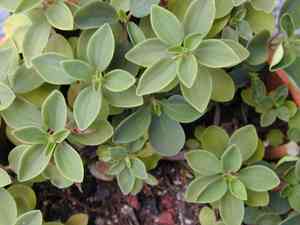
Peperomia (Peperomia pereskiifolia)
Also known as: Piper Look-Alike Peperomia, Pereskiifolia Peperomia
Peperomia, native to various regions in Latin America, is often seen in disturbed areas and is widely enjoyed as a container plant. One distinctive feature is the spacing of its leaves, which are not tightly clustered but rather spread out. Additionally, the foliage often exhibits a reddish hue on the undersides, contributing to its unique appearance.
In This Article
Attributes of Peperomia
Lifespan
Perennial
Plant Type
Succulent
Plant Height
2 inches to 4 inches
Spread
15-20 cm
Leaf Color
Green
Flower Size
Not applicable
Flower Color
White
Images of Peperomia
Quickly Identify Peperomia
1
The plant can be identified by its succulent, lance-shaped leaves that resemble those of the Pereskia genus, and its thick, stem-like petioles. The leaves are generally a vivid green color and may have a slightly glossy appearance.
Scientific Classification of Peperomia
Phylum
Vascular plants
Class
Dicotyledons
Order
Piperales
Family
Pepper
Genus
Radiator plants
Species
Peperomia
Planting and Growing of Peperomia
Care Difficulty
Easy
Watering Schedule
Every 3 days
Sunlight Requirements
Partial sun
Sunshine Duration
4-6 hours
Ideal Temperature
65-75℉
Soil Type
Potting Mix, Peat Mix
Soil pH
6-7.5
Fertilizer Type
Balanced
Pruning Season
Spring, Summer
Pruning Area
Branches, Leaves
Pruning Frequency
2 times a year
Repotting Season
Spring
Pot Type
Plastic, Ceramic
 How to Water Peperomia?
The Peperomia pereskiifolia requires a moderate watering of approximately 150 milliliters each time. The goal is to moisten the soil thoroughly but avoid waterlogging. Ensure the pot has good drainage to prevent water accumulation, which might harm the roots.
What are the symptoms of an underwatered Peperomia?
›
What should I do if my Peperomia is not getting enough water?
›
What are the symptoms of an overwatered Peperomia?
›
How to save an overwatered Peperomia?
›
 What Are the Sunlight Requirements for Peperomia?
Partial sun to full shade are ideal conditions, with significant benefits being stable growth and vibrant leaf health, indicative of a well-balanced and thriving plant in its environment.
What is the best lighting condition for Peperomia pereskiifolia?
›
How can we achieve ideal lighting for this plant?
›
What benefits does the plant gain from ideal lighting?
›
 What Is the Ideal Temperature Range for Peperomia?
The ideal temperature range for Peperomia pereskiifolia is between 65°F and 75°F. This range supports healthy growth and prevents stress on the plant. It is essential to maintain a consistent temperature within this range to ensure the plant thrives.
 What Soil is Best for Peperomia?
Peperomia pereskiifolia thrives best in well-draining soil. This type of soil prevents water from accumulating around the roots, which reduces the risk of root rot—a common ailment in many houseplants. For optimal growth, ensure that the soil is loose and aerated. Such structure enhances air circulation around the roots, promoting healthy respiration and nutrient uptake for the plant. A nutrient-rich soil is vital for Peperomia pereskiifolia, providing essential elements that support robust foliage and overall plant vitality. Incorporating organic matter can contribute to this richness.
 How to Fertilize Peperomia?
Peperomia pereskiifolia requires a delicate balance when it comes to fertilizer amount. A quarter teaspoon of liquid fertilizer per gallon of water is typically sufficient. The solid form should be applied sparingly under the plant, taking care not to let it touch the stems directly.
 How to Prune Peperomia?
Start by identifying which parts of the Peperomia pereskiifolia require pruning. Look for dead, yellowed, or damaged leaves, as well as any stems that may be crossing or crowding the plant. Use sharp, sanitized tools for clean cuts to minimize harm. Carefully snip away any unwanted foliage with precision to avoid damaging adjacent healthy leaves. Focus on cutting at the base of the stem or just above a node to encourage even and lush regrowth. Regular but gentle reshaping helps maintain a vibrant appearance. Aim to create a balanced look, so the plant grows evenly. Observe the overall shape from different angles, and adjust your cuts as necessary to distribute foliage equally. Consistent pruning helps avoid a lopsided look and bolsters healthy growth.
 How to Propagate Peperomia plant?
1
Choose stems that are mature but not old, with a healthy appearance and no signs of disease or decay. This ensures the cutting has the best chance to root successfully.
2
Using sterilized shears, cut 3- to 4-inch stem segments, ensuring each has at least one leaf node. This node is crucial as it is where new roots will emerge.
3
Dip the cut end in rooting hormone to encourage root growth, then place the cutting into a prepared potting mix. Firm the soil around the cutting to secure it in place.
 How to Repot Peperomia plant?
1
Peperomia pereskiifolia should be repotted when its roots start peeking out of the drainage holes or if the soil becomes compacted. Another indicator is a noticeable decline in growth or vitality. These signs often point to the plant needing more space or fresh soil to thrive.
2
Select a pot that is one size larger than the current one, ideally with drainage holes. This ensures that excess water can escape, preventing root rot. A slightly larger pot offers room for root expansion without overwhelming the plant with too much soil.
3
Opt for a well-draining soil mix, such as a blend of peat, perlite, and pine bark. This mix provides the aeration and moisture control necessary for Peperomia pereskiifolia, preventing issues like waterlogging and promoting healthy root growth.



