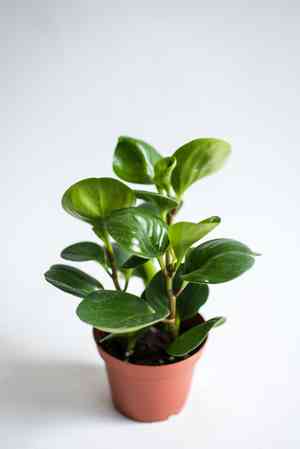
Baby rubber plant (Peperomia obtusifolia)
Also known as: American pepper plant
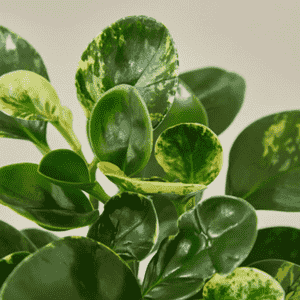
The baby rubber plant, known scientifically as Peperomia obtusifolia, is an evergreen plant with glossy, thick leaves. Despite its common name, it is not related to true rubber trees. The term "obtusifolia" in its scientific name means "blunt-leaved," which describes the rounded or blunt tips of its leaves.
In This Article
Plant Comprehensive Care Guide: Beginner's Introduction and Key Details
Perfect for beginners starting their plant care journey
→
10 Secrets to Making Baby rubber plant Grow Faster (A Must-Read for Beginners)
Advanced tips to accelerate your plant's growth
→
Care "Black Tech": 10 Little-Known Highly Effective Maintenance Tips
Expert-level techniques for optimal plant care
→
Attributes of Baby rubber plant
Lifespan
Perennial
Plant Type
Herb
Plant Height
8 cm to 40 cm
Spread
20 cm
Leaf Color
Green Red
Flower Size
2.5 cm
Flower Color
White
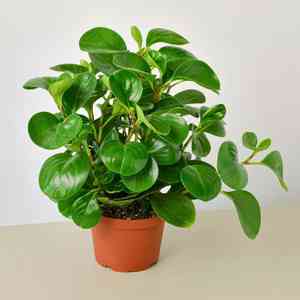
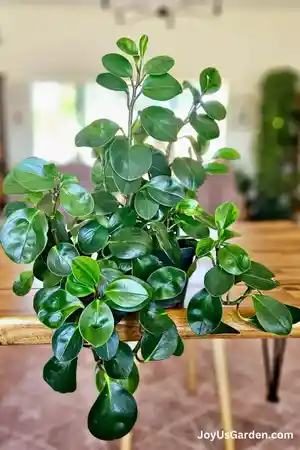
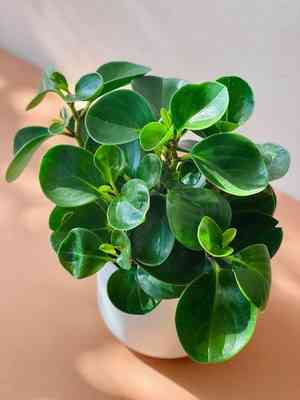
Images of Baby rubber plant
Quickly Identify Baby rubber plant
1
Obovate, shiny leaves with pinkish petioles.
2
Cream-colored spikes on inflorescence, no petals.
3
Diminutive, green to yellow berry-like fruits.
4
Branched, succulent stems with pinkish hues.
5
Evergreen leaves with variegation and short petioles.
Scientific Classification of Baby rubber plant
Phylum
Vascular plants
Class
Dicotyledons
Order
Pepper plants, birthworts, and allies
Family
Pepper
Genus
Radiator plants
Species
Baby rubber plant
Planting and Growing of Baby rubber plant
Care Difficulty
Easy
Watering Schedule
Every 2 days
Sunlight Requirements
Partial sun
Sunshine Duration
4-8 hours
Ideal Temperature
65-75℉
Soil Type
Potting Mix, Peat Mix
Soil pH
6-7.5
Fertilizer Type
Balanced
Pruning Season
Spring, Summer
Pruning Area
Branches, Leaves
Pruning Frequency
2 times a year
Repotting Season
Spring
Pot Type
Plastic, Ceramic
 How to Water Baby rubber plant?
Water your Peperomia obtusifolia until you see water starting to drain out of the bottom of the pot. Peperomias prefer their soil to dry out almost completely between waterings, so ensure the upper 1-2 inches of soil are dry before adding 150 ml of water.
More About Watering Techniques→
What are the symptoms of an underwatered Baby rubber plant?
›
What should I do if my Baby rubber plant is not getting enough water?
›
What are the symptoms of an overwatered Baby rubber plant?
›
How to save an overwatered Baby rubber plant?
›
 What Are the Sunlight Requirements for Baby rubber plant?
Ideal light for Peperomia obtusifolia is partial shade to bright, indirect light. This balance prevents leaf scorch while supporting healthy foliage and maximizing growth without the risks associated with intense exposure.
More About Sunlight Requirements Techniques→
What are the ideal lighting conditions for Peperomia obtusifolia?
›
How can I achieve these ideal lighting conditions?
›
What benefits does Peperomia obtusifolia gain from ideal lighting conditions?
›
 What Is the Ideal Temperature Range for Baby rubber plant?
Peperomia obtusifolia thrives best in temperatures between 65°F and 75°F as this range closely mimics the natural, tropical environment the plant originates from. Consistent temperatures within this range encourage optimal growth, healthy foliage, and robust development without stress from adverse conditions.
 What Soil is Best for Baby rubber plant?
Peperomia obtusifolia thrives in well-draining soil. This type of soil prevents root rot by allowing excess water to escape easily. A loamy mix is ideal, as it retains the right amount of moisture while avoiding waterlogging, ensuring healthy root development. The plant prefers soil that is rich in organic matter. Adding peat or well-composted material can significantly improve soil structure and fertility, providing essential nutrients and enhancing moisture retention for steady growth. To promote healthy growth, the soil should be light and airy. Incorporating materials like perlite or sand can improve aeration and prevent compaction, which allows roots to breathe and expand effectively, fostering robust plant health.
More About Soil→
 How to Fertilize Baby rubber plant?
For Peperomia obtusifolia, use a balanced water-soluble fertilizer at half strength. Mix 1 teaspoon of fertilizer with a gallon of water to avoid overfeeding and damaging this small plant's delicate roots.
More About Fertilizing Techniques→
 How to Prune Baby rubber plant?
Begin by inspecting your Peperomia obtusifolia for any dead, yellowing, or damaged leaves. Use clean, sharp scissors to carefully snip these away, cutting as close to the base as possible without damaging the surrounding healthy foliage. This basic maintenance can prevent disease spread and improve the plant's overall look. To encourage your Peperomia obtusifolia to grow bushier, identify the longest stems and trim them back to create a more rounded shape. Focus on cutting just above a leaf node, as this is where new growth will emerge, creating a fuller appearance over time.
More About Pruning Techniques→
 How to Propagate Baby rubber plant plant?
1
Choose a disease-free and thriving Peperomia obtusifolia to ensure the highest success rate for propagation. The parent plant should have several mature leaves, as these will provide nutrients to the cuttings.
2
Using sharp, sterile pruning shears, cut a stem about 3-4 inches long. Ensure that each cutting has at least two leaves. Remove any leaves from the bottom half of the stem to reduce moisture loss.
3
Insert the stem cuttings into a pot filled with sterile potting soil, burying them about halfway. Firm the soil gently around the base to secure the cuttings, ensuring they receive ample support.
 How to Repot Baby rubber plant plant?
1
One of the clear signals that your Peperomia obtusifolia needs repotting is when roots start growing out of the drainage holes, signaling the plant has outgrown its container. Other indicators include stunted growth or when the soil seems to dry out too quickly after watering.
2
Choose a pot that's one or two sizes larger than the current one to allow room for root growth. Avoid oversized pots, as too much soil can retain excess moisture, leading to root rot. Ensure the pot has sufficient drainage holes to prevent waterlogging.
3
Use a well-draining potting mix, ideally a blend with perlite or sand to ensure proper aeration. Such soil conditions help in preventing root rot and provide the light and airy consistency that Peperomia obtusifolia thrives in.



