Peperomia magnoliifolia(Peperomia magnoliifolia)

Peperomia magnoliifolia (Peperomia magnoliifolia)

Also known as: Desert Privet, Spoonleaf Peperomia

The Spoonleaf Peperomia, scientifically referred to as Peperomia magnoliifolia, belongs to the Peperomia genus of plants. It thrives naturally in various regions, from certain areas of Florida and Mexico, through the Caribbean, and as far as northern parts of South America such as Uruguay. There's a common mix-up between P. magnoliifolia and Peperomia obtusifolia, with some past botanists believing they were simply different names for the same plant species. Dried out, they do look very much alike, but a closer look at the live plants reveals notable differences. For instance, while P. obtusifolia has waxy leaves, those of P. mangoliifolia are more on the fleshy side. Unfortunately, despite these differences, the mislabeling of the plants in collections and sales continues due to the confusion.

Attributes of Peperomia magnoliifolia

Lifespan
Peperomia magnoliifolia is a perennial plant, meaning it typically grows year-round.
Plant Height
12 inches (30 cm)
Spread
The crown diameter typically grows to around 15 inches (38 cm).
Leaf Color
Shiny Green
Flower Size
Flower diameter is usually less than 1 inch (2.54 cm).
Flower Color
The flowers are usually greenish-white and unremarkable.

ForwardPlant - Identify plants with a snap

Identify and diagnose plants, get toxicity alerts, and explore safety guides for all types of fungi.

Try for Free

Images of Peperomia magnoliifolia

Peperomia magnoliifolia(Peperomia magnoliifolia)

Quickly Identify Peperomia magnoliifolia

1
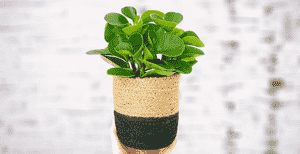
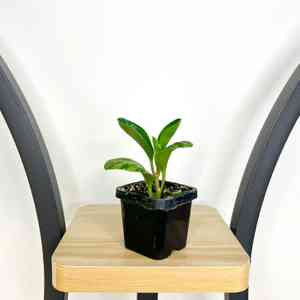
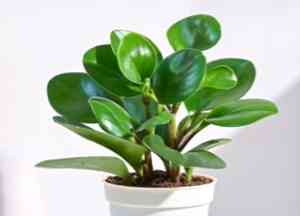
This plant can be identified by its shiny, green, spoon-shaped succulent leaves which are clustered at the stem tips and can grow up to 4 inches long.

Scientific Classification of Peperomia magnoliifolia

Phylum
Magnoliophyta
Class
Magnoliopsida
Order
Piperales
Family
Piperaceae
Genus
Peperomia
Species
P. magnoliifolia

Planting and Growing of Peperomia magnoliifolia

Care Difficulty
Easy
Watering Schedule
Every 2 days
Sunlight Requirements
Partial sun
Sunshine Duration
6-10 hours
Ideal Temperature
65-75℉
Soil Type
Potting Mix, Peat Mix
Soil pH
6.5-7.5
Fertilizer Type
Balanced
Pruning Season
Spring, Summer
Pruning Area
Branches, Leaves
Pruning Frequency
2 times a year
Repotting Season
Spring
Pot Type
Plastic, Ceramic

water icon How to Water Peperomia magnoliifolia?

The amount of water for Peperomia magnoliifolia should be sufficient to saturate the soil without causing excess drainage. Using about 150 ml each time allows the soil to absorb enough moisture without staying overly wet, which can lead to root rot.
What are the symptoms of an underwatered Peperomia magnoliifolia?
What should I do if my Peperomia magnoliifolia is not getting enough water?
What are the symptoms of an overwatered Peperomia magnoliifolia?
How to save an overwatered Peperomia magnoliifolia?

sunlight icon What Are the Sunlight Requirements for Peperomia magnoliifolia?

Sunlight Requirements: Partial sun, Full shade
Duration of light: 4 to 5 hours daily
Partial sun and full shade provide the best environment for Peperomia magnoliifolia. It thrives with periods of filtered sun exposure, which supports healthy growth and vibrant foliage, while reducing risks of sun damage.
What is the ideal lighting condition for Peperomia magnoliifolia?
How can I ensure ideal lighting for Peperomia magnoliifolia?
What benefits does ideal lighting bring to Peperomia magnoliifolia?

temperature icon What Is the Ideal Temperature Range for Peperomia magnoliifolia?

Ideal Temperature: 65 ~ 75℉
Why is the ideal temperature range of 65-75°F crucial? Peperomia magnoliifolia thrives best in warm environments. These temperatures ensure optimal growth rates and healthy development of foliage, maximizing the lush appearance that many enthusiasts seek.

soil icon What Soil is Best for Peperomia magnoliifolia?

Soil type: Loam, Sandy loam
Soil PH: 6.5 ~ 7.5
Peperomia magnoliifolia thrives in well-draining soil, which prevents water from accumulating at the roots, avoiding root rot. This ensures the plant receives adequate moisture without being waterlogged. A soil rich in organic matter provides essential nutrients that support the healthy growth of Peperomia magnoliifolia, promoting vibrant foliage and robust development. While drainage is crucial, the soil should also retain some moisture to prevent the plant from drying out too quickly. This balance supports consistent growth and prevents stress.

fertilize icon How to Fertilize Peperomia magnoliifolia?

Fertilizer type: Balanced
For Peperomia magnoliifolia, use a balanced liquid fertilizer diluted to half strength. Apply the liquid fertilizer solution to the soil, ensuring it is moist but not over-saturated as excess fertilizer can damage the plant. Avoid direct contact with water on the leaves.

prune icon How to Prune Peperomia magnoliifolia?

Pruning Time: Spring, Summer
Begin by inspecting your Peperomia magnoliifolia, identifying leaves that are discolored, wilted, or damaged. Use sharp, sterilized scissors or pruners to snip these off at the base of the stem, avoiding tearing which could damage the plant further. Prune to create an even and balanced shape, enhancing the plant’s natural bushy structure.

propagate icon How to Propagate Peperomia magnoliifolia plant?

Propagate Time: Spring, Early summer
1
Begin by choosing a healthy and mature Peperomia magnoliifolia plant to take cuttings or divisions from. A plant free from pests and diseases ensures better success in propagation.
2
Using a sharp sterilized knife or shears, cut a healthy stem with a few leaves. For division, carefully separate a section of the plant's roots with accompanying stems.
3
Plant the cuttings or divisions in a well-draining potting mix. Ensure the soil is moist but not waterlogged, as excess moisture can lead to rot.

repot icon How to Repot Peperomia magnoliifolia plant?

Repotting frequency: Annually or when rootbound
1
Peperomia magnoliifolia should be repotted when you notice roots coming out of the drainage holes, indicating it's rootbound. Additionally, if you see the potting mix degrading or if the plant looks top-heavy and unstable in its pot, these are signs that it's time to repot.
2
Choose a pot that is one size larger than the current one to provide enough space for growth. A pot with drainage holes is essential to prevent water from sitting at the bottom, which can lead to root rot. A wider rather than deeper design is preferred, supporting the shallow root system typical of Peperomia.
3
Opt for a well-draining, peat-based potting mix to ensure adequate aeration and moisture retention. Such a mix allows excess water to drain away while retaining enough moisture for the plant's needs, creating an optimal environment for healthy root development.

ForwardPlant - Identify plants with a snap

Find the best spots for them to optimize their health, simply using your phone.

Try for Free