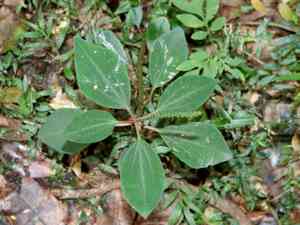
Peperomia leptostachya (Peperomia leptostachya)
Also known as: stalk pepper, foxtail peperomia
Peperomia leptostachya, a member of the pepper family native to South America, is favored as a houseplant due to its slender stems and shiny leaves. While it doesn't have economic or culinary uses, its vibrant green foliage and easy maintenance make it an appealing choice for indoor gardening.
In This Article
Attributes of Peperomia leptostachya
Lifespan
Perennial
Plant Type
Herb, Succulent
Plant Height
10-30 cm
Spread
20-30 cm
Leaf Color
Green
Flower Size
1-3 mm
Flower Color
White or light green
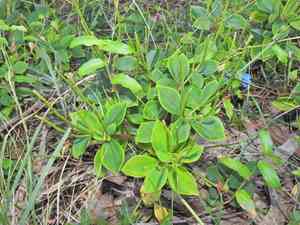
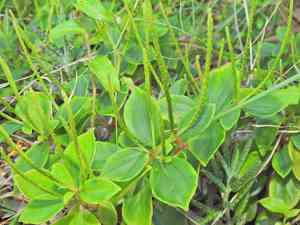
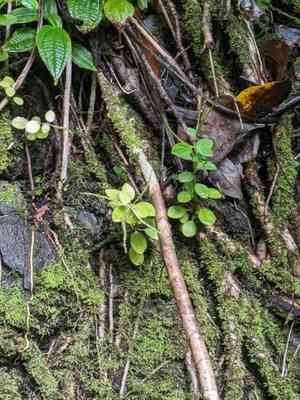
Images of Peperomia leptostachya
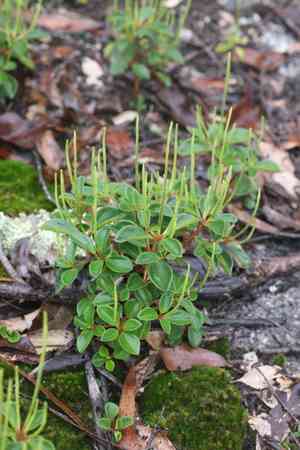
Quickly Identify Peperomia leptostachya
1
Identifiable by its long, slender, and erect flowering spikes, and its glossy, green, lance-shaped leaves that are often arranged alternately on the stem.
Scientific Classification of Peperomia leptostachya
Phylum
Vascular plants
Class
Dicotyledons
Order
Piperales
Family
Pepper
Genus
Radiator plants
Species
Peperomia leptostachya
Planting and Growing of Peperomia leptostachya
Care Difficulty
Moderate
Watering Schedule
Every 3 days
Sunlight Requirements
Partial sun
Sunshine Duration
6-8 hours
Ideal Temperature
65-75℉
Soil Type
Potting Mix, Peat Mix
Soil pH
6.5-7.5
Fertilizer Type
Balanced
Pruning Season
Spring, Summer
Pruning Area
Branches, Leaves
Pruning Frequency
2 times a year
Repotting Season
Spring
Pot Type
Plastic, Ceramic
 How to Water Peperomia leptostachya?
For Peperomia leptostachya, aim to water with about 80 ml each time. The soil should be moist but not soaked. Ensure the water seeps through the drainage holes, which is crucial to avoid waterlogging.
What are the symptoms of an underwatered Peperomia leptostachya?
›
What should I do if my Peperomia leptostachya is not getting enough water?
›
What are the symptoms of an overwatered Peperomia leptostachya?
›
How to save an overwatered Peperomia leptostachya?
›
 What Are the Sunlight Requirements for Peperomia leptostachya?
Peperomia leptostachya thrives in partial sun. This light exposure promotes robust and vibrant foliage, facilitating optimal photosynthesis and reducing the risk of stress-induced diseases.
What is the best light exposure?
›
How to achieve ideal lighting?
›
What are the benefits of ideal lighting?
›
 What Is the Ideal Temperature Range for Peperomia leptostachya?
The ideal temperature range for Peperomia leptostachya is between 65°F and 75°F. Maintaining this range facilitates optimal growth and development, ensuring the plant's health. Keeping the temperature stable within this range will enable consistent foliage vibrancy and prevent stress commonly associated with fluctuating temperatures.
 What Soil is Best for Peperomia leptostachya?
Peperomia leptostachya thrives in nutrient-rich soils that provide a steady supply of essential minerals. This ensures healthy growth and vibrant foliage. The rich nutrients promote strong root development and improve the plant's overall resilience against diseases. The plant prefers well-drained soil to prevent waterlogging, which can lead to root rot. This allows for optimal oxygen flow to the roots, fostering healthy plant growth and reducing the likelihood of fungal infections. A soil mix with moderate moisture retention is ideal, as it keeps the plant hydrated without excess water accumulation. This balanced environment supports robust plant health and encourages lush, green leaves.
 How to Fertilize Peperomia leptostachya?
For Peperomia leptostachya, the amount of fertilizer required is modest. Use a diluted liquid fertilizer at one-quarter strength for each application. This prevents any risk of burning the roots while supplying essential nutrients for growth.
 How to Prune Peperomia leptostachya?
Before you start pruning, inspect the plant for any dead or diseased leaves. Removing these can improve the overall health and appearance of your Peperomia leptostachya. Pruning is best done in the early morning or late afternoon. Avoid pruning in the heat of the day as this can cause stress to the plant. Before making any cuts, disinfect your pruning tools with rubbing alcohol or a diluted bleach solution to prevent the spread of disease. When pruning, aim to maintain a balanced shape for your Peperomia leptostachya by cutting back stems that are growing disproportionately longer than others.
More About Pruning Techniques→
 How to Propagate Peperomia leptostachya plant?
1
Choose a healthy stem from the mother plant, which should be at least 3-5 inches long with a few leaves. Ensure the stem is disease-free and healthy to increase the chances of successful propagation.
2
Prepare a potting mix composed of equal parts peat moss and perlite. This mixture ensures good drainage and aeration, vital for root development in new cuttings.
3
Insert the cuttings into the soil mixture and firmly pat the soil around them. Make sure that nodes where leaves were removed are buried in the soil as they are potential root initiation points.
 How to Repot Peperomia leptostachya plant?
1
Repotting Peperomia leptostachya is needed when roots outgrow the pot or waterlogging issues arise. Look for signs like roots peeking through drainage holes or slowed growth as indicators that it's time to give your plant a new home.
2
Select a pot that is one size larger than the current one to allow root expansion without overwhelming the plant with excess soil. A pot with drainage holes is optimal to prevent water stagnation and root rot, ensuring healthy growth.
3
Opt for a well-draining potting mix rich in organic matter, like a peat or coco coir mix combined with perlite or sand. This blend ensures proper aeration and drainage, preventing root rot and promoting a strong root system.



