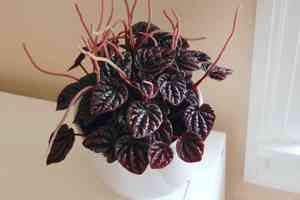
Emerald ripple peperomia (Peperomia caperata)
Also known as: Green-ripple pepper
The plant you're referring to is known as **Peperomia caperata**. This species, native to Brazil, features heart-shaped leaves. The name *Peperomia caperata* combines Greek words where 'peperi' translates to pepper and 'homoios' means resembling. It is a relative of *Piper nigrum*, commonly known as black pepper.
In This Article
Attributes of Emerald ripple peperomia
Lifespan
Perennial
Plant Type
Herb
Plant Height
20 cm
Spread
20 cm
Leaf Color
Green Red
Flower Size
5 cm to 8 cm
Flower Color
White
Images of Emerald ripple peperomia
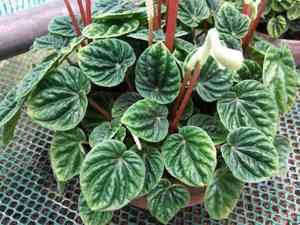
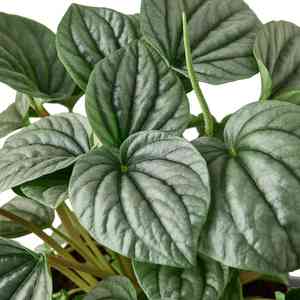
Quickly Identify Emerald ripple peperomia
1
Heart-shaped, deeply embossed leaves with wavy texture.
2
Cream-colored inflorescences in spike form, adding visual interest.
3
Slender flower spikes resembling mouse tails, white to cream.
4
Erect, tough stems with smooth texture, dark green to purple.
5
Cordate leaves with corrugated surface, deep green with red hues.
Scientific Classification of Emerald ripple peperomia
Phylum
Vascular plants
Class
Dicotyledons
Order
Pepper plants, birthworts, and allies
Family
Pepper
Genus
Radiator plants
Species
Emerald ripple peperomia
Planting and Growing of Emerald ripple peperomia
Care Difficulty
Easy
Watering Schedule
Every 2 days
Sunlight Requirements
Partial sun
Sunshine Duration
4-8 hours
Ideal Temperature
65-75℉
Soil Type
Potting Mix, Peat Mix
Soil pH
6.5-7.5
Fertilizer Type
Balanced
Pruning Season
Spring, Summer
Pruning Area
Branches, Leaves
Pruning Frequency
Once a year
Repotting Season
Spring
Pot Type
Plastic, Ceramic
 How to Water Emerald ripple peperomia?
When watering Peperomia caperata, it's crucial to ensure that the soil is moist but not soggy. A standard approach is to provide about 150 ml of water per session. This allows the water to reach the roots without oversaturating the soil, preventing root rot. Always let the top inch of the soil dry out between waterings to maintain a healthy balance.
More About Watering Techniques→
What are the symptoms of an underwatered Emerald ripple peperomia?
›
What should I do if my Emerald ripple peperomia is not getting enough water?
›
What are the symptoms of an overwatered Emerald ripple peperomia?
›
How to save an overwatered Emerald ripple peperomia?
›
 What Are the Sunlight Requirements for Emerald ripple peperomia?
Peperomia caperata ideally should receive partial sun or full shade, meaning it thrives with 2 to 4 hours of filtered light. This helps maintain vibrant foliage and supports healthy growth without stressing the plant.
More About Sunlight Requirements Techniques→
How much light does Peperomia caperata need?
›
What should you avoid in terms of lighting?
›
How can you ensure it gets ideal light?
›
 What Is the Ideal Temperature Range for Emerald ripple peperomia?
The ideal temperature range for Peperomia caperata, also known as the ripple peperomia, is between 65°F and 75°F. This range allows the plant to thrive optimally as it mimics its native tropical environment. Growing within this temperature threshold prevents stress on the plant, thus supporting healthy growth, vibrant foliage, and eventual blooming.
 What Soil is Best for Emerald ripple peperomia?
Peperomia caperata thrives best in well-draining soil because it prevents water from accumulating around the roots, reducing the risk of root rot. This characteristic ensures healthy, vibrant foliage and supports steady growth. The plant benefits from soil rich in organic matter, which provides essential nutrients and enhances soil structure. This nutrient-dense environment promotes lush leaf development and strengthens the plant’s overall resistance to pests. While Peperomia caperata needs good drainage, it also benefits from soil that retains some moisture. This balance supports continuous hydration to the plant's roots without causing waterlogging, ensuring sustained health and vigor.
More About Soil→
 How to Fertilize Emerald ripple peperomia?
For Peperomia caperata, it is crucial to avoid over-fertilization. Use a balanced liquid fertilizer diluted to half its strength. Typically, 1/4 teaspoon of fertilizer per gallon of water is adequate. Apply sparingly to prevent salt build-up in the soil.
More About Fertilizing Techniques→
 How to Prune Emerald ripple peperomia?
To prune Peperomia caperata, start by inspecting the plant for any damaged, yellowing, or dead leaves—removing these first with a clean pair of scissors or pruning shears. Next, focus on shaping the plant to enhance its aesthetic appeal and improve air circulation by trimming any excessively long stems. Make your cuts just above a leaf node to encourage bushy growth. Always clean your tools before and after pruning to prevent the spread of disease.
More About Pruning Techniques→
 How to Propagate Emerald ripple peperomia plant?
1
Select a healthy stem or leaf from the Peperomia caperata plant, making a clean cut using sterilized pruning shears. Ensure the cutting is 2-3 inches long with at least a couple of leaves.
2
Dip the cut end of the stem into a powdered or gel rooting hormone. This step is optional but can significantly increase the success rate of root development.
3
Insert the prepared cutting into a pot filled with a well-draining potting mix. Ensure it is stable and positioned upright. Water lightly to settle the soil around the cutting.
 How to Repot Emerald ripple peperomia plant?
1
Peperomia caperata typically signals its need for repotting when its roots start growing through the drainage holes, or when growth becomes stunted and the soil no longer retains moisture well. Observing such signals, especially during the growing seasons of spring and summer, is a clear indication that it's time for a new change.
2
Opt for a pot slightly larger than the current one, with adequate drainage holes. The ability to drain excess water prevents root rot, ensuring healthy and sustained growth. The pot material, whether clay or plastic, can be chosen based on the preference for moisture retention or aeration.
3
A well-draining potting mix is indispensable for Peperomia caperata. Combining materials such as perlite or sand with general potting soil helps enhance aeration and prevents waterlogging. This tailored mix supports root health, crucial for the plant's vitality.



