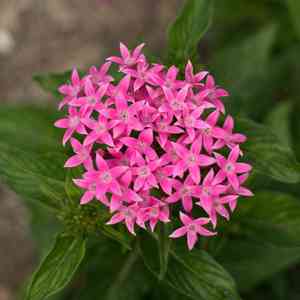
Egyptian starcluster (Pentas lanceolata)
Also known as: Star cluster
Lantana camara is a flowering plant indigenous to Africa and Yemen. It is commonly grown in gardens as an ornamental plant, where it is known to attract butterflies with its colorful, nectar-filled blooms.
In This Article
Attributes of Egyptian starcluster
Lifespan
Perennial, Annual, Biennial
Plant Type
Herb
Plant Height
30 cm to 1.8 m
Spread
60 cm to 1.8 m
Leaf Color
Green
Flower Size
10 cm
Flower Color
White Pink Red Purple Blue Lavender Mauve
Images of Egyptian starcluster
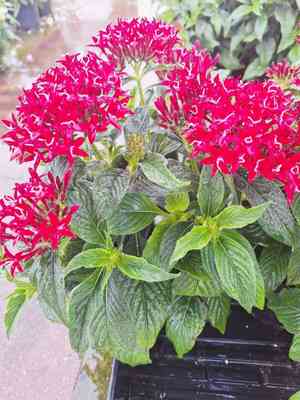
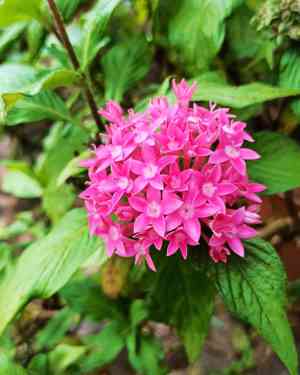
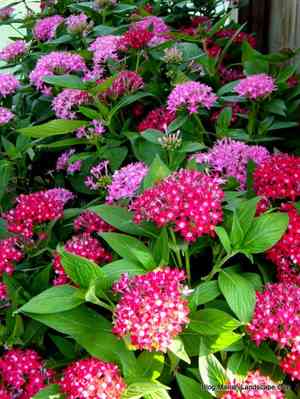
Quickly Identify Egyptian starcluster
1
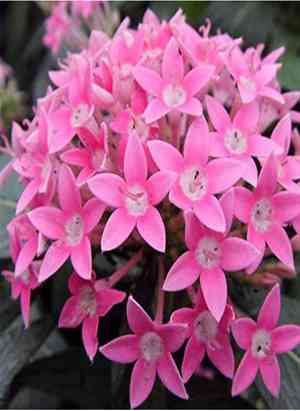
Clusters of star-shaped blooms, 3 inches (7.62 cm) wide, in vibrant colors.
2
Lance-shaped leaves, 2-4 inches (5-10 cm) long, with textured surface and fine hairs.
3
Single-stemmed, green stem with fine hairs, 0.2 to 0.4 inches (0.5 to 1 cm) thick.
4
Branching near top creates flower clusters, attracting butterflies and hummingbirds.
5
Adaptable to various environments, ideal for year-round displays in full sun.
Scientific Classification of Egyptian starcluster
Phylum
Vascular plants
Class
Dicotyledons
Order
Gentians, dogbanes, madders, and allies
Family
Madder
Genus
Pentas
Species
Egyptian starcluster
Planting and Growing of Egyptian starcluster
Care Difficulty
Easy
Watering Schedule
Every 3 days
Sunlight Requirements
Full sun
Sunshine Duration
6-12 hours
Ideal Temperature
65-75℉
Soil Type
Potting Mix, Peat Mix
Soil pH
6.5-7.5
Fertilizer Type
Balanced
Pruning Season
Spring, Summer
Pruning Area
Branches, Leaves
Pruning Frequency
2 times a year
Repotting Season
Spring
Pot Type
Plastic, Terracotta
 How to Water Egyptian starcluster?
For Pentas lanceolata, watering should aim to thoroughly moisten the soil, without waterlogging. Ideally, use around 300ml per session, ensuring moisture reaches deeper roots.
More About Watering Techniques→
What are the symptoms of an underwatered Egyptian starcluster?
›
What should I do if my Egyptian starcluster is not getting enough water?
›
What are the symptoms of an overwatered Egyptian starcluster?
›
How to save an overwatered Egyptian starcluster?
›
 What Are the Sunlight Requirements for Egyptian starcluster?
Partial sun to full sun fosters Pentas lanceolata's robust development, maximizing blossoming and photosynthesis for optimal health and aesthetic appeal.
More About Sunlight Requirements Techniques→
What is the ideal lighting condition for Pentas lanceolata?
›
How can I achieve ideal lighting conditions?
›
What are the benefits of ideal lighting for my plant?
›
 What Is the Ideal Temperature Range for Egyptian starcluster?
Pentas lanceolata thrives best in a warm climate. The ideal temperature range for its growth is between 65°F and 75°F. Within this range, the plant can efficiently carry out photosynthesis and maintain its metabolic activities without stress. Maintaining this temperature helps to ensure healthy foliage and colorful blooms.
 What Soil is Best for Egyptian starcluster?
Pentas lanceolata thrives in soil that is rich in organic matter and nutrients. This helps the plant to produce vibrant blooms and maintain healthy foliage. Ensuring that the soil drains well prevents root rot and other moisture-related problems. This keeps the roots healthy and supports vigorous plant growth. While the soil should be well-draining, it should also retain some moisture to keep the plant hydrated without causing standing water, which can damage the roots.
More About Soil→
 How to Fertilize Egyptian starcluster?
For Pentas lanceolata, employ a balanced fertilizer such as 10-10-10 or 20-20-20. Use it following the label's instructions, usually about half a teaspoon per gallon of water for liquid fertilizers. Ensure the soil is moistened prior to applying to avoid root burn.
More About Fertilizing Techniques→
 How to Prune Egyptian starcluster?
Begin by examining your Pentas lanceolata for any dead, diseased, or damaged stems, as these should be the first to go. Next, identify stems that are excessively long or disproportionate to the rest of the plant. Make your cuts just above a leaf node or bud. Angled cuts, about 45 degrees, are best as they allow water to run off the surface, minimizing the risk of rot. For shaping, consider reducing overall length of stems slightly above where you would like new growth to appear. To encourage a bushier growth habit in Pentas lanceolata, trim back the longest shoots to maintain a more compact form. This should be done about every four to six weeks during the growing season.
More About Pruning Techniques→
 How to Propagate Egyptian starcluster plant?
1
Fill seed trays with a well-draining potting mix. Sow the Pentas lanceolata seeds evenly on the surface and lightly cover them with a thin layer of soil. Water gently to settle the seeds, and place the trays in a warm, bright location.
2
Select healthy, non-flowering shoots from the mother plant in spring. Using pruning shears, make a clean cut just below a node. Each cutting should be about 4-6 inches long. Remove the lower leaves to expose the nodes, which will facilitate rooting.
3
Dip the cut end of each cutting in rooting hormone to promote root development. Insert them into pots filled with a starting medium, such as peat and perlite. Ensure the medium remains moist but not waterlogged, and cover the pots with plastic to maintain humidity.
 How to Repot Egyptian starcluster plant?
1
Pentas lanceolata shows signs of needing a new pot when its roots start circling inside the pot, or when growth seems stunted despite ample care. Spring or Summer are perfect as active growth helps it settle into new soil.
2
Select a pot with good drainage holes, about 1-2 inches larger in diameter than the current one. This gives roots room to grow and ensures proper water drainage, preventing root rot.
3
Opt for a well-draining potting mix rich in organic matter. It should retain some moisture yet allow excess water to escape, maintaining optimal moisture balance for the roots.
Learn More About Egyptian starcluster Diseases
Anthracnose
Bacterial Leaf Spot
Bacterial Wilt
Black Spot
Chemical Injury
Damping-off
Downy Mildew
Drought Stress
Fusarium Wilt
Gray Mold
Leaf Spot
Mosaic
Nutrient Deficiency
Nutrient Toxicity
Powdery Mildew
Root Rot
Root-knot Nematode
Rusts
Sooty Mold
Spider Mites
Temperature Stress
Thrips Damage
White Mold



