
White-wand beardtongue (Penstemon tubiflorus)
Also known as: White Wand Beardtongue
Penstemon tubaeflorus, known as the white wand beardtongue, is a species native to the United States and has been introduced to Canada.
In This Article
Attributes of White-wand beardtongue
Lifespan
Perennial
Plant Type
Herb
Plant Height
2 to 4 feet (60 to 120 cm)
Spread
1 to 1.5 feet (30 to 45 cm)
Leaf Color
Green
Flower Size
0.5 to 1 inch (1.3 to 2.5 cm)
Flower Color
White
Images of White-wand beardtongue
Quickly Identify White-wand beardtongue
1
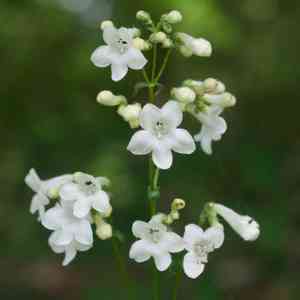
Penstemon tubiflorus can be identified by its tall, slender spikes of white, tubular flowers and its lance-shaped leaves. The flowers have a distinctive beard-like cluster of hairs inside the tube.
Scientific Classification of White-wand beardtongue
Phylum
Vascular plants
Class
Dicotyledons
Order
Lamiales
Family
Plantain
Genus
Penstemon
Species
White-wand beardtongue
Planting and Growing of White-wand beardtongue
Care Difficulty
Easy
Watering Schedule
Every 2 days
Sunlight Requirements
Full sun
Sunshine Duration
6-10 hours
Ideal Temperature
60-75℉
Soil Type
Potting Mix, Peat Mix
Soil pH
6.5-7.5
Fertilizer Type
Balanced
Pruning Season
Spring, Summer
Pruning Area
Branches, Leaves
Pruning Frequency
2 times a year
Repotting Season
Spring
Pot Type
Plastic, Ceramic
 How to Water White-wand beardtongue?
Penstemon tubiflorus prefers a moderate watering approach, ensuring the soil is moist but not waterlogged. Aim to water it with about 500 ml per session, allowing the soil to dry out slightly between each watering. This helps replicate its natural dry meadow habitats.
What are the symptoms of an underwatered White-wand beardtongue?
›
What should I do if my White-wand beardtongue is not getting enough water?
›
What are the symptoms of an overwatered White-wand beardtongue?
›
How to save an overwatered White-wand beardtongue?
›
 What Are the Sunlight Requirements for White-wand beardtongue?
Penstemon tubiflorus ideally requires full to partial sun throughout the day. Getting the right amount of light ensures vibrant blooming and healthy growth, contributing to the plant's overall aesthetic appeal.
What kind of sunlight does Penstemon tubiflorus prefer?
›
How can you ensure Penstemon tubiflorus gets ideal light conditions?
›
What benefits does Penstemon tubiflorus gain from ideal lighting?
›
 What Is the Ideal Temperature Range for White-wand beardtongue?
Penstemon tubiflorus thrives in a temperature range of 60 to 75 °F. This range provides the optimal conditions for growth and development, ensuring the plant maintains healthy foliage and blooms. Within this temperature range, the plant experiences minimal stress and can allocate resources efficiently for photosynthesis and nutrient uptake.
 What Soil is Best for White-wand beardtongue?
Penstemon tubiflorus thrives in well-drained soil, which prevents waterlogging that can lead to root rot. Good drainage ensures the plant's roots receive ample oxygen, promoting healthy growth. A nutrient-rich soil with a pH between 6.5 and 7.5 is ideal for Penstemon tubiflorus. This range ensures the optimal availability of essential nutrients, supporting vibrant foliage and abundant flowering. Soil that retains moderate moisture without becoming overly saturated helps maintain a consistent water supply for Penstemon tubiflorus. This balance aids in sustaining growth during dry spells.
 How to Fertilize White-wand beardtongue?
Penstemon tubiflorus benefits from a balanced approach to fertilization. For liquid fertilizers, use a half-strength solution to prevent overloading the plant. Typically, this means using about 1/2 the recommended dose on the package instructions, applying it around the base of the plant, carefully avoiding leaves and stems.
 How to Prune White-wand beardtongue?
Begin by assessing the overall shape of the plant. Consider how you want it to look, whether you prefer a denser bushy shape or a more natural spreading form. Cut back the stems to the desired shape, remembering that new growth will follow your cuts, leading to a fuller look quickly after pruning. Regularly remove faded or spent flowers from your Penstemon tubiflorus to prolong its blooming season. Cut back the flower stalks to just above the first set of leaves below the flower. This encourages the plant to focus energy on producing new blooms rather than seed, keeping it vibrant and colorful.
More About Pruning Techniques→
 How to Propagate White-wand beardtongue plant?
1
Start by selecting healthy and mature seeds. Soak them overnight in water to break dormancy and improve germination rates. Sow the seeds in a seed tray filled with good quality seed-starting mix, covering them lightly.
2
Choose healthy and non-flowering stems for cuttings. Use pruning shears to cut a 4-6 inch section just below a leaf node, ensuring a clean and angled cut for better water absorption and reduced risk of infection.
3
Divide established plants during the spring by carefully lifting the whole plant and separating it into smaller sections with roots attached. Replant these sections immediately and water thoroughly to help them establish.
 How to Repot White-wand beardtongue plant?
1
Look for signals like roots growing through drainage holes or visibly struggling growth. These signs indicate that Penstemon tubiflorus might be root-bound and thus ready for repotting. Ideally, consider repotting during its active growing season, in spring or early summer, to ease the transition.
2
Select a pot with ample drainage holes to prevent waterlogging, enhancing root air circulation. Pick a size just slightly larger than the current one, avoiding overly big pots which can lead to water retention issues. A bit more room allows for healthy root expansion and contributes to thriving plant growth.
3
Opt for a well-draining potting mix, blended with a touch of sand or perlite to enhance aeration. This soil setup replicates the plant's natural habitat and prevents root rot by ensuring water doesn't linger, thus fostering a robust and healthy Penstemon tubiflorus.
Learn More About White-wand beardtongue Diseases
Anthracnose
Bacterial Leaf Spot
Bacterial Wilt
Chemical Injury
Crown Gall
Cyst Nematode
Damping-off
Downy Mildew
Drought Stress
Fusarium Wilt
Gray Mold
Leaf Spot
Mosaic
Nutrient Deficiency
Nutrient Toxicity
Powdery Mildew
Root Rot
Root-knot Nematode
Rusts
Sooty Mold
Spider Mites
Temperature Stress
Thrips Damage
White Mold



