
Showy Penstemon (Penstemon spectabilis)
Also known as: Notable Pentsemon, Spectacular Penstemon, Royal Pentsemon
Penstemon spectabilis, also known as showy penstemon or showy beardtongue, is often regarded as the most stunning penstemon species native to southern California. This plant features striking blue to purple blooms and is low-maintenance, requiring minimal watering, typically about once a month.
In This Article
Attributes of Showy Penstemon
Lifespan
Perennial
Plant Type
Herb
Plant Height
30 cm to 91 cm
Spread
1.2 m
Leaf Color
Green Gray
Flower Size
2.5 cm
Flower Color
Purple
Images of Showy Penstemon
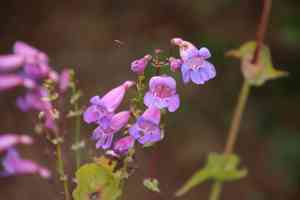

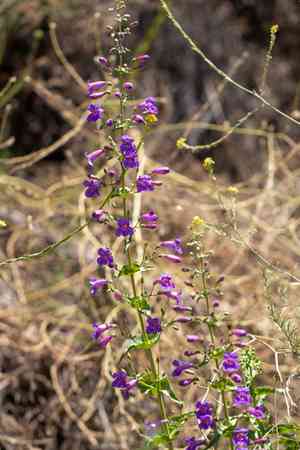
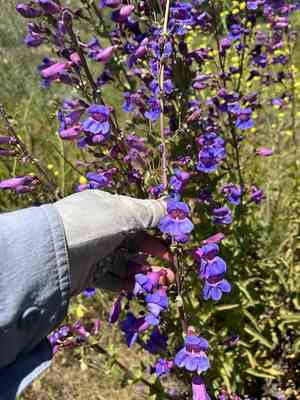
Quickly Identify Showy Penstemon
1
The plant can be identified by its tall, erect stems, lance-shaped leaves that are opposite on the stem, and clusters of tubular flowers. The flowers are usually blue to purple and have a characteristic beard-like structure on the lower lip.
Scientific Classification of Showy Penstemon
Phylum
Vascular plants
Class
Dicotyledons
Order
Lamiales
Family
Plantain
Genus
Penstemon
Species
Showy Penstemon
Planting and Growing of Showy Penstemon
Care Difficulty
Easy
Watering Schedule
Every 2 days
Sunlight Requirements
Full sun
Sunshine Duration
4-6 hours
Ideal Temperature
65-75℉
Soil Type
Potting Mix, Peat Mix
Soil pH
6.5-7.5
Fertilizer Type
Balanced
Pruning Season
Spring, Summer
Pruning Area
Branches, Leaves
Pruning Frequency
2 times a year
Repotting Season
Spring
Pot Type
Ceramic, Plastic
 How to Water Showy Penstemon?
When watering Penstemon spectabilis, aim to thoroughly soak the soil to a depth of about 6 inches. This usually translates to around 250 milliliters of water per session. The key is to mimic the natural rainfall the plant would receive in its native environment—enough to moisten the soil but not so much that it becomes waterlogged. Allow the top few inches of soil to dry out between waterings to ensure healthy root growth.
What are the symptoms of an underwatered Showy Penstemon?
›
What should I do if my Showy Penstemon is not getting enough water?
›
What are the symptoms of an overwatered Showy Penstemon?
›
How to save an overwatered Showy Penstemon?
›
 What Are the Sunlight Requirements for Showy Penstemon?
Penstemon spectabilis flourishes in full to partial sun conditions, ideally soaking up 6 to 8 hours of sunlight. Proper light exposure enhances its vibrant blooms and foliage health, promoting vigorous plant development.
More About Sunlight Requirements Techniques→
How much sunlight does Penstemon spectabilis require daily?
›
What is the optimal time of day for sunlight exposure?
›
How do I adjust lighting conditions to achieve the ideal range?
›
 What Is the Ideal Temperature Range for Showy Penstemon?
The ideal temperature range for Penstemon spectabilis cultivation is between 65°F to 75°F. This range promotes optimal growth and ensures the plant develops robustly, as it mimics its natural environment. Maintaining temperatures within this bracket helps maximize both flowering and foliage health.
 What Soil is Best for Showy Penstemon?
The plant requires well-draining soil to prevent root rot, promote healthy root development and enhance overall growth. Utilizing sandy or sandy loam soil provides ideal drainage conditions. Moderate nutrient content in the soil is preferred for optimal growth. Loam soil provides a balanced mix of sand and clay which assists in retaining essential nutrients for the plant. Prefers soils with a pH ranging from 6.5 to 7.5, which accommodates the uptake of essential nutrients, resulting in vibrant blooms and healthy foliage.
 How to Fertilize Showy Penstemon?
For Penstemon spectabilis, apply liquid fertilizer at a diluted rate of half the recommended strength to prevent root burn and ensure optimal absorption. Use around one tablespoon per gallon of water and increase gradually, keeping an eye on plant response.
 How to Prune Showy Penstemon?
Start by removing spent flowers to prevent seed formation and encourage further blooming. This process, known as deadheading, should be your first step. Simply snip off the faded blooms just above the first set of healthy leaves. After deadheading, move on to shaping the plant. Trim back any overgrown or awkward stems to maintain a neat and compact form. This enhances both the aesthetic appearance and structural health of Penstemon spectabilis. Look for and cut away any stems that are dead, diseased, or damaged. These parts can be easily identified by their brittle texture or discoloration. Removing them prevents potential spread of disease and redirects energy to healthier growth.
More About Pruning Techniques→
 How to Propagate Showy Penstemon plant?
1
Collect Penstemon spectabilis seeds from mature plants in late autumn. Store them in a cool, dry place until spring. Before sowing, scarify seeds lightly with sandpaper to break dormancy and soak them in water for 24 hours to improve germination rates.
2
Fill seed trays with a well-draining potting mix. Sow the seeds on the surface and lightly cover with soil or vermiculite. Water gently and maintain consistent moisture. Ensure the trays are kept in a warm environment with indirect sunlight to promote germination.
3
Select healthy, non-flowering stems from the parent plant in early summer. Cut 4-6 inch sections just below a node. Remove the leaves from the lower half of the cutting and dip the cut end in rooting hormone to encourage root development.
 How to Repot Showy Penstemon plant?
1
Penstemon spectabilis exhibits signs of needing repotting when roots visibly emerge from drainage holes, the plant shows stunted growth, or the soil rapidly dries post-watering. Optimal timing aligns with Spring or Autumn when the plant's growth phase supports recovery from root disturbance.
2
Select a pot one size larger than the current one, ensuring it has ample drainage holes. A slightly larger pot promotes root expansion without waterlogging, enabling the Penstemon spectabilis to thrive and establish a robust root system.
3
Opt for well-draining sandy soil enriched with organic matter, ensuring it mimics the plant's native habitat. This choice facilitates proper drainage, reducing root rot risks while providing essential nutrients for sustained growth.
Learn More About Showy Penstemon Diseases
Anthracnose
Bacterial Leaf Spot
Bacterial Soft Rot
Bacterial Wilt
Black Spot
Chemical Injury
Crown Gall
Cyst Nematode
Damping-off
Downy Mildew
Drought Stress
Fusarium Wilt
Gray Mold
Leaf Curl
Leaf Spot
Mosaic
Nutrient Deficiency
Nutrient Toxicity
Powdery Mildew
Root Rot
Root-knot Nematode
Rusts
Sooty Mold
Spider Mites
Temperature Stress
Thrips Damage
White Mold



