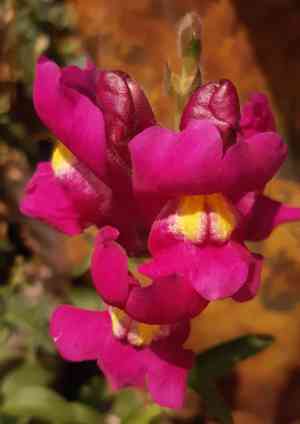
Small-flower penstemon (Penstemon procerus)
Also known as: Ruby mountains beardtongue, Pincushion beardtongue, Small-flowered penstemon
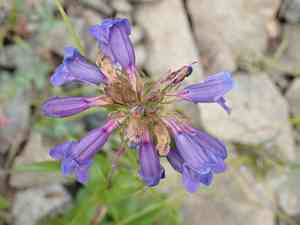
Penstemon procerus, commonly known as Littleflower Penstemon, is native to the mountainous regions of western North America. This plant typically features clusters of tubular flowers with lobed, lipped mouths and can grow up to 40 cm tall. Traditionally, a tea-like beverage has been prepared by boiling its dried leaves and stems.
In This Article
Attributes of Small-flower penstemon
Lifespan
Perennial
Plant Type
Herb
Plant Height
5 cm to 30 cm
Spread
8 cm to 15 cm
Leaf Color
Green
Flower Size
2.5 cm
Flower Color
Pink Purple Blue
Images of Small-flower penstemon
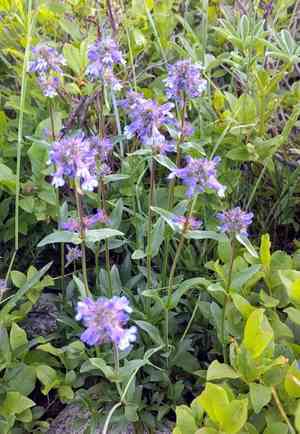
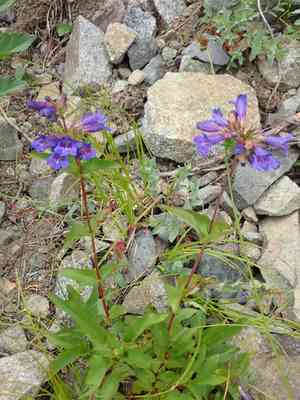
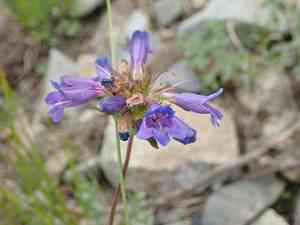
Quickly Identify Small-flower penstemon
1
Penstemon procerus can be identified by its slender stems, narrow leaves, and small, tubular flowers that range in color from blue to violet. The flowers are arranged in clusters on the upper part of the stems.
Scientific Classification of Small-flower penstemon
Phylum
Vascular plants
Class
Dicotyledons
Order
Lamiales
Family
Plantain
Genus
Penstemon
Species
Small-flower penstemon
Planting and Growing of Small-flower penstemon
Care Difficulty
Easy
Watering Schedule
Every 4 days
Sunlight Requirements
Partial sun
Sunshine Duration
6-10 hours
Ideal Temperature
60-70℉
Soil Type
Potting Mix, Peat Mix
Soil pH
6.5-7.5
Fertilizer Type
Balanced
Pruning Season
Spring, Summer
Pruning Area
Branches, Leaves
Pruning Frequency
2 times a year
Repotting Season
Spring
Pot Type
Plastic, Ceramic
 How to Water Small-flower penstemon?
When watering Penstemon procerus, it's crucial to ensure the soil is evenly moist without being waterlogged. The soil should be drenched to the point where water seeps through the drainage holes but should not leave the roots sitting in stagnant water.
What are the symptoms of an underwatered Small-flower penstemon?
›
What should I do if my Small-flower penstemon is not getting enough water?
›
What are the symptoms of an overwatered Small-flower penstemon?
›
How to save an overwatered Small-flower penstemon?
›
 What Is the Ideal Temperature Range for Small-flower penstemon?
Penstemon procerus thrives in a specific range of temperatures. Ideally, maintaining an environment between 60°F and 70°F helps maximize growth and flowering. Within this range, metabolic processes like photosynthesis occur optimally, enabling the plant to develop strong stems, lush foliage, and ample blooms.
 What Soil is Best for Small-flower penstemon?
Penstemon procerus thrives in well-drained soil conditions, which prevent waterlogging and root rot. This ensures healthier roots and vigorous growth, providing the plant with the oxygen it needs. A soil with moderate fertility supports Penstemon procerus by supplying essential nutrients without causing excessive growth that could lead to weak stems. This balance promotes continuous blooming. Penstemon procerus prefers a slightly acidic to neutral pH range (6.5-7.5), which aids in optimal nutrient absorption necessary for vibrant blooms and overall plant health.
 How to Fertilize Small-flower penstemon?
For Penstemon procerus, it's essential to apply fertilizer sparingly, using only about a quarter to half the recommended amount on the fertilizer label. This amount ensures that the plant receives sufficient nutrients without risking root damage from over-fertilizing.
 How to Prune Small-flower penstemon?
Start by examining the plant for any stems or leaves that appear dead, diseased, or damaged. These are your first targets, as removing them will enhance air circulation and light penetration, vital for healthy plant development. Make cuts just above a leaf node or a healthy pair of leaves. This technique encourages the plant to branch out and foster robust growth, ensuring a fuller and more vibrant appearance as the Penstemon recovers. Deadhead spent flowers to redirect the plant’s energy into developing new blooms rather than seed production. This technique not only results in more flowers but also extends the blooming period. Finally, shape the plant by trimming back any overgrown or wayward stems. This step not only ensures a visually pleasing form but also prevents the plant from becoming too leggy and promotes a denser floral display.
More About Pruning Techniques→
 How to Propagate Small-flower penstemon plant?
1
Collect mature seeds from dry, spent flowers. Clean the seeds by removing any plant debris. Once cleaned, seeds should be stratified by refrigerating them for two to three weeks to break dormancy before planting.
2
Select healthy, non-flowering stems from the parent plant. Using sterilized pruning shears, cut 10-15cm sections below a set of leaves. Remove the lower leaves, leaving only a few at the top to reduce moisture loss.
3
Dip the cut end of each cutting into rooting hormone to encourage root growth. Insert the cuttings into a potting mix composed of 50% peat and 50% perlite. Space them adequately to prevent overcrowding and ensure each has access to light and air.
 How to Repot Small-flower penstemon plant?
1
Penstemon procerus signals its need for repotting when its roots begin to emerge from the drainage holes, indicating that the plant is outgrowing its current container. Additionally, if you notice the soil is drying out more quickly than usual after watering, it's a sign the plant may be root-bound and could benefit from a larger pot with fresh soil.
2
It's crucial to pick a new pot that is one size larger than the current one. This allows room for growth without overwhelming the plant with excess soil, which can retain too much moisture. Consider a pot with adequate drainage holes to prevent waterlogging, a critical factor because Penstemon procerus prefers well-draining conditions.
3
The ideal soil for Penstemon procerus is a well-draining loam mix that retains some moisture but does not stay soggy. This type of soil supports healthy root growth, prevents root rot, and mimics the plant's natural habitat. Amend the soil with perlite or sand to enhance its draining capabilities, ensuring your plant's roots receive plenty of air circulation.
Learn More About Small-flower penstemon Diseases
Anthracnose
Bacterial Leaf Spot
Bacterial Soft Rot
Bacterial Wilt
Chemical Injury
Crown Gall
Cyst Nematode
Damping-off
Downy Mildew
Drought Stress
Fusarium Wilt
Gray Mold
Leaf Curl
Leaf Spot
Mosaic
Nutrient Deficiency
Nutrient Toxicity
Powdery Mildew
Root Rot
Root-knot Nematode
Rusts
Sooty Mold
Spider Mites
Temperature Stress
Thrips Damage
White Mold



