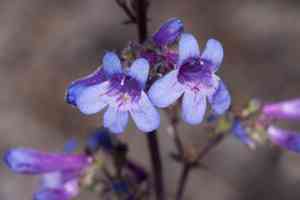
Low beardtongue (Penstemon humilis)
Also known as: Low Penstemon, Low Beardtongue
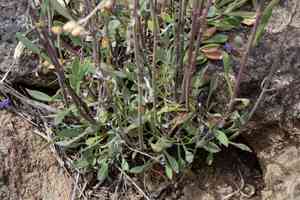
This species is a woody perennial herb or subshrub that can reach up to 35 centimeters in height. The basal leaves typically create a mat-like formation around the base of the plant.
In This Article
Attributes of Low beardtongue
Lifespan
Perennial
Plant Type
Herb, Shrub
Plant Height
30 cm
Spread
45 cm
Leaf Color
Green
Flower Size
1-2 cm
Flower Color
Blue to lavender
Images of Low beardtongue
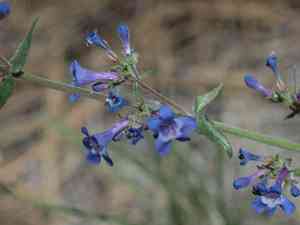
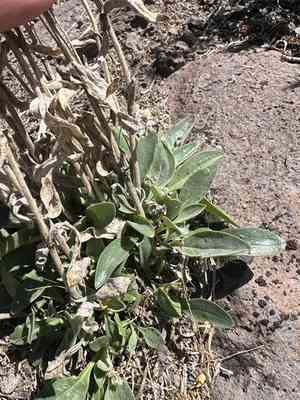
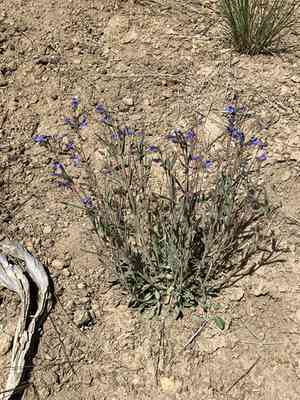
Quickly Identify Low beardtongue
1
Look for tubular flowers that are blue to lavender in color and grow on slender stems. Leaves are typically narrow, lance-shaped, and arranged oppositely. The plant forms a low, mat-like base.
Scientific Classification of Low beardtongue
Phylum
Vascular plants
Class
Dicotyledons
Order
Lamiales
Family
Plantain
Genus
Penstemon
Species
Low beardtongue
Planting and Growing of Low beardtongue
Care Difficulty
Easy
Watering Schedule
Every 2 days
Sunlight Requirements
Full sun
Sunshine Duration
6-8 hours
Ideal Temperature
65-75℉
Soil Type
Potting Mix, Peat Mix
Soil pH
5.5-8
Fertilizer Type
Balanced
Pruning Season
Spring, Summer
Pruning Area
Branches, Leaves
Pruning Frequency
2 times a year
Repotting Season
Spring
Pot Type
Plastic, Ceramic
 How to Water Low beardtongue?
The ideal watering amount for Penstemon humilis is about 250 ml per session. When watering, aim to thoroughly moisten the soil but ensure it drains well to avoid water sitting at the roots. The soil should be damp but not waterlogged, maintaining a balance between hydration and air circulation.
What are the symptoms of an underwatered Low beardtongue?
›
What should I do if my Low beardtongue is not getting enough water?
›
What are the symptoms of an overwatered Low beardtongue?
›
How to save an overwatered Low beardtongue?
›
 What Are the Sunlight Requirements for Low beardtongue?
Penstemon humilis flourishes best under full, direct sun throughout the day. Such exposure strengthens its growth, elevates bloom efficiency, and enhances its overall health.
How much sun does Penstemon humilis need?
›
What are the solutions for achieving ideal lighting?
›
What benefits arise from ideal lighting conditions?
›
 What Is the Ideal Temperature Range for Low beardtongue?
Penstemon humilis thrives best in temperatures ranging from 65°F to 75°F. This temperature bracket ensures optimal growth and flowering, mimicking the plant's native habitat. Ensuring this range can lead to vibrant blooms and healthy foliage.
 What Soil is Best for Low beardtongue?
Penstemon humilis thrives in well-drained soil, preventing waterlogging which can harm root systems. Such soil ensures roots stay healthy, facilitating efficient nutrient uptake and promoting robust plant growth. Although Penstemon humilis is not excessively demanding, a nutrient-rich soil fosters steady growth and vibrant flowering. Amending soil with organic matter can significantly improve its nutrient profile, benefitting the plant. A moderate level of organic content in the soil improves its structure and moisture retention capacity. This is crucial for Penstemon humilis as it ensures that the plant can access essential moisture without being over-saturated.
 How to Fertilize Low beardtongue?
Penstemon humilis benefits from balanced fertilization. For liquid fertilizer, use about one teaspoon per gallon if using a general-purpose fertilizer. Always follow the manufacturer's instructions to avoid overfeeding. When applying slow-release fertilizer, scatter a small amount around the base of the plant, avoiding direct contact with stems or leaves to prevent burn.
 How to Prune Low beardtongue?
Penstemon humilis should not be pruned in late autumn or winter as pruning during these seasons can expose the plant to cold damage. By opening wounds and removing growth during colder months, you increase the risk of cutting back protective layers that shield the plant from frost, thereby leaving it vulnerable to freezing temperatures. For best results, plan your pruning earlier in the growing season. Ensure your pruning tools are clean and sharp before cutting your Penstemon humilis. Dull or dirty tools can result in ragged cuts that are more susceptible to disease. Sharp blades produce cleaner cuts that heal more quickly, reducing stress on the plant and helping it recover swiftly. Clean blades between plants to minimize the risk of spreading pathogens and pests.
More About Pruning Techniques→
 How to Propagate Low beardtongue plant?
1
Fill seed trays with a well-draining seed starting mix. Ensure the mixture is moistened evenly for an ideal germination environment.
2
Sprinkle Penstemon humilis seeds on the surface of the mix, lightly pressing them in without covering them. This ensures they receive sufficient light, which is essential for germination.
3
Place the seed trays under grow lights or in a sunny indoor location. Maintain a temperature around 65-70°F (18-21°C) and keep the soil moist but not waterlogged.
 How to Repot Low beardtongue plant?
1
You should consider repotting Penstemon humilis when you notice roots growing through the drainage holes or the plant visibly outgrowing its current pot. This typically signifies that the plant needs more space to flourish. Observing wilting or decreased flowering despite proper care can also be a sign that it's time to repot.
2
Select a pot that is about 2 inches larger in diameter than the current one. Ensure it has ample drainage holes to prevent waterlogging, which Penstemon humilis does not tolerate. A slightly larger pot provides space for root expansion, promoting healthy growth and easier maintenance.
3
Opt for a well-draining soil mix that consists of sandy or gritty components. This type of soil prevents water from pooling around the roots, which can cause rot. Well-draining soil mimics the plant's natural habitat, ultimately aiding in robust plant health and thriving growth conditions.
Learn More About Low beardtongue Diseases
Anthracnose
Bacterial Leaf Spot
Bacterial Wilt
Crown Gall
Cyst Nematode
Damping-off
Downy Mildew
Drought Stress
Fusarium Wilt
Gray Mold
Leaf Spot
Mosaic
Nutrient Deficiency
Nutrient Toxicity
Powdery Mildew
Root Rot
Root-knot Nematode
Rusts
Sooty Mold
Spider Mites
Temperature Stress
Thrips Damage
White Mold



