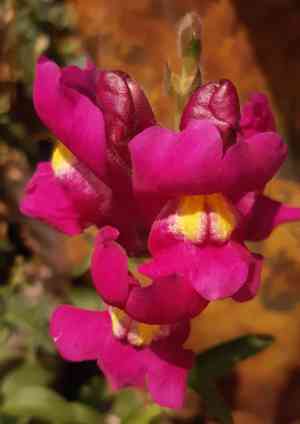
Sierra beardtongue (Penstemon heterodoxus)
Also known as: Sierra penstemon
Sierra beardtongue (Penstemon heterodoxus) is a perennial herb distinguished by its eye-catching clusters of tubular blue to violet flowers. This plant thrives on rocky slopes and in alpine regions, where its slender, lance-like leaves and compact growth form enable it to withstand windy, harsh environments. The vivid blooms not only brighten rugged landscapes but also play a crucial role in attracting pollinators vital for the plant's reproduction.
In This Article
Attributes of Sierra beardtongue
Lifespan
Perennial
Plant Height
10 to 60 cm
Spread
up to 30 cm
Leaf Color
Green
Flower Size
0.5 to 2.5 cm
Flower Color
Violet, Purple
Images of Sierra beardtongue
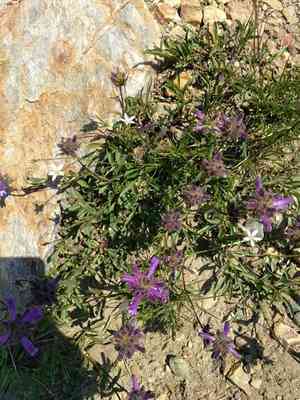
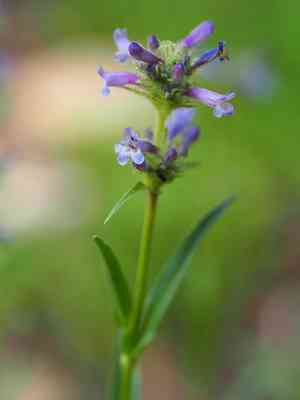
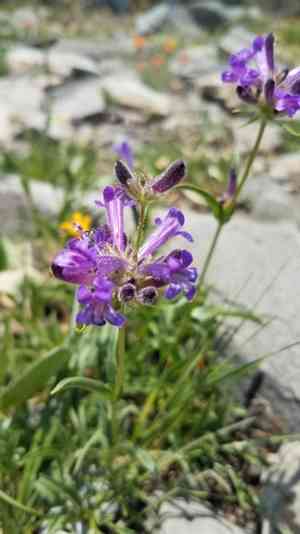
Quickly Identify Sierra beardtongue
1
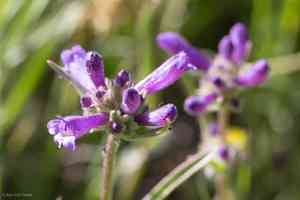
Identify Penstemon heterodoxus by its tubular violet to purple flowers arranged in a whorled pattern around the stem, its lance-shaped green leaves, and its ability to thrive in rocky, high-altitude areas. The plant tends to form clumps and has stems that can be both upright and somewhat sprawling.
Scientific Classification of Sierra beardtongue
Phylum
Vascular plants
Class
Dicotyledons
Order
Lamiales
Family
Plantain
Genus
Penstemon
Species
Sierra beardtongue
Planting and Growing of Sierra beardtongue
Care Difficulty
Moderate
Watering Schedule
Every 3 days
Sunlight Requirements
Partial sun
Sunshine Duration
6-10 hours
Ideal Temperature
60-75℉
Soil Type
Potting Mix, Peat Mix
Soil pH
6.5-7.5
Fertilizer Type
Balanced
Pruning Season
Spring, Summer
Pruning Area
Branches, Leaves
Pruning Frequency
2 times a year
Repotting Season
Spring
Pot Type
Plastic, Ceramic
 How to Water Sierra beardtongue?
Penstemon heterodoxus thrives when the soil is consistently moist but not waterlogged. The aim is to provide around 500 ml of water per session, ensuring it reaches the roots without flooding the plant. It's crucial to allow the upper layer of soil to dry out between watering to prevent root rot.
What are the symptoms of an underwatered Sierra beardtongue?
›
What should I do if my Sierra beardtongue is not getting enough water?
›
What are the symptoms of an overwatered Sierra beardtongue?
›
How to save an overwatered Sierra beardtongue?
›
 What Are the Sunlight Requirements for Sierra beardtongue?
Penstemon heterodoxus thrives in partial to full sun. Adequate sunlight ensures healthy growth, vibrant blooms, and resistance to pests and diseases, enhancing its ornamental and ecological value.
Optimal Sun Exposure
›
Enhancing Blooms
›
Protection from Harsh Conditions
›
 What Is the Ideal Temperature Range for Sierra beardtongue?
Penstemon heterodoxus thrives best in temperatures ranging from 60°F to 75°F. This range ensures optimal photosynthesis rates and nutrient uptake, promoting healthy growth and vibrant flowering. Warmer temperatures within this range facilitate enzymatic activities and metabolic processes, essential for the plant's overall health.
 What Soil is Best for Sierra beardtongue?
Penstemon heterodoxus thrives in well-drained soils, preventing root rot by allowing excess water to exit the root zone easily. This setup ensures that the roots receive necessary oxygen and nutrients, promoting vigorous growth and blooming. While Penstemon heterodoxus is adaptable, it displays vibrant growth in nutrient-rich soils. Balanced nutrient content enhances its natural resistance to pests and diseases while promoting lush foliage and abundant flowering. Although it can tolerate drought, Penstemon heterodoxus benefits from soils that provide moderate moisture. Maintaining moisture promotes optimal metabolic functions, ensuring steady growth and longer blooming phases.
 How to Fertilize Sierra beardtongue?
For Penstemon heterodoxus, a moderate approach to fertilization is best. Use a balanced liquid fertilizer diluted to half strength. When applying granular slow-release fertilizers, about 1 to 2 tablespoons per plant should suffice, depending on the size and health of the plant.
 How to Prune Sierra beardtongue?
Begin by removing any dead, damaged, or diseased stems back to the base. This kind of selective pruning will prevent disease spread and improve the overall health of your Penstemon heterodoxus. Use clean, sharp shears, and make cuts at an angle to prevent water from pooling. Trim back any overgrown or awkwardly shaped stems to improve the plant's appearance. This encourages a more compact and bushy growth habit, which is ideal for gardens where space is limited or where you want to keep a tidy look.
More About Pruning Techniques→
 How to Propagate Sierra beardtongue plant?
1
Collect seeds from mature Penstemon heterodoxus plants. Prepare them by soaking in water for 24 hours to soften the outer coating, which helps in accelerating germination.
2
Fill seed trays with a well-draining potting mix and place seeds on the surface. Lightly cover with soil, water gently, and place the trays in a sunny location.
3
Select healthy stems for cuttings, typically 4-6 inches long. Trim below a node and remove lower leaves. Dip cut end in rooting hormone before planting in a suitable medium.
 How to Repot Sierra beardtongue plant?
1
Penstemon heterodoxus signals the need for repotting when roots start circling the pot bottom or coming out of drainage holes. It's ideal to wait until the plant is not flowering, as repotting can stress the plant. Opt for early spring or autumn when the plant is in a dormant or less active state.
2
Choose a pot with a diameter 1-2 inches larger than the current one, ensuring it has ample drainage holes. This prevents water accumulation, reducing root rot risk. The material can be terracotta for breathability or plastic to retain moisture better, depending on your environmental conditions.
3
Select a well-draining potting mix, ideally one tailored for native or xeric plants. This minimizes water retention and mimics the natural sandy or rocky habitat. Soil enrichment with organic matter also supports nutrient retention, promoting healthier growth post-repotting.
Learn More About Sierra beardtongue Diseases
Anthracnose
Bacterial Leaf Spot
Bacterial Wilt
Chemical Injury
Crown Gall
Cyst Nematode
Damping-off
Downy Mildew
Drought Stress
Fusarium Wilt
Gray Mold
Leaf Spot
Mosaic
Nutrient Deficiency
Nutrient Toxicity
Powdery Mildew
Root Rot
Root-knot Nematode
Rusts
Sooty Mold
Spider Mites
Temperature Stress
Thrips Damage
White Mold



