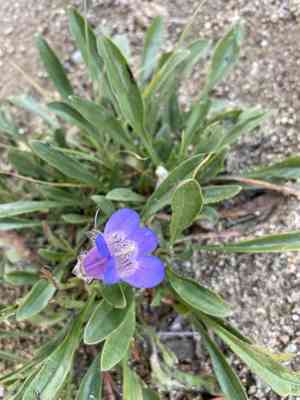
Gorman's beardtongue (Penstemon gormanii)
Also known as: Ballhead Beardtongue
Gorman's beardtongue is a perennial plant known for its striking tubular flowers in shades of purple to pink, supported by slender, upright stems. The lance-shaped leaves grow in pairs along the stem, giving the plant a bushy look. This species is well-suited to rocky outcrops and mountainous terrains, thriving in well-drained soils. The vibrant blooms are highly attractive to pollinators, making Gorman's beardtongue an important component of its high-elevation habitat.
In This Article
Attributes of Gorman's beardtongue
Lifespan
Perennial
Plant Type
Herb
Plant Height
0 mm to 30 cm
Spread
20-50 cm
Leaf Color
Green
Flower Size
1-2 cm
Flower Color
Blue-violet
Images of Gorman's beardtongue
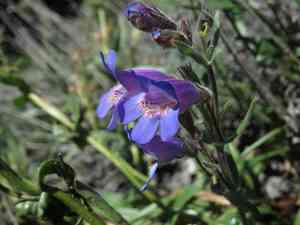
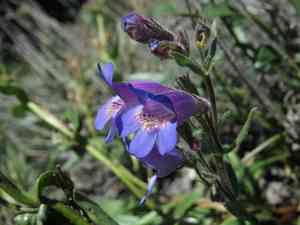
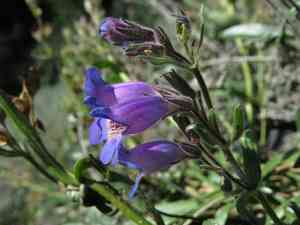
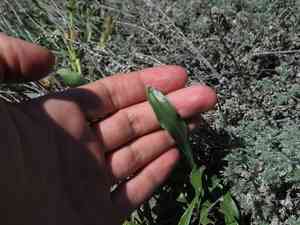
Quickly Identify Gorman's beardtongue
1
To identify Penstemon gormanii, look for its distinctive ball-shaped flower clusters that are typically blue-violet in color. The plant has narrow, lanceolate leaves and can be found in rocky or well-drained soils in open areas.
Scientific Classification of Gorman's beardtongue
Phylum
Vascular plants
Class
Dicotyledons
Order
Lamiales
Family
Plantain
Genus
Penstemon
Species
Gorman's beardtongue
Planting and Growing of Gorman's beardtongue
Care Difficulty
Hard
Watering Schedule
Every 2 days
Sunlight Requirements
Full sun
Sunshine Duration
4-8 hours
Ideal Temperature
60-75℉
Soil Type
Potting Mix, Peat Mix
Soil pH
6.5-7.5
Fertilizer Type
Balanced
Pruning Season
Spring, Summer
Pruning Area
Branches, Leaves
Pruning Frequency
2 times a year
Repotting Season
Spring
Pot Type
Plastic, Ceramic
 How to Water Gorman's beardtongue?
When watering Penstemon gormanii, aim for 500 ml each time. It thrives in well-drained soil with moderate moisture levels. Ensure the soil is moist but not waterlogged, allowing the top inch to dry between waterings.
What are the symptoms of an underwatered Gorman's beardtongue?
›
What should I do if my Gorman's beardtongue is not getting enough water?
›
What are the symptoms of an overwatered Gorman's beardtongue?
›
How to save an overwatered Gorman's beardtongue?
›
 What Are the Sunlight Requirements for Gorman's beardtongue?
Penstemon gormanii flourishes in full sun to partial sun environments. An ideal light range promises vibrant growth, plentiful blooms, and optimal health by providing balanced energy throughout the day.
How much sun does Penstemon gormanii need?
›
How to provide ideal sunlight for Penstemon gormanii?
›
Benefits of ideal sunlight for Penstemon gormanii?
›
 What Is the Ideal Temperature Range for Gorman's beardtongue?
The ideal temperature range for Penstemon gormanii is between 60°F and 75°F. This range promotes optimal growth and flowering, ensuring the plant's health and vibrancy. Consistent temperatures within this range help maintain the plant's metabolic functions, leading to more robust development and longevity.
 What Soil is Best for Gorman's beardtongue?
Penstemon gormanii thrives in well-draining soil. This type of soil prevents water from pooling around the roots, reducing the risk of root rot and promoting healthy growth. Aerated soil ensures that roots have access to the oxygen they need. For Penstemon gormanii, well-aerated soil fosters robust root development and enhances nutrient uptake. While Penstemon gormanii doesn't require excessively rich soil, moderate nutrients help maintain vibrant blooms and foliage. Balanced fertilization will support its growth through the seasons.
 How to Fertilize Gorman's beardtongue?
For Penstemon gormanii, use a balanced liquid fertilizer at a quarter strength. Over-fertilization might harm the plant, so it's best to apply cautiously. Ensure the soil is moist before adding any fertilizers to aid proper nutrient absorption.
 How to Prune Gorman's beardtongue?
Inspect the plant for any dead or diseased stems. These should be removed first to promote good air circulation and overall health. After the blooming period, cut back flowering stems by a third. This encourages a tidy appearance and may promote a second bloom cycle. Use your shears to shape the plant into a desired, natural form. This will help the plant grow in a denser, more attractive shape.
More About Pruning Techniques→
 How to Propagate Gorman's beardtongue plant?
1
To propagate by seeds, prepare a seed tray with a well-draining mix. Sow the seeds on the surface and lightly press them down. Keep the soil moist and place the tray in a warm, well-lit area.
2
Select healthy stems for cuttings and use pruning shears to cut approximately 4 to 6 inches of the stem. Remove any leaves from the lower half and dip the cut end in rooting hormone before planting.
3
Division involves separating an established plant into several smaller sections. Carefully dig up the plant, ensuring not to damage the roots, and gently separate the root mass into portions, each with stems and roots.
 How to Repot Gorman's beardtongue plant?
1
Repot Penstemon gormanii when you notice roots growing out of the drainage holes or the plant showing signs of stunted growth. The best time to repot this plant is during the spring when it actively starts growing, allowing the plant to establish itself well in its new home.
2
Select a pot that is slightly larger than the current one, with adequate drainage holes to prevent waterlogging. A ceramic or terracotta pot is ideal as it allows better air circulation and moisture evaporation, which are beneficial for the root health of Penstemon gormanii.
3
Opt for a well-draining soil mix, such as a combination of perlite, coarse sand, and potting soil. This helps in preventing root rot by allowing excess water to drain away, providing a balanced environment for Penstemon gormanii's roots to thrive and absorb nutrients efficiently.
Learn More About Gorman's beardtongue Diseases
Anthracnose
Bacterial Leaf Spot
Bacterial Wilt
Crown Gall
Cyst Nematode
Damping-off
Downy Mildew
Drought Stress
Fusarium Wilt
Gray Mold
Leaf Curl
Leaf Spot
Mosaic
Nutrient Deficiency
Nutrient Toxicity
Powdery Mildew
Root Rot
Root-knot Nematode
Rusts
Sooty Mold
Spider Mites
Temperature Stress
Thrips Damage
White Mold



